


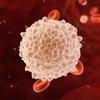


White blood cells, or leukocytes, are an important part of the body's immune system. Your leukocyte count rises when you have an infection, as your body creates more of these cells to fight against viruses, bacteria, and other invading micro-organisms. Various types of white blood cells are continuously produced within the body to keep the immune system strong. Parts of the body that produce and harbor white blood cells are the bone marrow, lymph nodes, spleen and thymus.
Bone Marrow
Most white blood cells are produced in the bone marrow. Types of white blood cells produced within the bone marrow are granulocytes, lymphocytes and monocytes. Granulocytes are white blood cells designed to destroy bacterial invaders. Lymphocytes are white blood cells that include B cells and T cells. B cells target bacteria and toxic substances and T cells destroy virus-infected or cancerous body cells. Monocytes are large white blood cells that consume foreign particles.
Lymph Nodes
The lymphatic system's function is a defensive one. It is part of the immune system and consists of a network of vessels that drain tissue fluid into the lymph nodes. These lymph nodes are filled with two types of white blood cells, T and B lymphocytes. They are produced in the lymph nodes to fight disease and eliminate infection.
Spleen
The spleen performs a variety of functions such as blood filtration, blood storage, blood clotting and the production of red and white blood cells. There are red pulp and white pulp within the organ. The red pulp contains half the body's reserves of monocytes while the white pulp produces white blood cells to continue to support the immune system.
Thymus Gland
The thymus is key to immune response and has a role in developing special lymphocytes called T cells. T cells develop within the thymus after the bone marrow produces these lymphocytes. There they wait until they are activated against disease. T cells regulate immune response and attack infected or abnormal body cells. The thymus also passes lymphocytes into the lymphatic system, which transports them to where they are needed.
References
Writer Bio
Jay Jay Waltz has been writing professionally since 2009, focusing on health, wellness and nutrition. He has written for various online publications. Waltz is a National Academy of Sports Medicine-certified personal trainer while undergoing corrective rehabilitation training. Waltz also holds a Bachelor of Science in public health environmentalism from the Southern Connecticut State University.
Image Credit
blood cells image by Marko Kovacevic from Fotolia.com