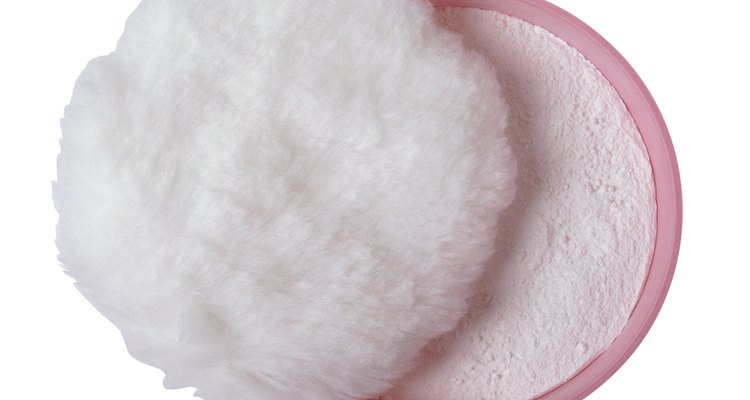
The sensual feeling of a dusting or body powder on clean skin can help make anyone’s day a little bit better. For most people, soap has drying effects, so after a shower, using dusting or body powder can help keep skin soft and fresh feeling. Dusting and body powders come in several varieties, and for the most part, the terms are used interchangeably, though some differences do exist.
Identification
Body and dusting powders are both made from powders, such as starches, flours, or clays, and infused with fragrances to appeal to customers. Though dusting and body powders have traditionally been associated with an older generation, newer, sleeker marketing has made these products appealing to younger people, too.
Benefits
Both body and dusting powders will soak up sweat and keep nooks and crannies dry and clean, especially after a shower. One of the claims for such powders is that they help make skin feel smooth. You can choose what kind of scent you would like, and many independent manufactures now use organic ingredients and real essential oils to entice eco-conscious customers.
Differences
Oftentimes, manufacturers market body powders for medicinal reasons. For instance, one might help cure dry or irritated skin, or another might take care of foot odors or fungus. These usually need to be applied more carefully than dusting powders, which can simply be patted over the skin indiscriminately.
When used for personal care, dusting powder can also be used around the house, particularly on sheets to add softness and pleasant smells to oft-used areas of the house. Check the product’s label to determine where, besides the body, it can be used. Dusting powder usually comes in a short circular bottle that holds a pad or puff to make the dusting easier.
Warning
Search for a body or dusting powder that does not contain talcum, as it can cause significant damage, especially in infants, when inhaled. The label might say talc-free, instead of talcum-free. Because of recent research, most manufacturers have phased out the used of talcum. If you start to experience any symptoms of talcum poisoning, contact Poison Control immediately. Symptoms include affected urine output, diarrhea, vomiting, cough, eye and throat irritation, chest pain, heart convulsions, low blood pressure, changes in breathing, fever, twitching, and lethargy.
Related Articles
How to Make Body Oil Spray

Nivea Q10 Moisturizer Vs. Aveeno ...

How to Use Essential Oils Instead of ...

Is Peppermint Oil Good for Skin Care?

How to Moisturize Hands Without ...
How to Make Your Own Hand Lotion With ...

How to Get Rid of Armpit Smell Using a ...

What Is Hand Salve?

Alternatives to Perfumes
Recipes for Making Body Butters

What to Use in Place of Italian ...

Neutrogena Ingredients

How to Dress for a Customer Service Job

The Effects of Poor Personal Hygiene
Neem Bark Benefits
How to Use Body Spray

Difference Between Body Spray & ...
What Is the Purpose of Cologne?

How Long After Shaving Do You Develop ...
Allergies to Bare Escentuals
References
Writer Bio
Katie Tonarely started writing professionally in 2008. Her work appears in the Springfield "News-Leader" and she provides consumer-related content for various websites. Tonarely received a Bachelor of Arts in English education with a minor in journalism from Evangel University in Springfield, Mo.
Photo Credits
Stockbyte/Stockbyte/Getty Images