

Installation Tips for Adjustable Curtain Rods

Adjustable curtain rods allow you to hang curtains on almost any size window. Curtain rods come in a variety of colors and styles, making finding the right rod for your window a breeze. While installing adjustable curtain rods may seem straightforward, there are a few things to keep in mind as you get started.
Measure the Window
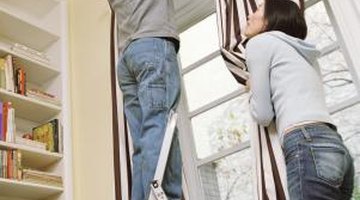
Take accurate measurements of the window on which the rod will be mounted. Measure the length of the window as well as the width. Curtains come in a variety of lengths, so the rod must be hung at the correct height for the curtain length used.
Mount the Brackets
Most curtain rod sets come with the hardware needed to mount the brackets to the wall. Use the right type of wall anchor for the type of wall in your home. The weight of the curtains that will hang on the rod are also a consideration.
Secure the Rod
Most brackets that come with curtain rods contain a small screw that is used to secure the rod in place. Tighten these screws against the rod to ensure the rod doesn't slide back and forth in the brackets.
Writer Bio
Megan Lawless is a freelance writer based in Chicago. She holds a Master of Business Administration in marketing communications from DePaul University. She currently works as a marketing consultant in the legal profession. Lawless has had articles published on eHow.com.
Photo Credits
- Bruce Laurance/Digital Vision/Getty Images
More Articles

