How Does a Bullet Work?

  1. What is a bullet?

    • A bullet is the projectile shot by a firearm. Typically these are made of iron or lead, but some non-lethal varieties are made from plastic or rubber. Bullets are commonly designated by two different types of measurements, calibre (referring to the width of the gun´s bore) or a millimeter measurement (refering to the width of the base of the bullet), and are sometimes used interchangeably. For example, the rifle bullets in .223 and .308 calibre are the same bullets as the 5.56mm and 7.62mm.

    Cartridges

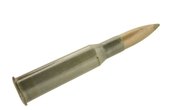
    • In modern firearms, all bullets come as part of a cartridge. Sometimes also called a "round," the cartridge is the combination of the bullet, the propellant, the propellant casing and the firing cap. The bullet itself is placed atop a brass casing that houses the propellant powder, and at the base of the cartridge is the firing cap.

    How a Bullet is Fired

    • There is a wide variety of loading mechanisms in modern firearms, but all but the most experimental bullets are fired the same way. When the trigger is pulled, the firing pin penetrates the firing cap at the base of the cartridge, sending a spark into the propellant and igniting it. The resulting explosion drives the bullet down and out of the barrel at high speed. Rifling in the barrel imparts a spin on the bullet, giving it greater stability in flight.

    Impact

    • Bullets do damage by imparting their kinetic energy onto the target. A large, heavy bullet traveling at high speed will do more damage than a small, light bullet traveling more slowly. This is why the mammoth .50 calibre round does substantially greater damage than the .45 calibre pistol round. Although the bore widths are similar, the .50 calibre round is a gigantic bullet propelled by a lot of propellant. Although large for a pistol round, the .45 calibre bullet is not as big and propelled by a much smaller charge. However, some bullets are designed to do greater damage to "soft targets" (human flesh and bone). The 5.56mm round of the M-16 rifle was designed to tumble in flight, thereby tearing the target up. "Dum dum" bullets have been cut so as to increase the chances of the bullet breaking apart on impact, causing a messier wound.

Related Searches:

Comments

You May Also Like

  • How to Add a Bullet in Excel

    Using bullets in Microsoft Excel is a very useful feature, but it's not obvious how to do this in the program. This...

  • How to Dodge Bullets

    Dodging a bullet is not just a trick for the movies. You can avoid a bullet--although it's hoped you will never have...

  • How to Make a Homemade Bullet Trap

    When a session of target practice is finished you are left with the job of extracting the shots fired from whatever is...

  • How Does a Water-cooled Machine Gun Work?

    History in general will peg the machine gun as one of the most influential technology inventions, particularly in the area of warfare....

  • How do I Polish Bullet Mold?

    Gun enthusiasts often enjoy the craft that goes into gunsmithing and bullet-making as much as using the firearms themselves. One of the...

  • How to Use Bullets in Lists on a Research Paper

    In research papers and other documents, a bullet refers to a mark that's used to differentiate items in a list. Usually this...

  • How to Make Cast Pistol Bullets

    Gunmen can cast solid lead pistol bullets with a minimum of equipment and supplies. Bullet casting is often done by muzzle loading...

  • What Happens When a Bullet Fires?

    The firing of a bullet from a gun is the result of a series of mechanical and chemical processes. The bullet itself...

  • How to Cast Metal Bullets

    Before assembly lines were invented, a gunsmith made each gun as a unique and separate entity. Often bullets would fit a gun...

  • How to Make Bullet Proof Glass

    Bullet-resistant glass, commonly known as bullet proof glass, is nevertheless extremely resistant to impact. However, a usable thickness of bullet-resistant glass ...

  • HTML Bullets Tutorial

    Usually, when you see "bullets" on the web, you think tiny solid dots. While it's true that using <UL> is the easiest...

  • Lead Bullet Casting Safety

    One method of cutting down on the costs of practicing with your firearm is to cast your own ammunition. The cost of...

  • Snuff Bullet Instructions

    Nasal snuff is a traditional method of consuming tobacco that fell out of fashion in the Western hemisphere in the late 19th...

  • How to Make the Best Paper Bullets

    If you go on the Internet and do a search for how to make a paper gun, your results will include websites...

  • How to Treat a bullet wound

    Should you or a companion be injured in a shooting, whether as the result of a hunting accident or as the victim...

  • How to Dispose Ammunition

    You can keep ammunition as long as you have a license for it. Often the corresponding state department will need a good...

  • The Economic Advantage of Casting Bullets: How to Make Your Own Ammunition

    Learn the economic benefits and advantages of making or casting your own bullets in this free how-to video on how to cast...

  • What Does a Crime Lab Tech Do?

    Crime laboratory technicians play an integral role in the criminal justice system. Alternatively called forensic science technicians and less often police science...

  • How to Photograph a Bullet Casing

    Bullet casings, like any other small subject, are best photographed with a macro lens and in a light tent. The fine details...

Related Ads

Featured