
What Is HUD?
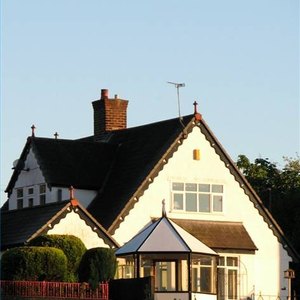
The Housing and Urban Development Department, otherwise known as HUD, is a government agency that helps homebuyers and homeowners. They operate the Federal Housing Administration (FHA), which provides federal-backed mortgage insurance to many people who are purchasing properties. When properties with FHA backing go into foreclosure and are not sold through a short sale or the state's foreclosure auction proceedings, HUD will buy the property from the lender, as agreed upon through the FHA insurance contract on the loan. The properties are then sold through approved real estate agents, who typically sell them to owner-occupants versus investors. If the property does not sell to an owner-occupant within a set period of time, the listing will be opened to investors.
Finding and Inspecting Properties
Find a real estate agent who is registered with HUD. Then search the HUD website (which is updated every Wednesday) for available properties. If you find a property of interest, the next step is to see it in person. Because they are foreclosures, some HUD properties need repairs. The homes are sold as is, meaning without any home warranty.
No repairs will be made before the property is sold. If the price is low enough, this isn't necessarily a problem, but you should know what you are purchasing before you submit a bid. Have your real estate agent schedule a showing, and consider having the house inspected. You will have to pay for the inspection yourself, but it will save you from potentially buying a home that has serious structural flaws. If the house needs major repairs, you can get a loan through FHA that allows you to finance some of the repairs along with the purchase price itself.
Submitting Your Bid
HUD homes are not sold in a traditional auction format, but if the property receives multiple offers, it will likely be sold to the highest offer. Because of this, offers are sometimes referred to as "bids." Anyone who has approval for a loan or access to cash can bid on a HUD home, but the actual offer and contract must be made through an agent. If HUD accepts the initial bid on a property, the buyer has two days to submit a contract, which the real estate agent will assist with. The contract must include a minimum $500 deposit unless otherwise stated. Once the contract is received, the sale must be completed within 60 days. HUD will pay the agent's commission, as outlined in the submitted contract.
Typically, HUD homes are vacant, so the new owner can move in soon after the closing is complete.
Writer Bio
Nicole Harms has been writing professionally since 2006, specializing in real estate, finance and travel. When she's not writing, she enjoys traveling and has visited several countries, including Israel, Spain, France and Guam. Harms received a Bachelor of Science in Education from Maranatha Baptist Bible College.