Ornamental grasses are clump-forming plants that die out in the center as they grow larger. Removing the plant from the garden allows you to cut out the center area without damaging the plant’s healthy areas. Cutting the plant into smaller sections is a propagation method, so you can add this grass variety to other parts of the garden or replant it in the same area. Dig out the middle area of ornamental grasses every 3 to 5 years, or as needed keeps the plant productive and healthy.
The uses of ornamental grass beds are only limited by a gardener's imagination. This group of plants, which belongs to the Poaceae family, grows in a wide variety of shapes, sizes and colors, and these plants are classified as clumping (growing in non-spreading mounds) or running (spreading by underground rhizomes). Cool-season grasses grow most in spring and fall and lie dormant in summer, while warm-season grasses thrive in hot weather. Regardless of classification, all ornamental grasses add movement and rustling sound to the landscape with each passing breeze.
Bird-friendly habitats provide food, water, shelter and nesting materials for birds. Ornamental grasses fulfill all these needs. True grasses, sedges, rushes and bamboos are all considered ornamental grasses, according to the Colorado State University Extension website. Birds eat grass seeds; they use grass leaves and flower fluff as nesting materials; and they seek shelter from weather and predators in grassy clumps. Some ornamental grasses hold water in their leaf axils, which provide drinking water for birds.
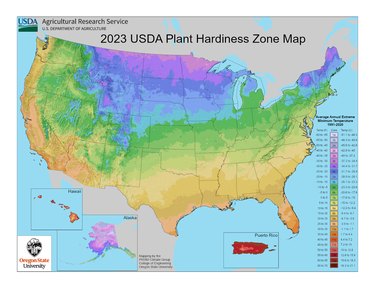
Ornamental grasses make subtle, low-maintenance companions for fragrant, showy roses. Their fibrous root systems don’t compete with rose roots for nutrients and moisture. Ornamental grasses grow to a predictable size, so they won't surprise you by overtaking your flowers. Roses thrive in well-drained sites that consist of rich, loamy soil and receive at least six hours of sun daily. Choose grasses with similar needs and U.S. Department of Agriculture hardiness zone rating. Plant taller species where they won’t shade your roses.
Gardening in the mountains presents a range of challenges. Mountain climates experience shorter growing seasons, cooler nights, earlier frosts and later thaws than lower areas; many regions also experience high winds. Mountain soil tends to be rocky and dry or heavy and clay-like. To thrive at altitudes above 7,000 feet, ornamental grasses must be cold-hardy, wind- and drought-tolerant and able to thrive in a range of less-than-optimal soils.
Ornamental grasses are virtually maintenance-free, inexpensive plants that add color, texture and movement to the yard. With hundreds of ornamental grass species and cultivars that vary in size, color and habit, ornamental grasses fit gracefully into any size yard and thrive in most climates and soils. Ornamental grasses suffer almost no insect or disease problems, though they may occasionally contract fungal infections. Keep the ground around the grasses free of weeds and plant debris to help stave off infections. Fungicides can help treat or prevent fungal infections of ornamental grasses.
Ornamental grasses evergreens can make great landscaping additions to your yard. Landscape with ornamental grasses and evergreens and with help from a landscape designer and horticulture writer in this free video clip.
Millet is cereal grass grown mainly for its grains or even used as an ingredient in some beer. Ornamental millet is becoming a garden attraction due to its colorful, cattail-like flower spikes and potential 3 1/2-foot height. It comes in many varieties, such as Purple Majesty and Jade Princess, with Purple Baron being a particularly eye-catching type of purple-leaf ornamental millet. Growing this plant is not difficult -- if you've ever spilled seed from your bird feeder, you may have even grown millet before accidentally.
Most plants grow upright, sending their branches and stems toward the sun. A few plants, however, extend their stems horizontally along the earth's surface, rooting occasionally to anchor themselves. Horticulturists call these plants creepers, and they can be herbaceous plants, like annuals and perennials, or woody plants like shrubs and vines. Lawn grass is the most familiar creeping plant, but many other creepers make good garden plants.
Unlike traditional lawn grasses, ornamental grasses are used in landscaping solely because of their attractive appearance. They are available in many different species, so they come in various sizes, shapes, colors and textures. If you are redesigning your landscape, you may want to consider adding some ornamental grasses to your lawn. These grasses have many advantages over traditional landscaping plants and grasses, and are ideal for adding a wild, natural look to your landscape.
If you've ever touched the glossy leaves of a shopping mall atrium plant to determine if it was real or plastic, odds are that plant was an ornamental fig (Ficus). Prized for their glossy, leathery leaves, ornamental figs are hardy, tropical plants that lend an exotic aura to any decor. Some of the most trouble-free species to grow as houseplants are the weeping fig (Ficus benjamina), India rubber tree (Ficus elastica), the relatively new Ficus alii, creeping fig (Ficus pumila) and fiddle-leaf fig (Ficus lyrata). Ornamental figs are relatively easy to grow from seed, given proper light, water, fertilizer and…
The term "ornamental hops" typically refers to the female species of Humulus lupulus (the common hop), known as Humulus lupus 'Aureus.' Female hop plants produce more colorful blossoms, cones and foliage than males. Humulus lupus 'Aureus' is especially striking, with serrated leaves in shades of chartreuse. The pine-scented cone, or hop, that grows on the vine attracts butterflies, adds visual interest to the vine and is used in the process of brewing beer. Ornamental hops can be grown in USDA growing zones three to eight. This is a fast-growing perennial vine that commonly reaches more than 20 feet tall.
The grass family, Poaceae, is among the largest of plant taxonomic groups and includes species known as lawn, bamboo, grain and ornamental grasses. Ornamental grasses display attractive leaves or seed plumes and gardeners use them just like perennials, providing color and textural interest in mixed plantings or in meadows. Grasses develop fibrous root systems that spread out to encounter water and nutrients. The size and depth of the root system varies among species as well as to the soil conditions in which they grow.
Homeowners want a lawn they can be proud of, but don't want to wait weeks or months for the grass to grow. Fall is the perfect time to plant cool-season grasses that will quickly turn into a green, lush blanket of grass. Depending on how much care you are willing to devote to your lawn, there are several varieties of cool-season grass to choose from. All will quickly provide a beautiful, green lawn.
Lemongrass is a wonderful culinary, medicinal and ornamental plant that can grow in a variety of drought tolerant conditions. Grow lemon grass seeds with help from a registered herbalist in this free video clip.
Gourds have always played a prominent utilitarian role in human history. During the 1800s, gourds held such importance to the locals that they became the country's monetary currency, according to University of Arizona. The ornamental garden gourd produces a shell that hardens when it dries. Non-edible, the hollow gourds, make popular craft projects such as bowls, birdhouses, musical instruments and carving specimens. All ornamental gourds fall into the Cucurbitaceae (Cucurbit) family; within the family exists two distinct groups, the Cucurbita genus and the Lagenaria genus.
Want to try juicing grass for health benefits or dietary reasons? While different grasses are available, from oat to spelt, barley and wheatgrass are the most frequently juiced by far. Wheatgrass in particular is regarded as a powerful detoxifier in holistic circles. Juiced grasses are common at many juice bars, or you can easily grow your own at home.
Ornamental grasses continue to gain popularity among homeowners who want a low-maintenance landscape. Their hardiness and easy care, combined with the dramatic effect of colors, textures and sizes, make them an excellent choice for any landscape style. Ornamental grass refers to any plant with a grasslike appearance. The low-growing grasses double as ground cover in the landscape. If you are looking for low-growing ornamental grasses, you have many from which to choose.
Shell ginger is the common name for Alpinia zerumbet, an evergreen perennial that originates from eastern Asia. It grows to 10 feet in height in tropical climates, although it typically reaches only 4 feet as a houseplant. Home gardeners value shell ginger as a container plant and for its white or pink flowers with a funnel shape.
Florida, called the "land of flowers" by its first Spanish explorers, is noted for its lush displays of flowering plants all year long. From the cooler, northern sections of the state down through the Keys, residents and visitors alike are treated to wide variety of specimens. There are literally thousands of colorful plants from which to choose when planning a garden or landscaping project.
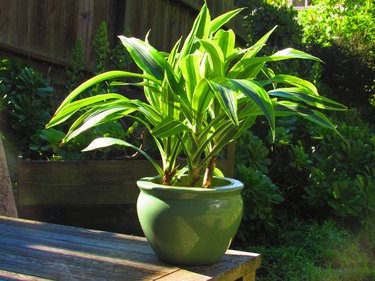
Green plants are an attractive addition to any indoor space. They are also functional. Plants provide oxygen and some even clean the air, according to the University of Minnesota Extension. The bamboo palm, which is an ornamental grass, is one such plant that filters pollution from the air. Grasses, in fact, make excellent indoor plants. They are generally hardy, easy to grow in containers and come in a range of textures, shapes and variegation.
Hurricanes uproot trees and strip hedges of their leaves. Plants are wrapped against the winter chill. The soil is sandy. The air is salty. Welcome to the challenges of creating a successful Florida landscape. Temperatures in all four Florida planting zones vary. But with the overall tropical climate, spurts of rain that fall for a few minutes every day in most seasons, the constant sun and timed irrigation available for homes, planting a lush, wildly colorful garden is achievable. The key is to use trees, plants and flowers that are native to the state.
Grass that grows indoors is frequently sold as "cat grass," designed for cats to nibble on so they don't nibble on houseplants, which can be toxic. The seed packets for cat grass usually contain fast-growing grains such as rye, oats, barley or wheat. Outdoor grass seed for lawns can be used for pots indoors, as well. Although, if you have cats, don't choose outdoor grass seed for them -- it is too sharp.
Ornamental grasses are most valuable for their ability to add texture to any landscape. They can also be quite colorful, with striped or solid-colored foliage ranging from bright green to silvery-blue. Many are also hardy, requiring only minimal care. Some are stunning, such as pampas grass, towering 12 or more feet into the sky. Others are low-growing and make excellent border plants.
Deer are found in all the contiguous 48 American states. The animals are often a nuisance in landscapes and gardens, where they feed on nearly all kinds of vegetation. There are, however, certain plants that deer avoid, and these include ornamental grasses.
Thirty species of horsetail plants comprise the Equisetaceae family, and each species belongs to one of two basic forms that currently exist: a hollow, leafless and jointed variety known as scouring rush; and the slender, green whorl-branched variety that resembles a horse's tail. Often found in saturated areas, horsetail reeds are made up of several segmented, vertically growing green tubes that can also grow well in drier areas once the plant has established itself.
Ornamental grasses are a popular feature in Indiana landscape given their low maintenance and wide variety of shapes, sizes, color and textures. The majority of ornamental grasses used in landscapes are either clump-forming or bunch grasses. Bunch grasses have a relative slower growth rate. The Purdue University Cooperative Extension site lists a number of ornamental grasses that are well adapted to growing in Indiana.
Some uses for ornamental grasses include for stand-alone planting such as like driveway ends and to put at house corners. Ornamental grass can be put in a meadow or a tree-line. Ornamental grasses are a lovely addition to put in a landscape. Getting fast-growing ornamental grasses will give you a mature plant at a much faster rate.
With Florida's sun, salt and droughtlike conditions, growing ornamental grasses provides an opportunity to spice up your yard without a lot of extra trouble to keep the plants alive. Low-growing grasses in particular work well for smaller landscapes or spaces where you want a more compact plant. The grass family itself (Poaceae) contains over 9,000 species, giving you a multitude of choices when it comes to planting low-growing ornamental grasses in Florida.
Ornamental grass makes an attractive addition to the interior of the home. Plant grass with other ornamental plants to create a container rich with different textures. Use grass types like fountain grass, bronze sedge and feather reed grass. Be cautious of using the ornamental grass in the yard. Inspect the grass before transferring it indoors for pests and fungal diseases that can harm your household plants. Grow ornamental grass indoors for a striking focal point to your home garden
Tall ornamental grasses provide a whole new selection of plants to use in the landscape. Their long, narrow leaves come in an array of greens, fading to golds and browns in the winter. The dimension they add to the yard is the movement during a breeze, coupled with the swishing sounds. Most of the approximately 100 varieties of ornamental grasses prefer full sun. Finding the specific tall grass to grow in a shady or partly shady site requires more effort in the selection process, but it can be done.
Growing ornamental grass in the home can add a touch of the exotic to a dull landscape. It requires a little maintenance and know-how compared to some house plants. Learning the basics of grass care will help you keep the freshest grass
Ornamental grasses grow well in containers because they require very little maintenance. Most ornamental grasses are very easy to grow in containers, as long as you choose the right grass and care for it properly. They can grow in poor soil, which is often a problem with container plants. Ornamental grasses in containers also are easy to move around to highlight other plants.
Grow ornamental grass from seed by collecting the seeds of the grass and planting them in the spring or fall, just as one would plant regular grass. Plant mondo grass, flax grass, Mexican feather grass or bamboo from the seed with tips from a sustainable gardener in this free video on growing grass.
Ornamental grass adds texture and visual interest to any landscape. Miniature varieties are attractive tucked into flower beds to add contrast and depth with their richly colored leaves and blooms. Large varieties, growing to a height of 15 feet or more, make a dramatic backdrop or can be used on hillsides or in ditches where other plants will not grow. Easy to start and virtually maintenance-free once established, ornamental grass returns year after year with its striking foliage and unusual blooms.
Ornamental Cotton is fun and easy to grow in ordinary garden soil. This cute plant is sure to be the talk of your neighborhood and will have your gardening friends begging for some seed of their own. Although you won't be able to use the cotton for fabric, these tiny tufts of white fluff can be used in crafts and other decorative projects.
Many species of ornamental gingers exist, but the Alpinia variety is among the most common and stunningly beautiful of tropical flowers and foliage as well. From the startling red ginger to the subtle shell ginger, these attractive plants are easy to grow in home landscapes in tropical and semi-tropical areas. If you live in a temperate climate such as the southern United States, you can grow gingers in large decorative pots outdoors in the summertime when they bloom and then move them indoors to protect them from cooler weather and frost in the fall and winter months.
With nearly 400 ornamental allium species to choose from, it's easy to find one that fits into any garden. Allium is a member of the same family as garlic, onions and chives but the tufted flowers that sit atop leafless stems give no hint of their cousins. When crushed the resemblance is noticeable; but these sun loving blooms resemble lollipops and are available in a variety of cheerful colors. Read on to learn more.