Johnson grass (Sorghum halepense) was introduced as a forage food for livestock to the United States in 1830 from the Mediterranean area. In some regions it is known as Aleppo grass or Aleppo-millet grass. Johnson grass has become an invasive plant that reduces yields of farm crops, and crowds out valuable native plant species. Home gardeners are encouraged to eradicate it quickly if it gets started.
Growing grass, though typically achieved using only soil, can be grown with pebbles for a decorative and useful touch. Though grass roots will adhere to pebbles, a small amount of soil is required to provide the grass with essential nutrients. Pebbles used in container gardening help lessen upkeep as the drainage provided by pebbles helps maintain optimal moisture levels for roots. Clear glass containers or trays create a distinctive decorating look with the pebbles layers visible under the grass. Buy pebbles or find them outdoors a cost effective approach to indoor gardening.
Zoya grass, also known as zoysiagrasses, is prized for its dense, slow-growing properties. This sod is hardy and adaptable, capable of withstanding cold temperatures and cold weather. Growing zoya grass is labor-intensive and requires a long process of planting plugs of sod to establish the lawn and frequent fertilizing. Although establishing a zoya lawn is a high-maintenance proposition, with time and patience, you can have a plush, thick lawn.
In spite of its name, broomsedge is actually not a sedge at all, but a perennial grass. Most common in the Southwest, the region to which it is native, broomsedge can often be seen in fields, along roadsides and in openings to forests. Broomsedge is considered an undesirable plant in backyards and farm pastures, and a number of ways are available to control this plant.
Many homeowners seek ways to grow a lawn in areas that are not hospitable to large areas of grass. Soils with a high alkaline content, or high pH, literally burn away grass roots. Alkaline soils that are also low in nitrogen fail to give grass a nutrient critical to greening and growth. Planting grasses already adapted to high pH and low nitrogen maximizes your chances of growing a good lawn.
Timothy grass is an important part of the diet of many domesticated animals. It can be fed to horses, cows, guinea pigs and other animals kept as pets or livestock. Usually timothy grass is cut and dried to make timothy hay. You can also grow timothy grass to feed as a dust- and mess-free alternative to hay for your indoor pets. It requires well drained, sandy loam soil to thrive and must be watered frequently throughout the growing cycle.
Excessive moisture is hard on a horse’s hooves. It softens them, making them vulnerable to bacterial invasion, causing scabs, inflammation, cracking and splitting. Wet, muddy pastures also make a horse susceptible to thrush, a fungal disease of the hooves. Good pasture management includes keeping livestock in pastures with at least 3 inches of vegetation and firm, not soggy, soil. Sometimes reseeding a muddy pasture by spreading 5 to 10 pounds of grass seed over it in the fall is sufficient. Otherwise, a complete renovation is necessary.
Crushed decomposed granite is a natural material used for walks, patios and driveways. Water permeable, it is the surface of choice for both eco- and budget-conscious homeowners. Occasionally, however, grass and weeds sprout in even firmly compacted gravel. While annoying, the grass is easily dealt with if you take quick action using one of several methods.
Growing grass is not easy and growing it on a hillside may be a bit harder depending on the slope. While starting a lawn from plugs or sod provides more immediate results, growing grass from seed is the least expensive for the average homeowner. However, you need to incorporate some extra measures to prevent the seeds and young seedlings from washing away down the hill.
Growing a healthy lawn in regions where it snows presents a specific set of challenges. The first step is to select and plant cold hardy grasses. Once the lawn is established, providing it with the proper care in late fall impacts how the grass will fare over the winter. Identifying and reseeding problem areas in spring after the snow melts keeps lawns healthy.
Growing ornamental grasses in attractive pots and containers on tables in your home gives you a long lasting natural display for your table in lieu of cut flowers, which usually fade in a matter of days. The Colorado State University Extension notes that grasses are easy to take care of, highly adaptable and they can often tolerate poor soil better than other plants.
Lawn grass is one of the most common groundcovers in residential landscapes, as well as parks and sporting fields. Although this ordinary variety of plant appears just about everywhere you look, it tends to resist growing in heavy, hard soils. Compacted, dense soil requires special preparation to provide the necessary elements for establishing a successful lawn.
Fairway grass is golf course grass. Specifically, it is the section of the golf course between a tee and the green, where the grass is mowed short. Bermudagrass is one species that is widely used as ground cover on golf courses. The warm-season African native is resilient and recovers well from high traffic. It requires full sun and winter temperatures above 10 F. The “U-3” bermudagrass variety is used for golf courses and homes. It grows from seed -- an inexpensive way of starting a new lawn.
Timothy grass, which has the scientific name of Phleum pretense, is a cool-season grass that thrives in the early spring and the again in the fall once temperatures moderate. Although growers typically plant it in fields for herds or as a crop, you can also plant it in containers as an ornamental grass. At maturity, Timothy grass reaches 30 inches tall and develops furry seed pods at the top of tall stalks.
A muddy yard is a sign of underlining soil problems such as compaction, poor drainage or thinning grass. When soil cannot drain properly, water pools on top of the yard and creates messy muddy areas. To get grass to grow, gardeners must improve their soil's draining abilities. Furthermore, encouraging thick dense grass growth will promote enough grass roots to suck up the excess water. Left untreated, muddy yards become a hospitable environment for diseases that thrive in moist conditions.
Bad soil has problems with drainage, fertility and air flow. Planting grass on bad soil is a recipe for fungal diseases and pest infestation. Lawn diseases, such as brown spot, thrive in moist environments with little air flow, which stimulates fungal spore germination and spread. It is important for gardeners to fix their soil and start off on the right foot when planting grass. Time, money and effort is wasted when the soil isn't conducive to growing thick lush grass.
Hamsters need fresh food every single day in the form of delicious hamster pellets and leafy green vegetables. Instead of worrying about mixing your hamster a little veggie concoction every day, another option is to merely grow a tiny grass garden and put it in your hamster's cage. This way your hamster can play, dig and eat at its own pace. In addition, it will never run out of green vegetables, and you will not have to worry about anything else except for providing some pellets.
Red mud is the product of soil that is high in red clay content. The clay reduces pore space between the soil particles, making it compact and difficult for water to drain through. To grow grass in that sort of soil, you will need to increase drainage by incorporating organic matter into the soil. This also increases the nutrient level of the soil. If the mud is always present after rain, a simple drainage pipe installed under the surface will fix that problem.
When you plan your exterior landscaping projects, you want to get finished results as quickly as possible. The common misconception is that it can take weeks, possibly even months, for a newly seeded lawn to grow in. But with the proper tools and procedures, you can get your new lawn grown in and ready to be mowed in two weeks.
Seagrass grows in tropical waters, bordering the Florida coastal areas and lagoons, the Florida Bay, the Tarpon Springs and the Apalachee Bay in the United States. Approximately 52 species of seagrass exist around the world, seven of which are located in Florida's marine waters and extend beyond its borders. This specimen has grown over 2.2 million acres of seawater and helps produce sea life by trapping sediment and particles in its leaves while stabilizing the seafloor with its roots and providing food and shelter for marine animals.
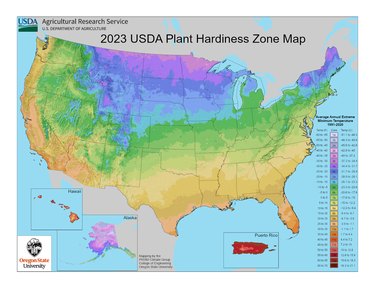
Chrysopogon zizanioides, commonly known as vetiver, is a clumping, perennial grass used as an ornamental grass in USDA Plant Hardiness zones 8 through 11. The attractive tropical-looking grass features blue-green blades that bend over sharply at the ends. Vetiver grass is also known for its fragrant roots that are used to make potpourri and essential oils. Vetiver grass is a beautiful plant that grows with little difficulty.
Yaku Jima (Miscanthus sinensis "Yaku Jima") is a maiden grass dwarf variety. An arching ornamental grass, it requires full sun and is drought tolerant once established. Yaku Jima brings texture and grace to the small garden with its coppery plumes in the summer, turning silver in winter. Yaku Jima grows to a height of 3 to 4 feet with an equal spread and thrives in U.S. Department of Agriculture plant hardiness zones 5a through 9b.
Moist growing conditions do not deter the development of many types of grasses. Often used for such ornamental landscaping tasks as creating property borders or for growing in the damp naturalized areas of your property, these grasses display varying degrees of tolerance to cold climates, but nearly all perform well in warmer ones. Among those types able to thrive where the ground is moist are switch grasses, fountain grasses, reed grasses and other species.
Grass isn't meant to grow in the desert. Desert communities -- where water is at a premium -- are generally under water restrictions, and lawns use more water than any other landscape feature. Many newcomers to the Sonoran and Mojave deserts miss the green grass of home and spend a fortune trying to recreate their old bare-feet-friendly landscapes. If you must plant grass in the desert, sand provides a good base, as it drains quickly. It dries quickly as well, so you need to amend it prior to planting the grass.
Turfgrass is commonly grown on sand, especially in play fields. The sand gives a firm base that drains well and can be spread to a level surface. Sand is nutrient poor and requires the addition of some organic material. The best mix for a turf zone is a half and half blend of sand and rich soil. The benefits of using high levels of sand in the turf zone also include minimizing pathogens. Fungi, bacteria and other disease-causing organisms require organic material as fuel. Sand is limited in its fertility and has little organic matter that can reduce the incidence…
Many questions can pop into your head regarding your lawn. You may wonder about its irrigation needs during the summer months, or common weeds and how to get rid of them. A question that may not initially cross your mind is when grass grows during the day. The answer is quite simple. Grass grows at all times of the day or not at all. The deciding factor in growth is average temperature.
Just as ivy growing on a wall illicits a cottage or country feel, the same is true of grass growing on brick. It's an ideal way to add a soft feel to a hardscape. But because brick is a porous surface, it makes it practically impossible for true grass to grow on the surface. However, there are some look-alike products that will give the appearance of grass.
Grass is similar to most plants. It requires proper sunlight, well-drained soil, carbon dioxide and water to grow properly. Grass uses a process called photosynthesis, which uses sunlight, water and carbon dioxide to create sugar. This sugar is used to create energy within the plant, which makes it grow both in cell division and cell expansion. Water is a necessary liquid needed for growing grass and cannot be substituted.
Dark green, clumping grasses add color, texture and movement to the landscape. Ornamental grasses both offer versatility and require little maintenance when compared to many other ornamental plants. Once established, many grasses require little fertilization and, as clumping species grow to a maximum size and don't usually spread, don't need pruning. Use these grasses to beautify your landscape and help prevent soil erosion and run-off.
Three different factors contribute to full looking turf: turf density, leaf texture and growing characteristic. Turf density refers to the number of leaves per an area. Leaf texture is a measurement of the width of the grass blade. The growing characteristic refers to how a grass spreads across the lawn.
All plants, including grass, rely heavily on the element nitrogen. Every living cell contains nitrogen. Nitrogen is essential for the production of proteins and enzymes and for photosynthesis. Grass depends on nitrogen for healthy growth and its bright green color. The atmosphere is 78 percent nitrogen. Grasses are unable to process the nitrogen in the air. Lightning plays an important role in the cycle that changes atmospheric nitrogen into plant-usable nitrogen.
Roots growing in the grass pose a tripping hazard, make mowing difficult and are unsightly. The roots of other species are also sucking important nutrients from the soil that should be available to the grass. Wisteria is a tenacious vine with extensive roots, and magnolia trees may have large, thick surface roots. Deciding what method to use for killing roots hinges on whether you wish to keep the wisteria or magnolia. You can grind the roots or poison them, but a safer yet time-consuming alternative is digging.
The dandelion illustrates the idea that weeds are merely misplaced plants. Despised by U.S. homeowners for its tendency to pop up -- and spread -- throughout lovingly tended lawns, dandelion is a low-growing perennial in its native Europe, prized for its culinary and medicinal properties. Dandelion doesn't need turfgrass to thrive. In fact it grows better without the competition. It gets established in suburban lawns because that's often where the sun is -- and dandelions require full sun.
Grass in your home can serve a few different functions, depending on with whom you share your home. A furry friend in your house will benefit from being able to munch on fresh grass in the middle of winter. Even if you live alone or only with fellow humans, growing grass in containers is a simple way to bring a little bit of spring into your home all year long.
Some types of grasses are suited to dry areas or sandy sites, but it can be difficult to find a grass that can withstand both because such conditions stress plants that are not well-adapted. To start your search, look for grasses that are suited to growing in regions where soils contain a large percentage of sand, such as coastal and desert areas, and for grasses listed as drought-tolerant.
Tall grasses serve as a refuge for animals and insects in lake areas. Many tall grasses grow on the lake's edge, while some are emergent, or plants with underwater root systems that rise above the water's surface. In North America, however, some tall grasses face the danger of being choked out by invasive tall grasses, or non-native grasses.
Many different types of grass exist in the world and only a few are used for lawns. Species vary in shade, texture, maximum height and even speed of growth. In fact, several species of grass are very fast growers, including bamboo, which is currently the fastest-growing member of the grass family.
Many industries use Douglas fir trees (Pseudotsuga menziesii), including the railroad, the telephone company and those selling Christmas trees. Additionally, Native Americans brewed the bark and needles for tea, used the resin on cuts, and wove the roots into baskets. When a logging company harvests its crop of trees, it needs to replant the acreage with seedlings. Successfully transplanting 1,000 Douglas fir seedlings depends on properly spacing them.
Rocky soils are difficult to cover over with vegetation. The uneven surface, poor depth and variable soil conditions require the installation of highly adaptable vegetation. Choosing turf or ornamental grass suited for the location is vital in preventing soil erosion, moss and unwanted weedy growth. Fortunately there are grasses that have naturally adapted to these conditions.
Many types of grasses not only tolerate sandy sites and soils, they thrive in them. In most cases, these grasses are regional natives, ones that have become accustomed to harsh growing conditions over time. Grasses suited to sand are available for wet and dry areas and warm and cool seasons.
Soil is a complex matrix of mineral particles, organic matter, microorganisms, water and air. When changes are made to one or more of its components, the soil's pH balance can change. Other materials, including cedar chips, affect soil's makeup at a much lower level than other amendments, such as lime and sulfur, which are normally used to adjust pH levels.
Most grass types prefer growing in shady locations with at least six to eight hours of sunlight. However, certain cool- and-warm season grass varieties grow in shade. Soil's pH under the maple is another factor. Maples grow in a soil pH between 4.4 and 7.5, while grass typically grows in a range of 6.0 and 7.0. Check the soil's pH and consider other factors when planting grass under maple trees.
Cedar trees grow naturally in many parts of the country and have specific soil needs to grow. These towering evergreens make impressive additions to your yard and landscape. In some cases, little else grows beneath the towering canopies as the falling leaves can affect the pH of soil under cedar trees. Learning about the different soil requirements for the different cedar trees can help you decide what to plant beneath the trees.
On a yearly basis, one in six Americans experiences a food-borne illness, according to the Centers for Disease Control. Since these illnesses are caused by various bacteria introduced into the kitchen preparation area, consumers are cautiously evaluating their preparation methodology and equipment. Wooden utensils can be of particular concern. Despite their durability, resilience and natural beauty, wood-based materials in a kitchen environment pose several dangers.
Choosing the right type of grass for hot shade is imperative when establishing a dense-looking turf. Centipede or Bahia varieties fair poorly when the grass blade receives less than 6 to 8 hours of sunlight. Perennial ryegrass grows in moderate temperatures, but not hot temperatures, either, according to the University of California.
Numerous fungal diseases damage lawns, such as powdery mildew, leaf spot, melting out, fairy rings, slime mold, summer patch, rust, stripe smut and fusarium blight. While certain types of fungal diseases may require fungicide treatments, all must be treated through proper cultural practices.
Black dirt is commonly referred to as topsoil. Topsoil is the uppermost layer of earth composed over millions of years of climatic action on the rock in soil. The resulting chemical reactions decay organic material creating a soil texture that is well draining, porous and highly fertile. Topsoil or black dirt is considered optimal for plant health. The recommendations for black dirt depth differ for plants and grass.
The pink ginger, or alpinia purpurata, is a herbaceous evergreen that is also referred to as red ginger. This vibrantly colored plant produces rich green foliage with bright red- and pink-colored bracts and small white flowers. A vigorous grower, the healthy pink ginger can reach mature heights up to 15 feet with about a 4-inch spread.
Having a lush, grassy lawn that isn't plagued with weeds and other problems looks a lot easier than it is. Grass is prone to a number of issues, including too little sunlight. Some varieties need a lot of sun, but not all yards have full sunlight everywhere in the yard. If your lawn is shaded, choose a grass that doesn't need full sunlight. Carpet grass has two varieties, one of which is very shade tolerant.
Vegetable and fruit plants, flowers, shrubs and lawns all add to the beauty of a home landscape, but require planning and hard work. All plants grow best in loose, loamy soils and competition-free environments. They won't succeed in compacted, weed-infested ground. Take some steps to amend such soil before planting, or get around the problem with simple, short-term raised planting beds.
Although preparing a weedy area for a new lawn is time-consuming, it is easier than fighting a continual battle with weeds in an established lawn. Of course, there is no way to keep a lawn completely weed-free -- there may always be several that pop up here and there -- but with proper preparation of the soil and subsequent lawn care, weeds are significantly reduced.
The key to planting a good lawn is sufficient soil preparation. Well-prepared soil allows the grass's roots to grow deeper and stronger and makes maintenance of the established lawn easier. It may be time consuming, if done properly, but the labor pays off in the end. Decisions such as seed or sod, grass varieties and when to plant come first. Ridding the dirt of weeds and weed seeds further sets you up for success with the lawn. It is what you add to the soil, though, that helps the grass grow.
Yards need a complete renovation when weeds cover over 50 percent of the turf, according to the University of Minnesota. Landscape plants may need replanting after they've succumbed to fungal diseases, to fit the new design of the yard or after a number of them have died out from environmental factors. Gardeners must choose the right type of grass, ornamental plants and trees that fit their climate conditions. For example, cool-season grass types should be planted in the northern United States, while warm-season grass types grow best in southern regions. Creating a list of what grows in your regions helps…
A healthy lawn helps makes your home a more attractive place to live. Homeowners who wish to grow lush, green grass generally water more frequently and apply fertilizer, two elements that can help keep a lawn looking its best.
Getting grass to grow on bricks is not mission impossible. It is not, however, a gardening task for purists. There is a popular product on the market that will successfully grow on the surface to give the look of grass, but it is not 100 percent grass. If the appearance of grass is a must, this may be the best and only option.
Roots require moisture to sustain life. For deep roots that allow greater growth and longer plant life, soil preparation and watering methods must be considered. At the beginning of each year, you should evaluate the soil area around plants to determine required amendments. Scheduled maintenance afterward maintains root depth.
Traditionally, livestock are fed fodder that is grown in fields such as hay, corn and other grains. It is possible, however, to grow livestock fodder in small spaces, making use of sheds and other areas to produce fresh food to supplement the diet for cattle, sheep, goats or other livestock on a regular basis. The best way to grow such food is to use a simple hydroponic system that sprouts seeds and adds nutrients to the sprouts before they are fed to the animals.
Broomstraw is beloved by wild birds but loathed by farmers. Broomstraw, known scientifically as Andropogon virginicus, shows up, welcome or not, in open fields and roadways through much of North America. Horticulturist Ruth Ann Grissom calls such fields "early successional habitat," noting that they are ideal for wildlife. Also known as broomsedge and beard grass, broomstraw is low in nutrients and is thus considered a nuisance in fields used for livestock forage. Auburn University agronomists Don Ball and John Everest recommend successive soil treatments and competitive plantings. Start the process in early spring.
Plants send roots into the soil as a means of obtaining water and nutrients and to anchor themselves to wherever they're growing. Plants growing on hillsides have a tougher time of it, as the soil is often washed away by rain or windblown, making their survival difficult. The odds are significantly improved if many different plant species grow together on a slope, weaving an intricate root system that keeps more of the soil in place.
Oak trees naturally produce acorns, which are also known as oak nuts. Each individual acorn consists of a tough cupule containing a single seed. Ripe acorns fall from oak trees during autumn months, depending on tree species. Lawns underneath oak tree branches tend to accumulate acorns, which can interfere with lawn maintenance. Although acorns are vital food sources for many animals, such as chipmunks, birds and deer, many homeowners want to remove acorns. Fortunately, simple garden tools are effective at removing acorns from lawns.
Lawns grow best in a sandy loam, consisting of about 70 percent sand and 30 percent silt and clay. Grasses may grow in gravelly soils, but they won't perform well. Of course, unwanted grasses, such as crabgrass and foxtail seem to grow in the worst conditions, including gravel. Improve soil with gravel for a healthy, lush lawn.
Flower pots actually represent the ideal conditions for growing various types of grass. Learn how to grow grass in a flower pot with help from a registered herbalist in this free video clip.
In most years, oak trees produce scant acorn crops and finding enough to use for decorative mulch would be difficult. In a "mast year," oaks produce unusually robust crops of acorns, enough to blanket the ground beneath the trees. The acorns could linger for weeks undisturbed or vanish overnight, depending on the variety's flavor. Nearly all become forage for birds and animals. As a landscaping mulch, acorns could cause problems.
Overseeding refers to the process of adding more grass seed to an already existing lawn in order to improve its appearance, increase the density of thinning grass or to fill in any bare patches resulting from pest or disease damage. A vigorous, thick turf is also the first line of defense against weeds. Overseeded lawns need proper post-establishment care in order to thrive. This includes fertilizing at the right time.
It's going to take effort if you want to have the greenest grass on the street. There are proven ways to make your lawn healthier and brighter and ways to prevent the dry, brown burned up grass that you may have become accustomed to. All you need to do is make sure your lawn is set up for success -- it will do the rest on its own.
Ask any gardener to identify the fastest-growing plants in his or her garden and the likely answer will be "the weeds!" While it may feel like weeds are outpacing the desirable plants in your garden, several vegetables and flowers have speedy growth rates as well. These plants may not be fully mature in two weeks, but they will have a great start. Try them when you want quick gratification and a sense of accomplishment.
Tall grass not only looks pretty, but is healthier than short grass for many reasons. For example, tall grass grows more slowly, reduces water needs, reduces disease and insect problems and reduces weeds. There are certain methods that can be taken, such as watering and cutting techniques, that will help you grow tall grasses.
No one wants mud in their yard. The over-saturated soil doesn't have as many air pockets as other soil types. This makes it more difficult for plants, including grass, to grow. In addition, the mud is so moist the seed can travel before it germinates, resulting in gaps in your lawn. However, it's possible to landscape with mud and grass, as long as you take the time to amend the mud and dry it out.
Grasses with deep root systems drink up water available far below the soil surface, where it is less susceptible to drying out during hot or windy weather. Such turf better resists drought than shallow-rooted grasses. There are many steps you can take when encouraging your lawn grass to develop deeper roots, but managing irrigation is key. Roots will grow where they have access to water, so if you never irrigate enough for water to penetrate past the top layer of soil, the roots of your lawn will grow shallowly, where they have access to water.
Although a 2-inch layer of sawdust is a great way to control weeds in your gardenbed, too much sawdust on the grass may prevent blades from getting adequate light or may introduce too much carbon into the soil, without enough nitrogen. While sawdust will eventually decompose on its own, you may want to remove it from your lawn with a few household and gardening tools. Depending on how much sawdust is on your lawn, removing the debris may take just a few minutes or be a more detailed affair.
There are many benefits from adding compost -- decomposed or decomposing plant matter -- back into the soil. Incorporating compost, usually a combination of decomposed plants mixed with soil, increases the soil's content of organic matter. Higher levels of organic matter in soil improve its structure -- its ability to hold water and nutrients -- and fertility. All these changes support healthier soil that supports healthier, disease-free and pest-resistant plants.
Many decorative grasses can be grown from seed, and some even reseed themselves in the landscape. I enjoy growing ornamental grasses not only for the wide variety of color, texture and heights that they provide, but also for the movement and rustling sound they create with even the slightest breeze. I also appreciate their versatility; grasses can grow as ground covers or privacy screens, border walkways or planting beds, and even provide dried flowers for arrangements.
New grass needs to be at least 3 to 4 inches long before the first cut. It will take about 4 to 6 weeks for the grass seeds to germinate and grow to the recommended height. Most grass types need to be 2 to 3 inches tall during the growing season, which means that you can only cut the grass so low or the grass will become stressed.
If you need to raise the acid level in your garden soil, consider adding peat moss, large quantities of compost, or chemicals to alter the pH of the soil. Make your plants happier with the tips in this free video on gardening basics.
Fleas are a recurring problem for most pet owners, infesting pets, homes, yards and even bodies. Chemical pesticides are effective at killing fleas and their offspring, but they cause health problems for humans and pets. Natural remedies for fleas are effective at eliminating the problem and can be store-bought or homemade. One such remedy is lime juice flea spray. This remedy is safe for pets and humans but deadly to fleas.
Most homeowners go to great lengths to prevent grass from growing on their bricks, so it should not be a surprise that very few products on the market make it easier to actually grow grass on bricks. Bricks are porous and pull moisture out of soil. Therefore, simply planting grass seed in a pile of soil placed on your bricks will likely fail. However, you can use specially formulated products such as EZ Seed or Patch Perfect grass seed to encourage grass growth on bricks.
Grasses require proper soil conditions, sunlight and water for healthy growth. Shallow, sandy or heavy soils interfere with root development, drainage and nutrient absorption. Test your soil to determine whether the pH level and nutrient content are suitable for your grass variety.
Bentgrass, the specialty grass used for putting greens, lawn bowling and lawn tennis courts, is a very short grass that forms a thick velvety mat. It thrives in the cool, humid climates found in the northern U.S. Though bentgrass performs best with full sun exposure, it tolerates some shade. Bentgrass (Agrostis) is a large genus encompassing more than 100 species.
Most vines have the potential to become weedy, but some are more troublesome than others. In the right location, though, vines make wonderful landscaping plants. They grow quickly, provide privacy and may produce fragrant, colorful blooms. Select vines suited for your area and plant them away from shrubs and perennials. Train them to a trellis and prune them annually.
Grass will grow in gravel, providing a good surface for a walking path or driveway, so long as you mix the gravel with soil. You'll need to combine the soil and gravel first, and then plant grass seed. The soil will provide nutrients for the grass, while the gravel will keep the surface from becoming overly muddy, messy and slippery.
A paver walkway is an outdoor path made from stones laid next to each other. Pavers are often laid on a coarse sand bed, which is a suitable environment for grass seeds to take hold. The grass will grow up between the paver joints, which can give the walkway an earthy or antiqued look. If you have grass growing in your paver walkway, the environment is obviously already suited to growing grass.
The best time to put grass in the backyard depends heavily on where your live. Those living in the southern United States typically grow warm season grass types, whereas those in northern regions grow cool season grass. Both grass varieties have different growing seasons. Warm season grass cannot tolerate cold weather, and cool season grass goes dormant in the summer. Moreover, your desired establishment method will dictate when to plant in the backyard.
Grass gets its green color from the chlorophyll it produces through photosynthesis. Nitrogen, found in the soil, helps the lawn produce chlorophyll and grow. Soil rarely has enough nitrogen to support healthy green-looking grass; therefore, gardeners must apply fertilizers to create the greenest grass on the block. Improperly applying fertilizers will result in your lawn having a high weed population or brown grass. It is important for gardeners to use the right amount for lush grass growth.
While we may associate acorns with squirrels storing food, acorns cause problems on the ground. Livestock eating too many can develop kidney damage, gastrointestinal tract irritation and depression from the chemical in the acorns, called gallotannin. While dogs won't eat acorns like livestock, they may try some, leading to diarrhea and vomiting. Pieces of acorn can cut or block the intestine. Acorns in your flowerbeds can become seedlings that grow up through other plants. Unfortunately, while you can't control the dropping of acorns, you can keep animals away from the acorns until you can remove them by several methods.
Grass can be sown over the top of existing grass in a process known as overseeding. Overseeding is done as part of annual lawn maintenance on some lawns and as a remediation on others. General practices for overseeding are similar to those of sowing grass seeds on bare areas with only some adjustments.
Gardening with native species of grass offers many advantages. Indigenous grasses are inherently adapted to their home region's climate conditions, soil types, pests and diseases. Most grasses require little maintenance in terms of irrigation and fertilization. Tall grasses can serve as screens or hedges, while smaller grasses prevent soil erosion and fill in empty spots. All lend a sense of motion and a rustling layer of sound to the landscape. Choose shade-tolerant native grasses for darker sites in your landscape.
Growing a lawn from sod can be a quickly rewarding endeavor. Homeowners and housing developers alike appreciate the ability to instantly create a green lawn from bare ground. A sod turf lawn grows on almost any soil. If you have a sandy lot, you have any excellent substrate for growing sod turf.
Varying degrees of shade occur in every landscape. Since it is nearly impossible to grow plants in the absence of sufficient light, these areas constitute challenges for gardeners. The best way to deal with the issue is either to improve the lighting conditions by decreasing dense vegetation in the area or to use shade-tolerant varieties of plants. A number of grass seed are well-suited for growing in dense shade.
Not very many grass types thrive in shady locations. In fact, if the shady area receives less that four hours of sunlight daily, it will not support grass growth, according to Clemson University. However, there are cool-season and warm-season grass varieties that gardeners can plant that are shade tolerant.
Few plants are as deceiving in appearance as pink muhly grass (Muhlenbergia capillaris). Its finely textured foliage and hazy pink flowers give this native grass a delicate charm, but in reality muhly grass is a tough, drought-resistant perennial that's perfectly at home in hot, sandy sites and dry soil.
Corn is a structural plant because it is so tall and therefore makes an ideal plant to have along walls or at the back of borders. As well as looking good, it is edible and delicious. It is not necessary to dig a bed for planting corn as it can simply be planted in a row in the grass. Mix in corn with sunflowers to create a beautiful backdrop in your garden.
The length of the grass in your lawn will affect how the lawn looks. A very short cut will make it look neat and formal while slightly longer grass may look more relaxed and inviting. If you live in an area that gets very hot summer sun, cutting the grass too short may cause it to turn yellow and die under the sun's heat.
The lime needed per acre for a pasture should be assessed after determining the pH level of the soil and the type of grass that will be grown on the pasture. Patchy grass and the presence of acid-loving weeds can be indicators of a lime deficiency; however, the only accurate method of determining the amount of lime needed per acre is to perform a soil test. The amount of lime needed per acre is calculated by assessing the pH level of the soil and determining how much the pH should be increased to maintain the type of grass on your…
Hard, heavy clay can be a difficult barrier to break through when planting a garden and even more of a challenge if you need to replant a whole yard on top of clay, but it is not impossible. As you work in the spring to prepare your yard, you'll want to add in as much organic matter as possible to lighten the clay, improve drainage and provide room for grass roots to take hold and thrive.
Growing a perfect lawn is all about getting the conditions optimal. The best balances of nutrients, watering and mowing can determine the quality of any kind of grass.
The sudden appearance of acorns all over the ground is a sure sign autumn is approaching. However, if you already have one large tree shedding acorns, you likely do not need another right next to it. Acorns that get underground may begin to sprout oak seedlings. A carpet of acorns can make walking or playing in the ward a little slippery, and they can also impede proper lawn and garden care. Removing them is often the only option, but they are so small, it can be a lengthy process.
Maintaining a grass turf lawn can be time consuming and expensive. Seeding, mowing, watering and fertilizing to keep your lawn looking attractive can also be harmful to the environment. Deciding to grow an alternative to a lawn, whether it is ground cover, shrubs, plants or ornamental grasses will be eco-friendly and give your landscaping a unique personal touch.
When starting a new lawn, early maintenance is critical for its long-term health, and mowing is no exception. Grass should be allowed to grow to one-and-a-half times its recommended height before its first mowing, or about 4 to 5 inches if the recommended height for grass is about 3 inches.
Acorns can be quite a nuisance when they litter large areas of your yard. They can damage expensive yard equipment such as lawn mowers, and become dangerous when mower blades hit them. The only way get rid of acorns permanently is to cut down the oak tree that produces them. However, if you don't want to go to the extreme of removing the tree, there are a few other ways to get rid of acorns.
While maiden grass is a beautiful ornamental grass, it can become problematic if not properly cared for. When contained, it has beautiful silver-white leaves and feathery silver or pale pink flowers. Problems occur when it spreads beyond ornamental beds or seeds disperse and take root, causing large infestations that overrun desirable vegetation. Maiden grass is also highly flammable and can be a fire hazard if it gets too tall. Although removing maiden grass requires patience, it can be done.
Growing any kind of plants hydroponically means growing them without the use of any soil. Plants are usually rooted in a growing medium such as perlite, wood shavings or gravel. Shallow trays with burlap or foam rubber in the bottom are an easy way to grow hydroponic fodder for livestock.
Starting a patch of grass or an entire lawn where there is currently only dirt can appear to be a daunting challenge for any landscaper or homeowner. The task isn't so difficult, however, if you know how to grow grass on bare soil, and you have the supplies needed on hand. While the process is straightforward, the task of preparing the ground and spreading seed can take a day or two to complete.
Attempting to establish a healthy lawn in a shaded landscape area is a challenge many gardeners face. The best solution to the problem is either to decrease vegetation in the area in order to reduce shade or use grass varieties that are better adapted low-light conditions. A certain variety of cool-season grass is well suited for shaded garden areas.
A house with grass on its roof adds serenity and natural color to the area, and greatly reduces the homeowner's heating and cooling costs, because the sod serves as a natural insulator. This concept of living green is a means of sustainable living in different parts of Europe. Ideally, a roof with a pitch or slope between 5 and 20 degrees is a likely candidate for grass, since it provides drainage. Check with your local building department to determine if you need a permit to grow grass on your roof.
In many parts of the United States and Canada, gardeners are challenged by a brief growing season. In areas such as these, short season seeds are essential to a successful garden. Fortunately, there are both vegetable and flower seeds that produce glorious blooms and fruit in the limited time allotted by nature to the North American gardener. Most garden centers offer selections that overcome the problem of short summers and long winters.
Like other plants, grass requires a specific amount of water and sunlight for food production and growth. Several types of grass thrive in areas where sunlight is sparse by grabbing and storing the smallest amount of light. Additionally, temperature controls how well grass grows, making it more difficult to choose the perfect ground cover for heavily shaded areas.
Planting your grass or maintaining your lawn for healthy growth after April takes careful attention to the condition of the soil and the effects of the weather. Usually, late spring is a time of year when the soil is sufficiently moist for planting grass seed. Keys to growing grass in the spring and summer include making sure to keep the soil moist without overwatering, and treating thatch and thin areas to foster new growth.
Barley grass is a healthy food most commonly consumed as a juice. It is full of vitamins and protein. Juice from barley grass is often credited with helping the digestive system, lowering cholesterol and blood pressure and helping dissolve calcium deposits in the joints. In addition, cats and dogs love the grass, and growing a plot of barley grass can help your cats and dogs clear their digestive system and maintain their overall health.
Walkways made of soil or sand look attractive when first installed, but over time and with heavy foot traffic, they develop depressions and bare spots. These spots tend to collect water from rainfall and soon lead to a muddy mess. One way to solve this problem is to grow grass over the muddy walkway. The grass provides a firm carpet to walk on and absorbs excess water to prevent muddy conditions from developing.
A native of North America, Europe, and Asia, reed canary grass has a reputation for producing good hay and providing reliable forage for livestock. However, farm animals do not always find the taste of reed canary grass to their liking, so farmers might need to pen the animals in a fenced enclosure to make them eat it. Reed canary grass spreads progressively, and in some areas of the United States, it has escaped from pastureland and invaded wetlands. Some states classify reed canary grass as an invasive species.
Planting the wrong type of grass seed under a tree or in shady areas created by trees will result in a patchy or bare lawn. Different types of grass require different amounts of sunlight, and if you purchase the wrong kind for your shade tree, you will end up with the bald lawn of your nightmares. Planting the correct grass seed will give you a lush, green lawn.
The Douglas fir is a coniferous evergreen tree that grows throughout North America, Mexico and parts of Asia. Paint, whether it is the unwanted spray-paint markings of graffiti or an accidental spraying by the city during routine maintenance, sometimes makes its way onto the bark of Douglas firs. It is possible to gently remove paint from a Douglas fir without causing any damage to the tree.
Tree roots don't always grow deep in the ground. In some cases, they are shallow and rise above the soil causing tripping dangers and bumps in the lawn. If you want to cover them up and make the area safer, plant and grow grass over the top of the roots. This is not difficult and will put the roots back where they should be, which is under ground.
Grass grows throughout the summer, but if you live in an extremely hot and dry climate, it might slow its growth or stop to conserve energy. Heat may also cause the grass stress, or even cause it to die out in spots. To maintain a healthy grass through the summer, you must treat it properly, ensuring that it gets all it needs to grow, and time the maintenance correctly.
Gardeners with bare soil must act fast to seed their lawns to prevent weed growth. Weeds will take advantage of the bare soil and lack of competition from grass. If you wait too long to seed your grass, you could have a large population of weeds take over the entire yard that will inhibit your grass seeds from germinating and spreading. Plant your grass seed as soon as you have removed all weeds and other types of vegetation from the lawn area.
Steep slopes can present landscaping challenges. If the soil is poor and rocky, erosion is likely to occur, leaving bare spots that are unsightly. With the right soil, grass and planting techniques, you can successfully start grass on a steep slope. Keep in mind that if the slope is prone to erosion, you may need to consider planting a ground covering plant instead of grass that will help control this problem.
Growing a beautiful lush lawn covered in healthy green grass can be challenging without the right tools. However, navigating the lawn care aisle at the local garden center can be equally challenging. Taking a few minutes to learn which tools work best for each lawn care chore will be time well spent.
Whether you want an original welcome mat or simply want to teach your kids about plants, growing letters in grass offers an entertaining project. Grow the words "welcome friends" and set them on your porch as part of a garden, or help your child grow his name to add a personal touch to a school project. Grass letters can also mark the entrance to a garden space or grace a windowsill with inspirational messages.
Acorns produced by oak trees fall to the ground, take root, sprout and form new oak trees. This is an efficient means of reproduction especially given the potentially large numbers of acorns produced by a single tree. However, when the acorns fall in a landscape or yard the resulting trees have the potential of becoming a nuisance. Use a simple technique to prevent acorns from rooting in a lawn or landscape.
"When left fallow the richest soil becomes overrun with weeds" may be a metaphor for the mind, but when it comes to gardening this truth is evident. Window or flower boxes neglected for a season may become a tangled mass of wild things that are best delegated to the roadside. Preparing the box for summer blooms requires some routine housecleaning and bit of planning, but can be accomplished in an afternoon.
Riccia fluitans, commonly known as crystalwort, is a species of liverwort that floats on the surface of fresh water. Aquarists value this plant for its ability to hide small fish from predators. Riccia fluitans grows quickly under favorable conditions and can form a thick colony of plants on the water's surface. This plant is not compatible with plant-eating animals, as it does not recover quickly from predation.
Horse pastures need to be revitalized every few years, particularly if hay is fed in the pasture during winter months, or if it has been a dry year. Grasses can die off, weeds can proliferate and the quality of the grass in the pasture can wane over time. By reseeding a pasture with the proper mix of grasses, you can be assured that your horses will have plenty of forage throughout the summer season and into the fall.
Drought-resistant and able to grow in most soil types, wheat grass varieties such as streambank, thickspike, crested and western create low-maintenance yards in cool and dry climates. The choice of wheat grass variety depends on the desired texture and color of the lawn and type of soil found in the planting site. Consult an agricultural extension office for guidance about which variety of wheat grass will best suit your particular location. Regardless of the variety, methods of planting generally remain the same.
Low grasses grow a maximum of 6 to 8 inches tall, requiring little to no mowing. Besides providing a low-maintenance lawn, a low-grass option also helps you to conserve energy if you use a gas or electrical lawn mower. Low grasses are usually a blend of different fescues. You also find a seed blend of flowering and broadleaf plants, such as clover, that provide a short ground cover, mixed with low-grass seeds. Like standard grass, low-mow varieties require full sun to light shade, and a well-drained site. One difference is that low grass thrives on low nitrogen.
Few vegetables thrive in shade. Most of the crops grown in home vegetable gardens need at least six hours of sunlight every day to reach their full potential. Still, if you are stuck with a garden in a shady spot, you can choose among a few options.
Though technically a perennial, lemongrass is treated like an annual in most herb gardens as the plants don't tolerate cool winter conditions. This herbal grass is closely related to pampas and other ornamental grass varieties. It grows in a fountain-like mound, reaching several feet tall over the summer growing season. The stalks of the plant produce a light lemon flavor when used as a culinary herb. Grow lemongrass from root sections or by planting nursery-grown bedding plants in the garden in early summer.
Landscaping with grass enhances the look of the home and improves curb appeal. Growing it from seeds is an inexpensive way to obtain a green, lush ground cover in the yard. As with any type of plant growth, the lawn must be cared for properly in order to stay fresh and healthy. Each step in the growing process is vital to the development of the lawn and with regular care your lawn can be the envy of your neighbors.
Grass seed will not germinate if the soil was not properly prepared before planting. Thick thatch, lack of starter fertilizer, dry soil or inadequate sunlight can prevent some of your grass seed from germinating. Proper site preparation and sowing are essential to achieving a lush growing lawn.
The Douglas fir -- Pseudotsuga menziesii -- is a large native North American conifer tree suitable for large landscapes and forest plantings. Many ornamental varieties, including dwarf and weeping types, have been developed in the nursery trade for the home gardener who does not have room for a 150-foot-tall tree in their yard. However, all types respond to the same planting method and care. Douglas fir is one of the easiest types of trees to plant, and it requires almost no care once established.
Lemongrass is a herb native to tropical areas. It grows well when it has full sun, moist conditions and a warm environment. Lemongrass is used to season dishes like meat and vegetables. The inside core of the lemongrass can be crushed and simmered to release the lemony flavors and then used in the dishes. Fresh lemongrass keeps for six months when frozen. Lemongrass grows easily in the garden, but can also be kept in containers and brought inside in the fall. This is particularly useful in short-growing climates.
Growing grass in a weedy area requires the complete removal of the weeds prior to planting for any chance at success. While a chemical weed killer can ease the task significantly, there is a period of time needed after use for the soil to recover sufficiently to serve as a seed bed. In addition, some chemicals may linger, making the area dangerous for pets or small children. Clearing the area by hand may take longer, but if done properly you'll be able to plant with confidence, transforming a weeded area to lush lawn in a matter of months.
Grass can stop growing for multiple reasons. Knowing the precise species of grass, as well as its horticultural, recreational, agricultural or ecological function, is critical to understanding why it may have stopped growing. Different climatic responses and species genetics determine patterns of grass growth. Chronic human or animal activity can adversely affect the growth of grass. Incorrect application of plant food or pesticides can also have a dramatic negative impact on grass growth.
It can be a lot of work to create a perfect, thick green lawn. After putting forth effort and working to grow healthy grass, it is a rewarding feeling to view a perfect lawn. It is disappointing, however, when there is a bare area. Bare areas appear for many reasons, such as tough, non-draining soil, insects, disease, dog urine, foot traffic or amount of sunlight. Fortunately, it is possible to grow new grass in the bare spot and get your lawn looking full and healthy again.
Siberian Iris, scientific name Iris sibirica, is a flowering perennial that grows to be between 1 to 3 feet tall, producing slender, grass-like foliage and beardless flowers that are purple, pink or white depending on the cultivar. Siberian iris is a robust, deep-rooted plant that will thrive if its basic care requirements are met.
Purple fountain grass (Pennisetum setaceum Rubrum) is a graceful ornamental grass with deep-purple foliage. Purple fountain grass is planted as an annual in most climates, and is a perennial only in the warm climates of U.S. Department of Agriculture hardiness zones 9 to 10. Spring is the best time to divide purple fountain grass.
Its pyramid shape and dense evergreen foliage make Douglas fir a favored Christmas tree, both indoors and outside. If you have a large property, this type of fir is an impressive specimen tree. A stand of two to three trees adds the dimension of great height, drawing the eye across a broad expanse of lawn and upward. As a border hedge, Douglas fir creates an effective screen along a distant property line. Douglas fir (Pseudotsuga menziesii) grows in U.S. Department of Agriculture hardiness zones 4 to 6 and is the official state tree of Oregon.
Riccia, commonly referred to as crystalwort, is an easily grown aquatic plant that is an interesting addition to aquarium or aquascape designs. Riccia naturally floats near the surface of the water in tangled clumps of ribbon-like green threads. It can also be attached to rocks or logs forming a rich, mossy bed at the floor of the aquarium. Due to its tolerance for a range of environmental conditions, riccia can be used in tanks housing a variety of freshwater fish. In aquariums where small fry and fish eggs are present, riccia provides valuable protection when grown as a mat on…
Homeowners work hard to obtain that thick, lush green lawn, setting the stage for the rest of the landscape. Grass sometimes refuses to grow, despite a homeowner's best efforts, however. Achieving healthy, well-maintained grass depends on correctly identifying and correcting the problem. Possible issues include light, maintenance, grass type, diseases and insects.
If the hilly terrain in your backyard is an eyesore, cover it with a beautiful layer of green grass. Though the slope of hilly terrain can present a few problems that are not encountered with a normal planting, with a few adjustments you can lay down a perfect patch of grass.
Colorado Springs has a semi-arid climate with hot, dry summers and mild winters. Preparing soil for planting is an essential part of gardening; well-maintained soils yield healthier crops and plants.
Barley grass seeds -- usually grown outdoors as crops for cereal, livestock fodder and beer brewing ingredients -- have become popular as an indoor crop. Barley grass seed is fairly easy to grow and provides many uses.
Root vegetables grow underground, making it difficult for gardeners to know the quality and size of their vegetable until harvest. Unlike tomatoes or peas, crops gardeners are able to visually assess and care for, root crop health is often difficult to determine. To ensure a healthy, vibrant root crop gardeners must properly prepare soil and submit soil samples for testing. They must also learn to observe and assess soil changes and root vegetable top growth.
Grass grows best when it is planted in sunny locations in the yard. Not every gardener, however, has a sunny yard, and some gardeners want to plant grass under their trees. The grass type you choose will make or break the success of lawns extending into shady regions of the yard.
The phrase "poor soil" has multiple meanings. Nutrient-rich clay drains poorly. Its microscopic, water-absorbing particles form nearly impenetrable masses in wet weather and starve plant roots of oxygen. Sand's good drainage leaches soil nutrients in wet weather. Nutritional or drainage amendments provide gardeners with two poor soil solutions. A third is to use plants that face poor soils without flinching.
The highly coveted goal of the perfectionist homeowner, a perfectly green lawn sets off any home and gives an inimitable manicured look to any landscape. When caring for your lawn, approach the grass's health as you would any other plant. It requires different attention at different times of the year, and according to your locations and climate, certain types of grass will fare better than others. Sensitivity to your grass variety's specific requirements will help in keeping it healthy, lush and green.
The lawn creates an ideal setting for any home. There is nothing like a vast expanse of green grass to show off formal landscaping and add a sense of permanence and comfort to the property. When seeding a lawn, it is essential to make the appropriate match between grass type and location, as each major region of the country has different grass growing requirements.
Most people perform much of their major annual yard work in the spring, including growing grass. However, fall offers several benefits and proves to be an ideal time of the year for seeding or reseeding a lawn -- if you follow a few guidelines.
Growing grass is an easy way to create a new lawn. You generally can plant grass seeds at any time during the year, with cool season grasses such as Kentucky Bluegrass and fescues growing most efficiently in the fall and spring. Plant warm season grasses including Zoysia and bermudagrasses at the beginning of their growing cycle in summer, according to American-Lawns.com.
Getting new grass to grow requires proper care and maintenance. When tending to your newly forming grass, you must ensure that you apply the appropriate amounts of water, plant in the right kind of soil and keep the soil full of nutrients to have a thriving yard full of healthy grass.
Lime from a garden center is either calcitic or dolomitic. Calcitic lime is least expensive and is only calcium carbonate. Dolomitic lime has magnesium carbonate as a natural addition. Adding line to soil to changes the pH balance from acid to alkaline, which is best for grass lawns.
Miracle-Gro Water Soluble Lawn Food is a high-nitrogen and chelated-iron fertilizer formulated for all grass species. Its nitrogen-phosphorous-potassium analysis is 36-0-6. The product comes in a 5-lb. box with four feed packets, each sufficient to cover 1000 square feet of grass. This food is safe for use around plants other than grass, as it does not cause fertilizer burn. Apply it with either a hose-end sprayer or watering can every three weeks when the grass is growing.
Fertilizer use is a staple of modern agriculture, and understanding the function it serves helps farmers grow their crops. By using fertilizers, farmers can reach the optimum output that their land can produce and feed more mouths at lower cost.
Choosing the right grass type for your climate is essential to achieving a lush looking lawn. Grass is broken up into two main categories: warm-season and cool-season. Within those categories there are various groups of grass. Your lawn must match the growing requirements of the specific group you choose.
Think twice before tossing out grass clippings. They are a valuable resource that, when used properly, provide benefits to your lawn and garden. Grass clippings don't cost extra and can save you money on lawn fertilizer and mulch.
Zoysiagrasses are grasses that grow in warm climates, as it originated in China, Japan and Southeast Asia. Zenith zoysiagrass is a variety of standard zoysiagrass that has been engineered to produce a higher quality grass surface, with finer leaf texture and dark green color.
It isn't easy to grow a lot of plants in the shade. Green plants rely on sunlight for the process of photosynthesis, which their survival depends on. Some turf grasses, such as the fine fescues or rough bluegrass, can tolerate a certain amount of shade better than others. The key to success in growing grass in the shade is finding one of these varieties that will grow in your climate. Then, be prepared to care for the shade-grown grass differently than you do the grass you grow in the sun.
Several species of native grasses readily grow in sandy soils and can quickly turn a bare eyesore in your landscape into a productive ecosystem full of life. Many native and ornamental grasses have adapted to thrive in sandy soils with few nutrients. Like turf grasses for home lawns, native and ornamental grasses are divided into warm and cool season grasses, and the best time for planting as well as the specific husbandry requirements vary from species to species.
Zoysiagrass (Zoysia spp.) is a warm season, native grass of Japan and China. The grass is also referred to as Manila grass. Zoysiagrass lawns are winter dormant and turn brown at the first frost. The grass does not regain color until late spring or early summer.
Improperly growing grass means that your yard is experiencing health problems or its growing requirements are not being met. Poor grass growth can also be a sign that seeds never germinated or sod was laid incorrectly. It is important to diagnose the problems to know if you can treat the lawn or must completely renovate the area.
Formulate a grass-seed mixture for the growing conditions of your yard and green grass will grow all season long, in the shade and the full sun. Use the conditions of your yard such as the elevation, the type of soil and the amount of shade to determine just what seed to buy. Add in some fast-growing seed for a quick fix to get the lawn looking healthy quickly.
Northwind is a warm-season clumping prairie grass. A member of the Switchgrass family, this plant produces upright, medium-width leaves 5 to 6 feet tall and yields clusters of airy flower clusters or panicles.
The southeastern United States encompasses ten states, many of which border the Gulf of Mexico or the Atlantic Ocean. Some grasses are specifically designed to tolerate higher salt levels, salt spray and sandy soils, characteristics common along the coastal regions of the Southeast. The grass seed you plant depends on the area in which you live as well as the soil and water quality available to you.
The best way to grow grass for a successful lawn is by selecting a species and cultivar adapted to your climate and soil conditions. After you choose what to plant, find out your options for getting the lawn started. Your county cooperative extension center or a nursery staff can tell you whether seed or sod is available. Seed is the least expensive method, and sod is the quickest. With those details addressed, start preparing the planting site.
Annual or perennial ryegrasses are native to Asia, Europe and North Africa. Ryegrass is among the most frequently grown grasses in the world, according to Robert F. Barnes and fellow writers in their 2007 book "Forages." Ryegrass seeds grow best under certain climate conditions.
Oklahoma falls into what is known as the transitional zone when it comes to growing grass. This means both warm- and cold-season grasses grow in many areas of the state. While many varieties of grass can be established in Oklahoma, only a handful are considered suitable for areas with shade. These grasses are generally of the cold-season variety (in contrast, warm-weather grasses tend to require full sun).
The constant battle against annoying and disease-carrying fleas has led to the creation of several techniques for killing the blood-sucking pests that live on domestic animals. One method is designed to kill fleas in your lawn before they have a chance to latch on to pets and catch a ride inside your house. Instead of using a commercial pesticide, you can use a natural substance --- lime --- to eliminate fleas and their larvae from the grass. Breaking the life cycle of the fleas will prevent infestations from reoccurring.
While many ornamental grasses are tender plants nipped with the first frost in autumn, many sturdy varieties will thrive in climates as cold as U.S. Department of Agricultural hardiness zone 3, with sub-freezing temperatures that can drop as low as -35 degrees F. Other cold-hardy ornamental grass varieties are good choices for the not quite so drastic temperatures in hardiness zones 4 and 5 and temperatures as low as -25 and -15 respectively.
All plants, like all animals, need nutrients to survive. Plants get most of their needed nutrients from the soil, and the three most important nutrients are nitrogen, phosphorus and potassium. However, not all soils are equally nutritious to plants. Like foods, some soils are quite nutritious and lead to healthy plants while others are less so. Fertilizer is used to boost the nutrition value of the least-nutritious soils.
Purple fountain grass (P. setaceum Rubrum), an annual ornamental grass is cited as the most popular of the fountain grass varieties in The American Meadow Garden by John Greenlee and Saxon Holt (2009). Purple fountain grass has distinct dimension and size, with flowers that bloom from spring to fall.
Getting your ground ready for a new lawn is hard work but skimping on the preparation can result in a lawn that's always struggling, weedy, stressed by drought and subject to disease. For deep rooted, thick, healthy grass you need soil that's loose and moisture-retentive, high in organic matter, containing the right balance of nutrients and with the right pH for the grass you plan to grow. To create the best soil, you need to do a soil test, dig organic matter into the ground, loosen any compacted soil and add the right amendments.
A lush green lawn is a lovely sight alongside a swimming pool, but most people prefer that grass remain outside the pool rather than floating in it. The best way to keep grass from growing through your pool liner is to make the ground surrounding the pool inhospitable to vegetation growth. Grass requires light and air; if you remove those elements, the grass cannot grow.
Japanese bloodgrass is a warm-season ornamental grass that is selected for its attractive, red-tipped foliage. It grows well in U.S. Department of Agriculture plant hardiness zones 5 through 9 and thrives in sunshine and moist soil.
Central Florida is generally referred to as the region from Ocala to Sebring, with Interstate 4 a primary corridor. It includes the Tampa and Orlando metropolitan areas. Winters are cool and occasionally frosty and summers hot, humid and ridden with thunderstorms.
If you don't know what grass is in your yard, ask a nursery or your county extension office to identify it before you treat it to try to make it grow. If it turns out whoever planted your lawn chose a species that doesn't do well in your area, the solution is to start over. No matter how much you feed and water bahiagrass, for instance, it simply doesn't grow in the shade or in cold climates. If you find out the stagnant grass you have is what people normally plant in your zone with success, yet it still isn't…
Mulch is a generic word describing any type of loose organic covering used to promote healthy garden growth. Whether you spread a layer of mulch over newly seeded grass or cover your lawn periodically, mulch helps to retain moisture, acts as a weed deterrent and protects the grass against heat, cold and freeze damage. In addition, straw, peat, cuttings from a mulching lawnmower or composted mulch are all rich in organic compounds. This not only enriches the soil, but it also protects beneficial soil microbes from the toxic effects of fertilizers and pesticides.
Grass breaks down into natural elements, which are useful as building blocks to nurture your garden plants or amend the soil in a garden bed. You can turn grass into "useful products" that you can apply to your lawn and garden.
Pavers can fulfill a multitude of uses in gardens and landscapes. Commonly made from stone and concrete, pavers provide a walking surface over ground covers and bare soil. While some pavers dispel water, there are others that absorb moisture. Known as grass, permeable or grid pavers, these pavers contain an open weave that provides porosity for water and air transference. Choose the ones that best suit your landscaping needs.
Placing soil atop plants may lead to root suffocation, poor drainage and more fungal diseases. If the soil depth piled over a plant is great enough, it blocks sunlight from reaching leaves and the plant withers and slowly dies.
Pop-up lawn sprinklers allow you to mow right over the grass without needing to trim around the sprinkler head, while others require you to carefully move around them. Either way, you'll need to trim the edges of the lawn around the sprinklers or cut small round holes in the lawn around the sprinkler to limit grass growth, although this makes your lawn look more like a golf course. Since traditional line trimmers frequently damage sprinklers, it is best to cut the grass away by hand.
A bare hillside can be an eyesore, especially if it is surrounded by signs of life. One of the best ways to get rid of that drab, brown slope is to grow some grass. Growing grass on a hillside, especially a steep hillside, introduces a number of issues that you won't encounter when growing grass on a flat surface. Everything becomes more difficult to accomplish on a slope, like tilling or mowing, and on steep enough hillsides you may have to do all of this by hand. Seeds can be washed down the hill before germinating as well.
Phoenix, Arizona, is located in U.S. Department of Agriculture plant hardiness zone 10A. Its arid climate makes growing turfgrass difficult without a lot of supplemental water but it can be done if you choose the right type of grass and work to maintain it. Phoenix has a low elevation (1,100 feet above sea level) compared to much of the state and the University of Arizona recommends planting Kentucky bluegrass sod, overseeded with ryegrass in this environment.
The slogan the Gatorade Company uses to advertise its product -- "Is it in you?" -- relates to the product's ability to replenish fluids in an active person and increase performance on the playing field. Gatorade has a proven record of helping people hydrate, but the beverage is not so good for plants.
A rich, green lawn is an attractive complement to a well kept garden. Large trees and taller edifices can create shady areas in the lawn, retarding grass growth. There has been extensive research on shade grasses due to the need to grow turf in covered stadiums. Even retractable roof stadium grass has trouble growing because it is shaded by the walls of the arena. The key to sodding shady areas is in the choice of sod. Some fescue, supina bluegrass and St. Augustine grasses are tolerant of shade and grow well in sand. The maintenance and care also contribute to…
Decorative grasses can provide ornamental flourish to any lawn. They add movement as well as sound to the landscape because the wind can so easily rustle them. They can come in a range of colors and heights, but they either grow in clumps or spread across a lawn with the help of rhizomes. The clump grasses grow thicker with age but stay in place and work well with perennials. The rhizome grasses can aggressively spread past any intended landscape boundary. Planning how decorative grasses could complement a landscape design will make their selection clear.
Sudex or sudax is an annual summer grass and a sorghum-sudan grass hybrid. It has a number of agricultural uses: as forage, nematode and weed suppressant, organic fuel, soil amendment and as a plant that attracts beneficial insects. Sudex grows in tropical climates. In Hawaii, for instance, farmers use it widely as green manure to provide nitrogen to the soil. Sudex seeds are inexpensive and they germinate quickly, with plants maturing within two months.
Purple fountain grass, Pennisetum setaceum Rubrum, is an ornamental, annual plant that is used as a backdrop for other plants or as a focal point on its own. In United States Department of Agriculture plant hardiness zones 8 and above, the plant is a perennial; elsewhere, it is grown as an annual, meaning it will last just one season. It gets its name from the dark purple-burgundy color of the blades and the light purple, feathery plumes that grow on erect stems. Although purple fountain grass thrives with little care, proper feeding will keep it looking healthy.
Grass does not naturally grow in sand because sand lacks the necessary nutrients needed for grass to thrive. If you want to plant grass in sand and you expect it to thrive, you must transplant these nutrients to the sand. With the proper substrate additives, you will have a foundation capable of supporting grass seed and you will grow a lush yard.
Purple fountain grass (Pennisetum setaceum "Rubrum") is a highly decorative ornamental grass that is striking in both fresh and dried floral arrangements. Growing in upright clumps, it is drought-tolerant once established, making it an ideal addition to the xeriscape. Purple fountain grass can grow large within its U.S. Department of Agriculture hardiness zones 9 through 11, but it's easy to transplant it into a more suitable spot. You can even divide the roots to propagate the plant. Replant the purple fountain grass in early spring.
The right grass selection makes a huge difference when planting in high-traffic areas of the lawn. Grass types such as Bermuda, zoysia, Kentucky bluegrass and ryegrass withstand much of the wear and tear that yards experience. Some, however, such as St. Augustine, will wear down into bare patches, allowing room for weed growth. Despite the proper selection of grass, your lawn can still show the signs of wear. It is important to protect the grass before bare areas appear or your grass dies out.
All plants, including grass, need the nutrients found in the soil to grow and thrive. Grass is only useful as a growing medium when it has been thoroughly composted and added to the soil for its nutritional benefits.
Grass is a sun-loving plant. Even grasses labeled as shade-tolerant need some sun. There are a few things you can do to encourage grass to grow in partially shaded areas.
Grass is a type of plant used as a ground cover. Ground covers prevent erosion by holding soil in place by its roots. Most lawns in the United States are covered in grass. When establishing a lawn, steady growth is necessary to prevent large patches from forming. Slow-growing grass or grass that is not growing at all may indicate that you are not taking care of the grass properly, and a change is required in your care practices.
Bermudagrass is one of the most aggressive warm season grasses that grow in North America. The grass grows well in both sandy and clay soil and tolerates a wide range of soil pH. Bermudagrass typically propagates through a system of runners and stolons in the ground. It produces seedheads during periods of stress, such as drought. Helping the grass avoid stress conditions is a way to keep seedheads from forming.
Lemongrass, an ingredient in Thai and Indian cooking, soups and teas, will survive over winter in United States Department of Agriculture plant hardiness zones 9 to 11, although some growers report success in zone 8, too. Since Mississippi is in zones 7 and 8, growing lemongrass outdoors is worth a try.
Decorative, or ornamental, grasses make a statement in the garden, both summer and winter. In spring and summer, they are lush and have fringe-like flowers, while in the winter they dry and provide interest to the landscape. They grow in just about any soil and take minimal maintenance. Varieties of ornamental grass grow from 6 inches to 14 feet in height and enhance the landscape as ground cover, privacy screening, edging plants or accent plants.
Purple fountain grass (Pennisetum setaceum) is actually a type of red fountain grass with a purplish inflorescence, or flower. This ornamental grass is hardy in U.S. Department of Agriculture hardiness zones 9 through 11 and treated as an annual in colder climates. Purple fountain grass grows to 6 feet tall with arching reddish-green or slightly maroon leaves. It is herbaceous, meaning it may die back if exposed to frost within its growing zone. Flowers emerge in the summer and last well into fall. Purple fountain grass is easy to plant and an interesting addition to the landscape.
If you are thinking about growing a lush, green lawn, you need to know several things before you begin. If you don't know what kind of grass to grow, call your cooperative extension office and the experts there will be able to tell you the best kinds of grass to grow in your area. Despite the common misconception that lawn care is difficult and labor intensive, growing grass doesn't have to be a major chore. Plant grass at the beginning of autumn or spring for best results.
Growing grass is not a difficult process. Although the actual act of growing the grass requires simple steps, a bit of research is necessary in order to understand what the specific needs are for the type of grass you want to grow in your yard. Some types of grass prefer weather conditions that may not be present in your area, while others may be perfect for the conditions your area provides.
How you install your grass depends on your budget and on how good you are at waiting. Sodding produces an instant lawn. It's also a costly way of getting a yard. Seeds are inexpensive and they take less work and less time. But it's one to two weeks before the seedlings begin to pop out and a couple of months for the lawn to become dense. Regardless of the method, site preparation is really what you need to focus on. If you get that right, no matter how you plant your grass, it will grow.
Herbicides that are certified by the U.S. Department of Agriculture are not supposed to be harmful to humans, because a human's body structure is different from a weed's. Most herbicides are designed to interrupt the natural workings of a weed, which kills the weed. In order to safely control weeds in your landscape, select an herbicide that is not harmful to humans and wear all appropriate safety gear when applying the herbicide.
If your sprinkler heads lower into the ground, you are able to mow right over the top of them with your lawn mower. However, if your sprinkler heads remain above grass level, mowing over them will damage both the sprinklers and the mower. It is impossible to mower around them because mowers will not give you a close enough cut. You may even run into the problem of grass beginning to grow on top of the sprinkler and causing plugs. Removing the grass is simple and will keep your lawn looking uniform.
All plants, even succulents and cacti, need at least occasional irrigating to survive. The roots of the plant absorb nutrients from the moisture. In most cases, the moisture is absorbed from the soil, although some plants actually absorb moisture from the air. Nature designed plants so that they would benefit most from water, but there are other household liquids that can help plants grow as well.
When water falls on solid paver, it goes directly into the drain and sewers then flows into rivers, streams and channels. In some cases, water from heavy rainfalls picks up heavy sedimentations and other pollutants such as chemicals and oils. Innovations such as permeable and porous paver can help lessen water pollution by directing the water down to the soil. Choose paving materials that allow grass to grow through and help filter water so that fewer pollutants go down the drain.
Shady areas of the yard can present a problem for the avid lawn grower. No matter how many times the area is seeded, the grass just won't thrive. For shady areas, the homeowner will need to choose the right variety, fertilize leniently, do a little tree pruning and monitor the soil condition.
Lemon grass (Cymbopogon citratus) is a clumping ornamental grass grown for its uses in the kitchen and for its attractive appearance. Native to India, lemon grass is a warm-climate plant and grows best in U.S. Department of Agriculture (USDA) plant hardiness zones 9b through 11 (winter lows of 25 F to 50 F ). The individual leaves can grow up to 3 feet long, according to the University of Oklahoma, and find uses in Thai, Vietnamese and other Eastern-inspired recipes.
A perennial grass native to Europe, reed canary grass is coarse-stemmed and broad-leafed. This grass has a reputation for being an invasive species that constricts waterways and irrigation canals. The grass also can aggravate allergies in humans by producing abundant pollen. However, reed canary grass is useful as a forage crop that can be used as pasture, silage and hay and additionally can serve as an ornamental grass. The plant also is extremely winter-hardy, according to the University of Minnesota.
Although grass seems to be a ubiquitous plant grown all over the world, even grass has specific requirements for growing and thriving. Most important to grass growth is the time of year it's planted. Most grasses have trouble getting started when planted in hot weather, so professionals recommend planting grass in early spring or late fall. If you have no choice but to sow your grass seed in hot temperatures, there are steps to ensuring the grass will still grow.
Your lawn is the first thing that guests see when they visit your home. A brown, dead, messy lawn will reflect negatively on the whole atmosphere of your house. Reseeding your lawn gives you a fresh start at a lush, green yard sure to make a positive impact on anyone who passes by. Using peat moss when growing grass will increase the chance of seed germination and keep the seeds from being washed or blown away.
Colorado provides ideal conditions for growing several varieties of grasses, most of them cool-season species. Potential problems when growing turf grass in Colorado soil include high salt levels, dry conditions in the summer and high pH. Growing grass in Colorado soil requires proper grass selection, in addition to good watering, fertilizing and mowing practices to minimize the effect of these common soil properties.
For lawns subject to wear and drought, tall fescue is an effective option. Suitable for a variety of sun, shade and soil conditions, tall fescue will not succumb to the hot North Carolina summers, nor will it present major pest or disease problems. Tall fescue needs to be cut regularly, but survives different irrigation methods in the hot summer weather. (Ref. 1)
Whether they are of the warm- or cold-season variety, all grasses have their own characteristics. One of them is the amount of time they need to germinate and become established. Another is how fast they grow once they have taken hold. Slow-growing grasses have the added benefit of not requiring as much lawn maintenance.
Homeowners install sprinkler systems to keep their lawns watered and green without having to deal with the hassle of dragging out a garden hose and spraying by hand each day. However, sprinklers suffer from their own unique challenges. Grass spreads quickly, and sometimes grows over retracting sprinkler heads nestled into the ground. The strength of the grass prevents the sprinkler head from rising and doing its job. Worried homeowners can take steps to prevent grass from growing over sprinkler heads.
A lush green lawn adds a lot of visual appeal to a house, but it can be difficult to keep grass growing evenly throughout a yard with areas of shade. The lack of sun kills many grass strains quickly. Even the shade from smaller trees can kill grass if it blocks enough sun. If your yard contains lots of shade, select a shade-resistant grass variety to help mitigate the problem. Various varieties of fescue grass grow throughout most of the continental United States and thrive in the shade with a little added maintenance.
The state of South Carolina is divided up into two hardiness zones by the U.S. Department of Agriculture and Seedland. Warm-weather grasses are recommended for most of the state, while the cooler and mountainous northwestern part of South Carolina falls into a transition zone. Seedland says three grasses are used throughout the entire state.
Fiber optic grass (Isolepis cernua) is not really a grass. It is part of the sedge or cyperaceae family, also called tufted clubrush or low bulrush. Fiber optic grass is bright green with long, thin stems that grow from the center of the plant. The end of each stem contains a terminal flower bud. The yellowish flower bud gives the plant a "fiber optic lamp" appearance. Native in the U.S. to the western states, the plant is hardy as a perennial only in USDA hardiness zones 8 to 11. Other zones may bring fiber optic grass indoors, or use it…
Grassy weeds are always one of the worst enemies for gardeners. Their vigorously growing root system can spread from lawns into flowerbeds. In addition, numerous types of grassy weed seeds can germinate inside the tiny crevasses in between organic mulch. You can tell the difference between grassy weeds and broadleaf weeds by examining their blades or stems. Grassy weeds have rounded stems, while broadleaf weeds are more colorful than grasses. It is essential to remove the grasses before they impede on the health of your plants.
Growing decorative or ornamental grasses is generally not difficult. It is considered one of the easiest plants to grow and tend to, but even grasses need a little bit of care to ensure that they get established and do well. Grasses come in a variety of sizes and some variation in color so that you can choose the right kind for your garden.
A grass seed head allows children to enjoy creating a craft while they learn how to care for a plant. Homemade grass seed heads sprout grass that looks like hair. To make a grass seed head, fill pantyhose or nylon socks with grass seed and soil to create a round face that children can decorate. The grass seed head should begin to sprout within two weeks if you keep it watered and care for it properly.
When it comes to growing a lawn, starting the grass from seed is generally the most budget-friendly method of lawn establishment. Though grass is hardy once it's growing, you need to provide it with just the right growing environment to ensure a healthy and vigorous start. The month that you start growing grass will vary depending on the grass species. For the best results, sow warm-season grasses during May, June or July.
There are few things in their landscape more important to people than grass. Homeowner strives for that picture-perfectly manicured lawn full of rich, thick grass. Several specific products and strategies can help achieve this by providing grass with what it needs for proper growth.
Gravel pathways add a beautiful decorative touch to a property, but come with a unique set of problems and maintenance issues that often don't pop up in more solid concrete or brick paths. One of the major concerns with gravel is the propensity for weeds and grass to seed in the soil underneath, then worm their way up to poke through the gravel. Left unchecked, the foliage can quickly overtake a section of gravel. Homeowners should get rid of grass growing in gravel as soon as possible to prevent the area from becoming overgrown.
Purple fountain grass is an ornamental grass that is native to Africa and southwest Asia. The plant will grow to a height of 5 feet and has long purple foliage and burgundy plumes. Fountain grass is invasive since it produces seeds that fall to the ground to produce new plants. If not controlled, purple fountain grass will overtake the area it is planted in. Fountain grass is a good ground cover for empty areas of the landscape.
As temperatures drop in fall or winter, turf grasses go dormant, turning brown and using their energy to maintain their root systems throughout the colder months. When temperatures rise again in spring, these grasses begin greening up at various temperatures, depending on the grass type.
Clear plastic is laid on the ground to bake the soil for four to six weeks to solarize the soil. This is one way to prepare the soil for new grass, but it is not the way to grow a healthy green lawn.
Many species of grass do most of their growing during the summer, spring and early fall. During the winter, some species of grass stop growing completely, depending on the climate.
Planting grass in a sandbox is a good way to turn a childhood toy into a planter. Depending on the size of the sandbox, it can be used to grow grass for your pet's pleasure or as a focal point in the yard. The key to this type of planter is to create a potting soil mixture from scratch and use the correct grass species for your area. Maintaining this type of planter is not a challenge if the soil is kept consistently moist during the growing season.
World Feeder Bermuda grass was a tough Bermuda grass found growing on the side of the road in Oklahoma that was further improved by botanists. It loves nitrogen and does not do well in excessively damp locations. Bermuda as a whole goes dormant in the cold winter months and does really well in hot climates. The grass sends out runners to spread to other areas.
There are three kinds of ryegrasses in the United States today: annual, Italian and perennial. While there are similarities in their growth habits, each type has growth stages specific to the species. Ryegrass is used mostly for foraging animals like beef and dairy cattle in pastures and is known as a reliable cool-weather grass.
Grass-fed beef uses fewer resources than grain fed beef, according to New Mexico University Extension Service. The average grain-fattened calf travels 3,000 miles between the time it is born, transported to the feedlot where it is fattened, moved to a processing plant for slaughter and then shipped to a grocery store. Grass-fed beef typically remains on one farm from birth to processing, and is marketed locally. In addition, the fat composition of grass-fed beef is healthier for humans, it has more vitamins and minerals and is less likely to be contaminated with E-coli bacteria than grain-fattened beef.
Certain factors require consideration when replanting your lawn with better-looking grass. Climate, soil-type, annual precipitation and how much work you want to put into the lawn all have a bearing on a final decision. Certain varieties provide relatively simple germination and maintenance with plenty of visual appeal.
Permeable paver bricks, also called pervious, porous, or grass pavers, are a driveway paving material that can support heavy vehicles without significantly inhibiting rainwater absorption. They are installed like conventional paving stone or brick, without the need for below-ground drainage pipes-. They are typically made of concrete or plastic. Permeable pavers are often planted with low-growing grasses or herbs and are available in many patterns. .
Weeds are a common occurrence wherever grass is grown, and turf in New Jersey is prone to infestation from a wide variety of weed grasses. According to the Rutgers University Extension site, the best way to prevent the growth of weeds is to make sure that lawns are healthy and growing vigorously. Thick lawns discourage the germination of weed seeds, reducing chances of weeds. Also, use the grass seeds well adapted to local growing conditions. A variety of weed grasses are common in New Jersey turf.
The time frame between fertilizing and cutting hay depends on variables such as the type of nitrogen, type of fodder, soil type, climate, rain, wind, humidity, irrigation, sun and season.
According to the USDA, Indian rice grass is highly palatable to livestock and wildlife, including cattle, horses, elk, deer, antelope and sheep, but is not considered a valuable hay source. The grass grows 8 to 30 inches tall, reproduces by setting seed and is very winter hardy. This plant can be grown as an ornamental grass or as a source of forage.
Few grasses grow in dense shade, with most succumbing to poor growth due to lack of light or various diseases that occur more often in shaded areas. Some species not only grow, but thrive, in such a location, however.
Decorative grasses tend to be low-maintenance plants that work well in any type of landscaping, from formal to a more natural look. For areas in USDA Plant Hardiness Zone 5, choosing the right grass is important, as it needs to be hardy down to -20 to -10 degrees Fahrenheit. Some good choices for Zone 5 include the following decorative grasses: silky thread grass, Japanese sedge, northern sea oats, velvet grass, Japanese blood grass, fountain grass and plume grass. Most decorative grasses are adaptable to various soil conditions and climate changes and are virtually care-free.
Whether you want to improve an existing lawn or sow grass seed on a new lawn, planting grass seed in late spring will bear green results in a few weeks. Planting grass seed in late spring gives the grass seed time to germinate and develop within the soil before the heat of summer sets in for the season. Some simple steps are necessary to prepare the ground for sowing new grass seed.
Miracle-Gro is perhaps best known as a garden plant fertilizer. However, Miracle-Gro Water Soluble Lawn Food is designed for use on lawns as well. Plug it into the Miracle-Gro Garden Feeder, water your lawn as usual, and watch it grow. Miracle-Gro recommends using the fertilizer once every two to three weeks on established lawns when the grass is actively growing. Each 5 pound box of fertilizer covers 4,000 square feet of lawn with 36-0-6 fertilizer amended with chelated iron to stimulate vigorous growth.
Barring extreme soil or weather conditions, getting grass to grow quickly is a relatively easy process. It all starts with selecting the right seed and concludes with the proper maintenance. A plus is that you don't need to spend a lot of money on fertilizers and other products to get a lawn to grow quickly.
Over time, given lack of maintenance, an old gravel parking lot can seem a bit worn out. Gravel can shift and areas can become bare. You could attempt to cover up the gravel with a grass lawn, but sod will not put down roots there and seed may not establish well in the compacted soil beneath the rocks. But this does not mean you should give up hope on transforming your gravel lot into a grassy lawn. Grass will grow in around gravel if a proper seed bed is prepared.
Maple trees feature some of the thickest foliage grown on trees, and, before the leaves fall in autumn, they can present a cool, shaded sanctuary against summer heat. Although shade may be a relief to humans and animals, it can be a killer for grass. Grass and turf cannot thrive without sunlight or water, and the thick foliage of maples prevents light and rain from getting to the grass below, often resulting in brown or dead grass. There are a few steps you can take if the grass under your maple cannot grow.
If you are planning to put in a putting green or just like the look of a golf course and want to replicate it for your lawn, the first thing you must understand is that this type of landscaping requires a lot more maintenance than a typical lawn. Golf greens require daily care and mowing, so make sure you will have the time to give your lawn proper maintenance. Although tending to golf grass takes a lot of work, getting it started is similar to growing traditional lawn grass.
Finding plants to grow in sand or sandy soils can be problematic because sand tends to be dry and contains low levels of the nutrients plants need. Fortunately, a number of grasses and grass-like plants are well adapted to growing in sand. These plants are ideal for growing on beaches, in desert environments, or any areas with sandy soil. Take a look at a plant hardiness zone map to help you decide which grasses are right for your area before you do any planting.
Paving stones serve as the foundation for many landscaping paths, patios and other installations, and different installers and homeowners desire different looks from their applications. Some people enjoy the visual combining of paving stones and grass, while others find grass inching its way between the stones to be a hassle and an eyesore. One way to stop this grass from growing is to kill it and add a layer of stone or gravel beneath your pavers to make sure no other grass can grow through.
Mosquitoes are uninvited guests that spoil summer parties. Repellents such as Deet that prevent mosquito bites are, unfortunately, also toxic to humans. Faced with the unhappy choice of staying inside or using poisons, some people may look for safer ways to deter mosquito bites.
Floratam is a coarse-textured St. Augustine grass that forms a thick, dense turf that squeezes out all other grasses. It is very shade-tolerant for a warm-season grass, making it a good choice for planting under trees or in areas out of direct sunlight. It grows vigorously in warm weather and requires frequent mowing in the height of summer. Not at all cold-tolerant, floratam grass stays green longer during heat stress. Additionally, floratam grass is drought-resistant, making it a sensible option for those living in warmer climates.
Generally speaking, grass grows greener and healthier when it receives plenty of sunlight. Continual shade reduces the amount of photosynthesis available to grasses and often stunts their growth or kills them outright. However, the correct grass selection for a shaded area and the proper care and maintenance of this grass can result in a luxuriant lawn even in the shadiest conditions.
There's something soothing about a perfectly trimmed patch of green grass. The uniform color and thick texture invite the eye to linger and the fingers to touch. Bring a little bit of this ambiance into your home or office by creating a miniature grass landscape in a tray. Whether you add small figures for an amusing display or trim it short and leave it as a stark green statement, you can create your own miniature lawn with very little effort.
Persistent floods in the summer of 2010 damaged many pastures and hay meadows across the state of Iowa. These damaged areas often were covered in sand that was deposited by the flood waters. In order to restore these pastures to viability as grasslands and prevent livestock diseases such as sand colic (caused by cows grazing in muddy pastures), farmers have had to amend the soils in these areas to return them to agricultural use.
Planting grass presents all kinds of considerations and problems. Though grass grows fairly quickly, it can take a week or two for seeds to germinate and sprout. In the meantime, rodents and birds pare down what you've planted. Once the grass sprouts, it takes another few weeks for the grass to look lush and full. Solving these problems takes little more than a few bags of potting soil. Since potting soil is formulated to promote seed growth, it encourages grass to grow in fast and full.
Northwest Florida, also known as the Florida panhandle, is a subtropical region of the state with sandy soil and mild to warm temperatures throughout most of the year. There are several types of grasses that grow well in this region. Whether you are looking to sod or sow on a new lawn, or searching for grass to use on an athletic field or golf course, one of the common grasses in this part of Florida should work well for your purposes.
Moss tends to grow in lawns when the conditions are unfavorable to grass. It doesn't kill grass; rather, it takes hold in areas where grass has died out. Moss is classified as one step above bacteria and algae, and below plants that bear seeds. With no actual supporting roots, moss will reproduce by spores. While certain lawn conditions can lead to the proliferation of moss, preventative measures can promote the growth of grass while discouraging moss.
Growing your own grass from seed is a much cheaper option than buying turf and installing it. The price for seed is low and also gives you a wide selection of varieties that turf cannot offer. One unfortunate issue with growing grass seed is that it is highly susceptible to wind and rain blowing and washing it away. Hay is a forage material usually dried for animal consumption that can also be used as a mulch for growing, covering and protecting grass.
Many plants and animals go to sleep in the dark days of winter, including grass. Winter is a time for contraction as the season's effect on the amount of daylight, temperature and moisture change the growing cycle.
Liquid fertilizers deliver nutrients to a lawn's leaves and root system faster than granule fertilizers and with more immediate results. Finding the right liquid to fertilize your lawn with depends on the soil nutrient content and how much time and effort you want to put in to maintaining the grass.
Add organic matter, such as coffee grounds, when planting grass seed or installing sod to help improve the soil and create more favorable growing conditions for grass. For best results, compost the coffee grounds in your compost pile before adding to the lawn. Composted coffee grounds will add nitrogen to your pile, much like manure, and will make a more suitable compost than uncomposted coffee grounds for growing grass. Coffee grounds also help increase a compost pile's overall temperature, reducing the pathogens that sometimes plague a pile.
All turf grasses grown in Florida need at least six hours of sunlight per day, though specific requirements vary between species, according to University of Florida Extension. Shade tolerant varieties well grow reasonably well even when a portion of this daily light is filtered, or partly shaded. Homeowners with deeply shaded lawns may need to consider alternative groundcovers, but there are at least three types of grass that grow well in moderate shade in Florida.
Native to Sri Lanka and nearby India, lemongrass grows wild in tropical grasslands and is also widely cultivated in tropical Asian climates. Only two of 55 Cymbopogon species are used as lemongrass, a West-Indian type and an East-Indian variety also known as cochin or malabar grass. In most parts of the U.S., gardeners grow this tender perennial as an annual -- it doesn't like frost and won't survive hard freezes -- or pot it up and move it indoors for winter.
Even a shade-tolerant grass variety requires more than four hours of sunlight per day to adequately grow, according to the Clemson University. Grass grown in the shade normally requires less watering and fertilizing. Reducing nitrogen fertilizer applications will help prevent diseases from developing in the grass. When planting grass in a shady location in the south make sure you choose a warm season grass that will tolerate the warm and often humid weather of the region.
Starting and maintaining a lush patch of grass in your yard isn't a difficult endeavor. In fact, it can be done with ease whether it's in a sunny area or a shaded area. Knowing how to grow grass in shaded areas gives you the ability to provide greenery to any part of your yard. A shaded grass area serves as a relaxing place to enjoy a good book or an early-evening picnic with the family.
Tall fescue grass is a cool-season perennial that is easy to start and tolerant of drought and other tough growing conditions, according to Virginia Cooperative Extension. How long tall fescue grass takes to grow depends on the season as well as the variety used.
Many homeowners cover the majority of their property with turfgrass, but this can be a difficult process in moist, shady locations. By choosing the right species of grass and following proper management techniques however, you can successfully grow grass in such an environment.
There are many varieties of grass, divided in to the two main groups of cool season and warm season grasses, according to Texas A&M University. The group to which a grass species belongs determines, in part, how much water it needs to grow. Other factors--such as weather, location and soil type--also affect watering requirements.
Lawns covered in lush green grass offer homeowners soft ground to walk on and help to keep rain erosion at bay. However, some lawn owners have a problem: clay soil. Growing grass in clay soil is challenging and often trying. Clay forms thick clumps that grass roots have difficulty growing through. Clay often does not let enough water soak down to the roots; when water does become absorbed, it is held for too long, in effect drowning the grass roots.
The best time to plant grass for a new lawn in Wisconsin will depend where in Wisconsin you live and the type of grass seed being planted. To establish a healthy lawn from seed, the soil and seed must be given proper care and the seed sowed at the appropriate times. Correct soil temperatures and how you fertilize, mow and water the seeds are vital for germination.
Lawn grasses are typically not very wear-tolerant. According to the University of Florida, two problems arise: breakage of leaves from the weight of people and machines and root damage from soil compaction. Addressing these two issues will help keep turf healthy, and so will planting the most wear-tolerant cultivars you can find. Among the many varieties of turf grass, zoysia and Bermuda grass are toughest in the hot and humid south, and rye grass will perform best in cooler, northern climates.
Creeping phlox provides a colorful ground cover in the landscape. Producing purple, white or pink flowers, the phlox covers full-sun areas where other ground covers often fail to thrive. Unfortunately, grass encroaching from nearby lawns can ruin the appearance of a carpet of phlox. The blades protrude above the flowers and can eventually choke out the phlox completely. Getting rid of the grass without damaging the phlox plants takes time and prevention, but it is often preferred over removing the grass later.
Purple fountain grass (Pennisetum setaceum 'Rubrum') is a fast-growing plant with 3- to 4-foot-narrow grass blades. Purple fountain grass also is referred to a red fountain grass from the reddish color of its blades. Feathery-like purplish blooms, with copper overtones that can reach up to 12 inches long, display from summer to fall on top of 3-foot hallow stems. In U.S. Department of Agriculture map zones 9 through 10, the plant is considered a perennial. Purple fountain grass is considered an annual in all other planting zones because it is sensitive to frost.
A clumping ornamental grass native to the eastern United States, pink muhly grass (Muhlenbergia capillaris) grows thin, thread-like leaves in a mound. Wispy pink plumes appear in very late summer and persist for months. Grow this grass in U.S. Department of Agriculture hardiness zones 5 though 10.
It's important for farmers with pastures to grow healthy grass for their cattle and horses to graze on. Pasture grass grows much the same as regular lawn grass, but pastures can sometimes be many acres wide and require significant maintenance.
Southern California's warm to hot climate with its mild winters offers the growing conditions ideal for warm-season grasses. Your options include, among others, Bermudagrass, which does well in the inland valleys, and buffalo grass, a good selection if your yard is in the state's southern desert. After you choose the grass to grow, preparing your soil is essential so that it can support your new lawn. Site preparation is the same for sod and seed.
Drought conditions take their toll very quickly on grass and other plants. In states where drought is common, water use may be regulated and the cost raised for high consumers. You don't have to sacrifice a green yard during drought conditions. With the right type of grass and a common sense approach to watering, you can have a lush and healthy yard regardless of local rainfall amounts.
Timothy hay is typically grown as a food source for horses, rabbits and other small grazing mammals. While this hay can generally be bought inexpensively at feed stores, you can save money by growing it at home. For the most part, Timothy hay grows well in most regions, provided it gets adequate water. One of the most important steps in growing Timothy is planting the seeds. While this aspect is crucial, it's takes less work than planting most other types of seeds.
Tifton grass is a series of bermudagrass hybrids developed at the Tifton, Georgia, United States Department of Agriculture research station. Although Tifton bermudagrass hybrids are characteristically finer-textured than common bermudagrass, they're still popular choices of lawn grass in the warm-climate regions of the United States. Popular Tifton grass cultivars include Tifway, TifSport, Patriot and Tifgreen. With the proper site selection, soil preparation and care, you can grow a Tifton grass lawn.
A large number of grasses are very easy to grow and require minimal maintenance. These grasses thrive in a range of soil types and have little or no requirement for fertilizer. There are also few pest- and disease-related problems with these grasses. Easy-growing grasses are broadly classified into cool season grasses, warm season grasses, grasses that grow with a running growth habit and those that have a clumping growth habit, or that grow in tufts.
If you have a steep slope in your yard, you may not know what to do with the difficult space. Seeding it to grow grass will improve the appearance of your landscape. Most types of lawn grass are easily planted and grown on a steep terrain. Choosing a grass variety with a deeper and more extensive root system, can help control erosion. Zoysia grass grows in most soil types and has a deep root system. Bermuda grass is the most commonly planted deep-root grass. It develops a thick turf in many conditions. Carpet grass is a good choice if you…
Sparse lawn grass is the result of inadequate environmental conditions. Turf grasses require fertile, moist soil, direct sunlight and careful maintenance. Jump start the growth of your grass by creating a lawn environment that is optimal for grass growth.
Growing grass in Ocala, Florida is most-economically accomplished by planting grass seed. Most lawn grasses growing in the Ocala area are warm season varieties that exhibit rapid growing in the summer months and slow, dormant growth over the winter months. The best time to plant grass seed in this warm-temperate climate is anytime during the late spring through mid-summer. In general, warm-season grasses should be planted in a site with lots of direct sunlight and moist, nutrient-rich top soil.
Grass seeds will grow in a variety of materials other than soil since the primary thing that the blades need is water. Growing grass indoors in containers is done for several reasons. It provides a healthy snack for cats and it is a decorative way to display plant life. In addition, testing different substrates on which to grow grass can be an educational learning experiment. Grass seed germinates fairly quickly on any substrate, especially if you keep it moist.
With increasing emphasis placed upon organic food and the health benefits associated with pure food, many people have begun to look to where food comes from, and, where the food that feeds that food comes from. For those who eat meat, this means determining whether or not cattle, for instance, are fed genetically modified hay, or organic hay. According to the Aspen Ranch Real Estate website, organic grass hay is an untapped market based on the growing demand as compared to the current production. Unfortunately, growing organic grass hay is no easy feat. However, it can be done with the…
Growing grass under a Douglas fir is more difficult that growing it under deciduous shade trees like oak and maple. Douglas fir keeps its foliage year-round, and the amount of light reaching the ground under its branches is low. Fallen needles also make the soil acidity too high for growing grass. Most grass types need full sun to reach their full potential, so be sure to choose a cool-season grass that's bred for shade. Prune your Douglas fir to let as much light reach the ground as possible.
Mature silver maples are still a common sight in urban areas, but because they are relatively short-lived and brittle, they are seldom planted anymore. Growing grass under silver maples, or any shade trees is a challenge, because most types of grass require a good deal of sun. Choose the right type of grass for your climate and shade conditions, and prune your silver maple to let in as much light and air as possible.
Always ask tree services to include stump grinding when you hire them to remove a large tree. A stump left in the ground can take many years to decay naturally, and you'll want to replant grass sooner rather than later. If you somehow get stuck with 6 inches of stump sticking out of the ground, rent a stump grinder and learn how to use it, or prepare to let nature take its course. If you use the grinder, get as much of the stump as you can before growing grass in its place.
Healthy lawns require adequate amounts of sunlight, moisture and soil nutrients. In addition to these basic elements, lawns need soil with suitable pH levels in order to survive. The pH level indicates the amount of acidity or alkalinity in your soil. Neutral soils contain a pH level near 7.0. Most varieties of grass require a soil pH between 5.5 and 6.0. Alkaline soils require some special treatment to encourage lawn grasses to grow and flourish.
While city landscapes often contain manicured lawns and well-kept yards, pastures and fields appear more natural and carefree. Field grass provides food for wildlife and livestock while guarding against soil erosion. Planting grass in large, open areas, such as fields, also discourages the growth of weeds and other undesirable ground covers. Whether you want to grow field grass for ornamental purposes or for use as feed, healthy grass requires proper planting techniques, suitable soil conditions, adequate amounts of sunlight and moisture.
Planting a new lawn from seed is the least expensive method of establishing grass on dirt. Unfortunately, it doesn't come with a sense of instant gratification like sod does, but the whole job is rather easy to complete. Before seeding the lawn, take Sunset Magazine's advice and decide what the primary use of the lawn space will be. Once you know what level of activity the grass will need to sustain and the amount of sunlight or shade it will get, you can purchase the right type of seed.
New grass seedlings need proper moisture, fertilizer and soil texture to grow adequately. Adding straw on top of seedlings protects the seed from birds and keeps needed moisture in the soil, allowing the seeds to take root and grow. Growing new grass with straw is quick and helps to ensure a fresh and green lawn after two to three weeks growing time.
Obtaining a lush lawn like your neighbor's may seem impossible when you step out onto the clay-like terrain of your own yard and find it strew with rocks and pebbles. However, If you're willing to commit to some hard work and long-term care, you can create a lawn that even your neighbors will envy. Start by fixing that soil and getting rid of those rocks.
Diane Relf, extension specialist with Virginia Cooperative Extension, explains the difficulty of growing grass in the state: Virginia is in a so-called transition zone, an area inhospitable to both cold- and warm-season grasses. However, Relf says that by following certain gardening practices, you can overcome the challenges and grow a healthy lawn. Start by picking the right planting time. Sow cool-season grass in late summer and warm-season seeds May through July.
A tree's dense canopy creates a shady location where only certain shade-loving grass varieties can truly thrive. For a tree and its blanket of turf grass to coexist, the two must share compatibility. The grass needs to grow well in an area that receives less than six hours of sunlight per day. Also, make sure the grass you choose won't require a lot of water---as the tree's root system will quickly absorb it when fully established. Avoid planting shallow root-tree varieties that might compete with the turf grass.
Colorado lawn owners have challenges that those in most other states don't. Because of the dry climate and high elevation, Colorado lawns are naturally drier and require more water. Additionally, lawn grass in Colorado must adapt to colder climate conditions. Because Colorado straddles the Rocky Mountains, parts of the state are rated between zones 2 and 7 on the USDA hardiness map. To grow a thriving lawn in Colorado, you must determine the growing conditions and help the lawn adapt to them.
Lawns, gardens and landscapes with steep hills can cause serious troubles for those looking to beautify or grow on the land. Hillsides lose moisture and suffer from soil erosion, making it difficult to support plants or gardens. Grass will grow effectively on a hillside as long as you follow the proper preparations and planting procedures, and could be the solution for your bare hills. Hills create trouble for sowing grass seed, but laying sod will establish a grass lawn on your hill quickly.
Florida's warm subtropical environment is ideal for a wide variety of warm season grasses. Warm season grasses have a poor tolerance for cold temperatures and become dormant during the winter months. Growing warm season grasses in Florida can be challenging and requires a high level of maintenance and upkeep. Successfully growing lawn grass is dependent on correctly mowing and watering your Florida lawn.
It isn't easy to find ornamental plants that can grow in the shade and still add a pop of color to the garden. Golden millet grass (Milium effusum 'Aureum') does both, with ease. A perennial grass, golden millet thrives in shady, cool and moist areas in United States Department of Agriculture Hardiness Zones 4a to 6b. It's not a long-lived plant, but it reseeds readily so there will always be offspring. Golden millet grass can grow to 2 feet in height, combines well with other plants and provides a lovely yellow-green color to your shade or woodland-themed garden.
Too many acorns on a lawn or in a garden can have several adverse effects. The nuts may sprout, causing oak seedlings to grow where they are not wanted. The acorns can also impede the growth of grass and cause pain or injury when stepped on or shot out by a mower. There are several types of equipment that will help pick up acorns, each with its own advantages and disadvantages.
Growing grass on a roof is certainly a new approach to living green. In many areas of Europe, such as Germany, homeowners fill their rooftops with vegetation as a form of sustainable living. Growing grass on a rooftop anywhere in the world, is a great way to save money on costly energy bills, because it helps heat a home in the winter time and cool it down in the summer.
The amount of care you put toward your lawn can mean the difference between a gorgeous, green yard or a sea of dead brown and yellow grass. If you happen to be the owner of the latter, you can correct the problem by killing your current lawn and replacing it. The process takes time, but the result is rewarding. A full, green lawn is a point of pride for many homeowners.
When planting grass, there are pros and cons to clay soil. On one hand, clay soil is filled with good nutrients. Conversely, clay soil is generally very dense and hard to work. By planning, preparing the soil and diligent maintenance, your grass should grow quite well in clay.
Growing a lush lawn is the ideal of any homeowner. We all want to have lush, green grass that makes us look at the yard with satisfaction. When the grass is not growing according to our standards, it can be frustrating. Sometimes, the best options for a stunning lawn is to plant the grass from scratch, especially when the lawn has had poor maintenance before moving into a new home.
Sandy soil can be a tricky problem for homeowners. The soil drains quickly, leaching nutrients away. Additionally, the fast-draining nature of sandy soil means that the soil is often dry. Plants placed in sandy soil do not often grow well. Before you grow grass in sandy soil, you must first amend the soil to add nutrients and so the soil will hold water better. Then you should select a grass that grows well in sandy soil.
In the 1970s, the University of California cultivated Santa Ana Bermuda grass. The grass makes for an excellent ground cover because it produces a thick lawn with many shoots per square foot. There is some management required, which includes frequent mowing, regular watering and fertilizing. The Santa Ana Bermuda Grass should be kept below 1.25 inches tall. If the grass grows taller than this, it will get puffy. Grow the grass in areas where the soil pH is high and the water used to irrigate is high in salt. This will promote the growth of the grass. Santa Ana Bermuda…
Cow manure is the most common type of manure used as fertilizer, yet horse manure has all the same benefits. Both these animals are herbivores. This means that their dung will have a high amount of beneficial organic material essential for healthy plant growth. The beneficial characteristics contained in horse manure can be harnessed by creating a liquid called compost tea. The process to make this liquid is long and takes significant patience. However, it is one of the most potent ways to deliver horse manure to your grass without worrying about harmful bacteria usually found in horse manure.
Australian lemon grass (Cymbopogon citratus) is actually native to India and thrives in hot and humid weather. If you are growing this plant in a greenhouse or have hot and humid weather in your area, you can enjoy the fragrant taste of lemon grass in your cooking. Lemon grass is commonly used in Southeast Asian (Thai, Malaysian, and Indonesian) and South Asian (Indian and Pakastani) cuisines. Lemongrass has a citrusy lemon flavor without the sour taste of lemon fruit.
Barley grass is a grain plant that has risen in popularity in recent years due to its numerous reported health benefits. Containing essential nutrients such as vitamins A, B, C, E and K, as well as phosphorus, calcium, iron, chlorophyll, pantothenic acid, potassium, magnesium, lecithin and amino acids, barley grass packs a powerfully nutritious punch. While you can spend a fortune buying barley grass juice shakes and smoothies from health food stores and specialty smoothie shops, you can grow your own barley grass at home for very little cost.
Oat grass is a member of the grass family. This ornamental plant has long slender leaves and soft fuzzy tops. Similar to bamboo, this perennial plant requires little maintenance and spreads out in flowerbeds or open areas. Oat grass grows in cream or green colors. Oat grasses are not tall but grow well horizontally. Oat grass can grow dormant and respond negatively to high night temperatures. Grow oat grass for its nodding flowers and landscaping beauty.
Growing and maintaining lush green grass in Tucson, Arizona is difficult but not impossible. Desert landscapers recommend drought-resistant Bermuda-type grasses because they require relatively low maintenance and will flourish even in direct desert sunlight. The key to a successful planting in the desert is soil preparation and proper seed distribution. With a little effort and planning, even Tucson homeowners can create their own patch of green in the Arizona desert.
Grass makes perhaps the biggest impact on any landscape. Use grass seed to create a manicured, lush lawn. Grass grows in most any environment and soil type, but for the nicest grass, it's essential to spend some time preparing your yard. Improve the nutrients and drainage to ensure the greenest lawn possible. Plant grass seed in the spring or early summer so that it has sufficient time to germinate before winter.
Autumn is an ideal time to plant new grass due to cooler temperatures and decreased water evaporation as the grass grows. Planting grass in the fall allows turf to become established before going dormant for the winter.
Lush, green lawns are the pride of neighborhoods, but dead spots and muddy areas in the yard make the dream of a perfect lawn disappear. Grass seeds need loose, moist soil, not a sopping clump of mud. The composition of muddy compact soil is caused by heavy clay content in the soil. Growing grass seed in mud is possible with the right amendments added to dry the soil.
Grass that is not allowed to go to seed will have a more difficult time regenerating. Although grass can multiply vegetatively, it is essentially the same plants growing over and over again each time you mow. For this reason, when grass dies you normally have to spread more seed to replace it. However, if the root system is not completely dead, re-growth can occur with a bit of manual and nutrient encouragement.
Rocky soil is not exactly the best soil for growing grass; however, keep in mind that herbs such as oregano thrive in rocky areas with poor soil, which is evidence that rocky soil is capable of supporting plant life. To grow grass on a rocky piece of land that lacks rich, quality soil, you will need to till the land and improve the quality of the soil by adding organic compost. The entire process will take several weeks, so it's good to have patience when working on this project.
Growing grass on dirt is most successful when you prepare the bare soil before putting down grass seed. Adequate soil preparation helps establish a healthy grass lawn that prevents soil erosion, enhances the value of a home and creates an area for recreation. Spend time and energy on testing, amending, cultivating and raking soil before seeding with grass to achieve a thick, healthy turf that has deep roots. Also, selecting the right grass type for your climate creates the best results. The turf grass industry has developed a wide variety of lawn grasses that do well in warm or cool…
Growing grass without sunlight is impossible. Sunlight is one of the basic needs of a plant. Photosynthesis will not occur without light. However, there are several cool-season grasses that will grow in densely shaded areas. American Lawns noted six grasses that will grow under dense shade or dim light. Each off these grasses have different characteristics. One may be the right choice for your lawn.
Grass plants (known as ornamental grasses) add an interesting texture to the garden. Successful gardeners know the trick to growing ornamental grasses lies in understanding how they respond to temperature. These grasses fall into two categories: cool weather grasses and warm weather grasses. Both grasses may be planted in spring or fall. Spring planting is best, because it gives the plant time to develop a strong root system.
Growing a beautiful lawn is not magic. It only requires a fundamental understanding of how grass grows and what it needs to thrive. Turf grass can be any of a number of lawn grasses that adapt well to certain areas and kinds of use. You might need one type of grass for a lawn that sees a great deal of traffic, another kind for shaded areas under trees and yet another kind for areas that see long periods of no rainfall. A few basic procedures will help your lawn to grow thick and healthy.
Growing grass on a slope presents a few extra challenges to the lawn gardener. Slopes can create uneven drainage, standing water, or soil erosion. However, the problems are not insurmountable. By preparing and arranging your lawn correctly, you can have healthy green grass on a slope.
Thick, green grass makes any garden look healthy and alive. Gardeners try many different methods to get their grass to grow as lush as possible. However, the key to good grass is to focus on preparing the seed bed. With the right soil and conditions, grass will grow strong and fast.
Lush grass can make any backyard appear fertile and attractive. Yet, even experienced gardeners can get frustrated growing grass. However, get the seed bed right and your chances of success rise dramatically. While sod is generally a faster option for building a healthy lawn, it's much more expensive. For a backyard, consider using grass seed and following a few steps to get a rich carpet of grass going.
Growing grass under spruce trees is a difficult proposition, at best. A bed of acidic spruce needles creates a poor environment for growing anything but the hardiest, shade-loving types of grass. Your best chance to grow a lawn under trees like this is to amend the soil, and prune spruce branches back to allow enough light to filter through to the ground.
Concrete is no friend to grass, and growing grass on top of concrete has led to something of a debate among gardeners. If removing concrete is not an option, growing grass on concrete is feasible as long as there is proper drainage and enough topsoil. Successfully growing grass over concrete will lead to the concrete breaking down over time. It may take years, but it will happen. Simply make sure you have enough soil, fertilizer and seed---and upkeep of the area is an absolute must.
It's a privilege to walk on the rough of Augusta, let alone its hallowed fairways. This golf course is a paradise of live oak, azalea and manicured greens. It is perhaps the most photogenic and perfectly lovely landscape in Georgia. If you are determined to reproduce the look and feel of Augusta fairway in your yard, you must learn to grow and cut hybrid Bermudagrass like an artist.
Most gardeners want a lush, green, healthy lawn as the centerpiece to their home garden. Growing a new lawn can take time and a lot of effort. However, there are more straightforward ways to grow grass. Seeding the grass is easier than using sod, according to the University of Florida Institute of Food and Agricultural Sciences. With a little preparation, you can have a new lawn in a few weeks.
Grass seeds grow readily in a variety of environments, both outdoors and indoors. Show children the wonder of planting and encourage an interest in seeds with a grass-growing project. With only basic materials and a bit of time and effort, you can grow grass in a cup for an enlightening year-round project. Children will likely enjoy the process of planting and then tending their tiny grass seeds. Once the seeds germinate and grow, children can then "mow" the grass with standard scissors.
If you are interested in participating in a "greener" way of life, consider growing grass on your roof. This not only helps to lower heating and cooling costs, it also adds grace and uniqueness to your home. Keep some basic guidelines in mind for optimal results.
A troublesome patch of sand or gravel needs not lay barren. Preparing sand and gravel to become a lawn requires little more than hard work and a willingness to get dirty. Encourage grass in the right direction and your space will literally become greener.
Bentgrass, a fine-textured, bright green grass, is commonly used on putting greens, golf courses and lawn tennis courts throughout the U.S. This cool-season grass is native to Europe and some regions of Asia, where it commonly adorns lawns and pastures. Preferring sunny, well-drained soils, this perennial grass produces a stunning landscape when cared for properly.
Many homeowners dream of having a lush, green lawn. There can be many factors standing in their way, including the type of grass which is already on their lawn, the fertilizer used and the amount of watering. Make your lawn the envy of the neighborhood by growing grass that is green, healthy and beautiful. This can be accomplished without the need for expensive equipment or a professional landscaper.
You can improve poor lawns by aerating and overseeding. Once that's done, the time frames for germination are the same as that for new lawns.
Lakes serve as diverse ecosystems for many kinds of plants and animals. Not only are they aesthetically pleasing, they also add to the value of your property. Grasses add to the variety of flora that will easily grow on your lakefront, and there are many tall varieties to choose from. However, only select native species and stay away from exotic, invasive species that can overrun your lakefront and spoil your view.
Grass growing under cedar trees has a double problem: dry shade and the acidic soil created by falling leaves. The cedar tree roots will compete with the grass for nutrients and moisture making it difficult for the more shallow rooted grass to thrive. The cedar tree will also cast considerable shade depriving the grass of the sunlight it needs. Although it seems like a desperate situation, with care and trial and error, it is possible to achieve a beautiful rich lawn even under your cedar trees.
When choosing the best grass to plant for your Utah home, you'll need to take sunlight, rainfall, drought and cold tolerance into account. The climate varies widely in Utah, meaning that the grass that's best for your neighbor atop the mountain won't do well in your yard. Grass seed is simple to plant, and you can even plant over your current lawn. The hardest part is choosing the grass.
Turning a vacant expanse of dirt and sand into a lush, green lawn isn't easy, but you can do it in just one day. You need to create a solid foundation for the lawn by rototilling the sand and adding generous amounts of soil amend and manure to build a layer of topsoil. Your lawn will also need plenty of water the first two weeks to ensure that it establishes a deep and solid foundation of roots.
One of the primary keys to a good, strong root system for your new lawn is soil preparation. If your new grass has the proper soil conditions for vigorous growth, then you can expect your lawn to have a vibrant and healthy root system. Start by killing all weeds and tilling the soil, then take some simple steps to achieve the healthiest lawn possible with the heartiest root system.
In order to grow thick, green and healthy lawns, the soil must have a good balance of organic matter, drainage and pH balance.
Not many people think of Tide detergent when it comes to lawn care, but satisfied gardeners and numerous science fair projects have shown Tide to be a simple and economical way to add nutrients to your grass. Applied regularly, Tide can help your grass grow and can also be used to fertilize your lawn or kill common garden insects.
The increasing world population has placed stress on our forests. Many countries such as China and India have looked to alternatives like bamboo. Wood still remains a favorite, but bamboo provides several advantages.
Grass grows on sand. In fact, some grasses grow better on sandy loams than in soil. So go ahead and covert your sand box into a planter for grass, perhaps for your dog or cat. Plant your grass seed in the spring, giving the grass ample time to become established before cold weather arrives and the grass goes into its dormant stage.
Healthy grass in a corral is a good way to provide forage for your horses, keep the soil in place and reduce mud on your property. Keeping grass in a corral requires careful selection of grass seed, proper planting and maintenance, and grazing management. To successfully grow grass in your corral, you will need to keep your horses out of the area in which you are growing grass until it is at least 6 inches and take them out of the corral when it's been grazed down to 3 inches.
There are hundreds of cultivars of iris, and all are technically categorized as an herb. Bearded iris, with their dramatic, fuzzy, down-turned petals are probably the best known, but the more delicate Japanese iris and Siberian iris are prized as well.
Native to North America, wild violets are perennial weeds that can quickly take over a yard. Because their leaves are frost-hardy, they can easily survive over the winter. The root systems spread rapidly, because they have an extensive fibrous root system. Due to their diligence, you generally must apply a weed killer several times before they have been completely eliminated from your lawn. By choosing a weed killer safe for your lawn, you prevent destroying grass while removing wild violets from your lawn.
Grass is one of the most relentless plants on the planet. It grows prolifically, often reproduces from underground rhizomes and can survive in even the most severe weather. If left unchecked, it will quickly colonize a garden or sidewalk. When getting rid of grass growing over a garden, it is important to keep in the mind the health of the garden plants. Harsh chemicals intended to kill grass can seep into the soil and damage nearby plants.
Persistent bald spots in your yard can be one of the most frustrating lawn care problems you face. Not only do these bare, unsightly spots seem to thumbing their noses at you by refusing to sprout grass, but they turn into patches of slippery mud in the rain. With the help of an ordinary piece of burlap and some simple techniques, you can grow new grass, vanquish bald spots and have a healthy, intact lawn.
When it is pollination season, the wind picks up and carries seeds everywhere. They land on cars and trucks, and onto your house and equipment. A great way to prevent the seeds from germinating on your possessions is to spray them with a light layer of vinegar. The vinegar will prevent even the toughest of grasses from growing, and will kill the ones that have already begun.
Greenhouses are great for backyard gardeners that don't want to wait for warm summer temperatures to start their plants. Vegetables, flowers, herbs and grass can be given a jumpstart on the season if properly maintained in a greenhouse. Grass plugs can be costly if purchased from a professional nursery, especially if shipping charges are a concern. With just a little care and patience, you can grow your own plugs ahead of season and get an early start on a beautiful lawn.
Lemongrass is a useful herb to have on hand if you enjoy cooking Thai dishes or making citrus-scented teas. It is easy to grow year-round, even in cold climates, because it thrives indoors, requiring little more than a sunny spot near a window. However, if your house tends to be very dark in the winter, invest in a fluorescent grow light. This will help the lemongrass get the nutrients it needs to remain healthy.
Grow grass in a weedy yard by physically removing the existing weeds, properly sowing the grass seed and creating an environment favorable to the growth of grass. Weeds are opportunistic plants that take advantage of poor soil conditions and bare patches on a lawn. The best defense against future weed infestation is a robust, healthy, grassy yard.
Grow grass in a box by properly sowing the grass seeds in an adequate container with clean top soil and by providing favorable environmental conditions for the growth of grass. Grass is a generic term representing hundreds of individual smaller plant species. However, all grass requires nutrient-rich, moist, high pH (alkaline) soils and direct sunlight.
When looking for ideas to decorate your house, for your next dinner party or even for an indoor wedding reception, consider making fast and easy-to-grow grass arrangements. Natural and down to earth, grass arrangements are perfect for any occasion and are quickly becoming popular in place of typical floral arrangements. Consider making enough for each guest to take one home.
Growing grass can be one of the most headache-inducing endeavors a homeowner can undertake. In order for grass to grow properly, you need to plant at a certain time, water correctly and make sure the soil has the correct nutrients. There are some facts that you can use to your advantage to make the growth process easier.
The fight to obtain the perfect lawn in the neighborhood is something that many homeowners strive to achieve. When the snow first melts after the cold winter months, people want to be prepared to plant their seeds into the ground or achieve the greenest lawn in the neighborhood. There are some ways to get grass to grow faster.
With unattended lawns, weeds will begin to take over the grass as they are the more dominant form of plant. As long as the soil has nutrients and is getting water and sunlight, weeds will thrive. Removing the weeds and encouraging grass to grow in its place can be done, but it requires a multi-step process, a bit of landscaping attentiveness and patience.
Fescue grass usually is best suited to Northern temperate climates. Fescue is relatively easy to plant and grow, requiring a small amount of maintenance immediately following planting to ensure that healthy germination occurs. Fescue grass is tolerant of shade--unlike many other types of grass--making it ideal for planting in areas that don't get direct sunlight but in which you still want a healthy looking lawn. Although fescue grass may become dormant if the weather is too hot, most variations of fescue will remain green much longer than other types of grass.
The pH balance of the soil of your lawn greatly determines the health and rate at which your grass grows. Soil that contains high levels of alkalinity will produce pale, yellowed grass, which over time may rot and attract dangerous pests. Controlling the alkaline level of your soil is an easy way to increase the quality of your grass and keep pests at bay.
According to the University of Florida IFAS Extension, there are three commonly used grasses in Florida: Bahia grass, Bermuda grass and St. Augustine grass. St. Augustine grass is the most widely used grass in Florida lawns. There are six varieties of St. Augustine grass that do well without sun, otherwise known as shade tolerant.
Green centipede grass is one of the most popular types of grass in the United States. It grows successfully in many kinds of soil, requires little fertilization, and needs less watering and less-frequent mowings than other types of grass. Green centipede remains green throughout the year in the warmer climates and reclaims its healthy green color after spring thaw in colder climates. Homeowners who wish to plant an easy-to-care-for lawn often turn to green centipede grass to meet their lawn needs.
Nothing complements a well landscaped yard like a thick carpet of thriving, green grass. Anyone who has pursued a weed-free, green lawn knows that it can be a challenge. Sometimes the combination of herbicides, fertilizers and irrigation systems can contribute to a verdant yard. Other times, they'll prove insufficient due to soil quality issues or drainage problems. Starting with good soil makes growing green grass much easier, and good soil is relatively easy to come by.
Having a lush lawn not only increases property value but also is good for the environment. Starting a new lawn, however, can be inconvenient. There will be periods of time when there will be bare soil outside the residence that can cause a muddy mess. In order to plan for this inconvenience a homeowner should understand how long it takes for a new lawn to be established.
Grow grass on steep banks by sowing the grass seed properly and creating favorable environmental conditions, conducive to the growth of grass. Most grass species thrive in direct sunlight, moist soil and high PH. Steep banks offer the additional challenge of providing suitable sunlight and dealing with water drainage problems during long periods of rainfall.
Growing grass between flagstones will enhance your walkway and add color to your garden. A good spacing between flagstones is three to seven inches as the minimum. Anything closer will be hard to maintain and even harder to establish the grass. One of the main problems encountered with growing grass between flagstones is the soil preparation.
Timothy grass is popular among horse owners who allow it to grow tall, and then cut and dry it. Even if you have no desire to grow hay, timothy grass also makes an attractive and durable lawn. It is no harder to seed a lawn with timothy grass than any other kind of grass seed. Prepare your soil by grading and turning it.
Anyone who has large shade trees in their yard will tell you that getting lush green grass to grow in the lawn can be a challenge. Unfortunately, the shade provided by the trees is not the ideal condition to grow grass or any other plant for that matter. However, just because it is a challenge does not mean that it is impossible and with a little work and the proper knowledge, even a novice gardener can get grass to grow in a shady yard.
Many people love the luxurious look of a lush lawn but find it challenging to grow one. That challenge is especially tough if you're dealing with sandy soil, which drains too easily and does not hold moisture and nutrients grass needs to thrive. Choose a variety of grass that does well on this sandy base.
If you're looking to improve the appearance of your yard and want to add some beautiful, green grass, then knowing when to plant grass seed will make all the difference in the world between having vibrant, healthy grass or a poor lawn.
Riccia fluitans, also known as Crystalwort, is an aquatic plant which can create a lush mossy look in your aquarium. It does require a bit of effort to get the plant established properly. The primary problem is that Riccia is a rootless plant which will float aimlessly unless you carefully anchor it. However, there are several ways to anchor Riccia to create different effects. Create your own emerald paradise by combining these techniques in your own planted aquarium.
Perhaps you've seen the movie "Idiocrasy" too many times, where society has gone to shambles because the energy drink company has replaced the water company, and their product is piped into the homes of everyone in the country. In the film, the crops are dying because instead of getting water, they're getting a green drink that resembles Gatorade. You may be wondering if it's possible to grow grass with Gatorade. The quick answer is yes, Gatorade can be part of your lawn-care regimen.
We've all heard of the health benefits of "green foods." Barley grass is considered to be in that category, and juicing barley grass is the typical way to consume this super food full of chlorophyll. Chlorophyll has many health benefits and has been shown to reduce cholesterol, lower blood pressure and strengthen the immune system. Although it is available in capsule and pill form, barley grass is best consumed fresh for the maximum benefits. Although there are several steps involved, including pre-sprouting before planting, growing barley grass is simple and the health benefits are amazing.
Hakonechloa macra "Aureola" is also known as golden variegated hakone grass. This beautiful ornamental grass is native to wet, rocky cliffs in the mountains of Japan. Its cascading mounds of bamboolike foliage is so heavily variegated with yellow that very little green is left. The grass, perennial in U.S. Department of Agriculture planting zones 4 through 8, really brightens up shady spots in the garden and is also an attractive container plant.
Digging provides interactive entertainment for dogs left to play in the yard. Younger, more energetic dogs and terriers are especially prone to digging, but most dogs will dig in the absence of toys and playmates. Unhappy dogs may also dig under the fence in an attempt to escape the confines of a boring or uncomfortable yard. Offering alternate entertainment options and exercising your pet will prevent further damage to your soil and garden.
Grass lawns are the pride of many homeowners and sometimes the embarrassment of many others. There are many tricks to growing a lush, green lawn every season, and most of them have to do with the soil and pesticides you use. There's another way to grow a richer, thicker crop of grass this year, and that is by using lime.
Learning how to grow grass on sandy ground is not difficult, but you do have to know what elements are required. Growing grass needs three things - soil, nutrients found in the soil, water, and sunlight. Understanding this, you have already learned you will need to alter the composition of sandy ground to make it an appealing place for grass to take root and grow. By following the steps below, you can learn how growing grass is possible on sandy ground.
Anyone who lives where the winter completely destroys your grass each year, knows that growing grass can be one ordeal after another. Aeration, grass seeds, fertilizing, weed killing and watering, can all get the best of someone who just wants to have a green front and back yard. Here are some great ways to have that green, beautiful grass.
Having a bare spot in your yard or no yard at all can be an unsightly frustration. Fear not! Growing grass is not as hard as you may think.
Sand provides a lot of drainage to grow grass, but not a lot of nutrition to keep the grass alive. Add potting soil or compost to sand and grow grass with tips from a sustainable gardener in this free video on plants and gardens.
Grow grass in hard dirt by either breaking up the dirt with a shovel or just laying down a few inches of potting soil in which to plant grass seeds. Loosen hard dirt by soaking it with water and using instructions from a sustainable gardener in this free video on plants and gardens.
Grow grass in clay-based soil by adding 2 or 3 inches of compost or potting soil to the yard and covering it with grass seeds in the spring and fall. Water grass in a clay yard heavily once a week using insight from a sustainable gardener in this free video on plants and gardens.
Grow grass in the shade by trimming the bottom branches of trees to let in light and adding compost and grass seeds in the shady area. Water grass in the shade heavily using instructions from a sustainable gardener in this free video on plants and gardens.
Get grass to grow under a tree by putting 2 or 3 inches of compost and a lot of grass seeds in the area, and watering it frequently. Plant grass under a tree at the edge of where the roots end using information from a sustainable gardener in this free video on plants and gardens.
Get grass to grow in a wooded lot by clearing out some lower tree branches to allow light and then covering the ground with compost and grass seeds. Water grass in a wooded lot frequently using advice from a sustainable gardener in this free video on plants and gardens.
Grow grass in a pot by placing gravel or sticks at the bottom of a pot, adding soil and then grass, so that there is a lot of drainage available. Use decorative grasses, such as bamboo, mondo grass or flax, to bring the outdoors inside with tips from a sustainable gardener in this free video on plants and gardens.
To grow grass along a curb, put potting soil or compost along the side of the curb and then add lots of grass seeds. Create a dented area between the curb and the grass, so water can get underneath to the grass roots, with the help of a sustainable gardener in this free video on plants and gardens.
Get weeds to not grow in the grass by covering areas with weeds using top soil or compost and sprinkling a lot of grass seed that will overtake the weeds. Avoid using toxic chemicals that will damage the environment to kill weeds and consider advice from a sustainable gardener in this free video on plants and gardens.
To grow grass, provide a lot of sunlight, water frequently and use a quality top soil or compost to plant grass seeds. Grow grass by providing a warm yard area with tips from a sustainable gardener in this free video on plants and gardens.
Get grass to grow in the shade by watering it frequently, using compost and lots of grass seed on the area and cutting a few low branches off the trees to allow in sunlight. Plant a shade garden in place of grass with tips from a sustainable gardener in this free video on plants and gardens.
Grass may not grow if it is planted in the winter or summer, if it does not have proper soil nutrition and if it is not being water enough. Avoid trying to grow grass in the shade with tips from a sustainable gardener in this free video on growing grass.
To grow, grass requires sunlight, nutritious soil in the form of compost or potting soil and plenty of water. Get grass to grow in the spring or fall when the nights are not too cold using advice from a sustainable gardener in this free video on growing grass.
Let grass grow long in order to shade out broad leaf weeds or mushrooms that may be growing in a yard. Avoid cutting long grass all at once and consider advice from a sustainable gardener in this free video on growing grass.
Growing thick grass requires laying down layers of compost or potting soil every spring and fall, over-seeding the grass and watering frequently. Re-seed the lawn with grass seed every season with advice from a sustainable gardener in this free video on growing grass.
To grow grass on poor soil, add a layer of compost or potting soil on top of the ground, sprinkle grass seeds and water the area frequently. Plant grass on poor soil in the spring or fall with tips from a sustainable gardener in this free video on growing grass.
To grow grass near a eucalyptus tree, allow 5 feet to 10 feet of space around the tree, use plenty of compost or potting soil and put down grass seed every spring and fall. Eucalyptus oil is deadly to grass, so growing it near a eucalyptus tree is difficult, but not impossible when using tips from a sustainable gardener in this free video on growing grass.
Grow grass where moss grows by raking fallen leaves immediately and covering the area with compost and grass seeds in the spring or fall. Water grass in mossy areas very well with advice from a sustainable gardener in this free video on growing grass.
To grow grass on a hill, cover the area in compost or potting soil, spread grass seeds over the area and water frequently. Plant grass on a hill in the spring or fall, once it has stopped freezing at night, with advice from a sustainable gardener in this free video on growing grass.
When growing lemon grass, start the seeds in a glass of water until roots form and then transfer the plant into the ground, keeping the area well watered. Give lemon grass plants lots of light and learn how to cook with the leaves using tips from a sustainable gardener in this free video on gardening.
Growing grass in the shade is a challenge that many homeowners face. Grass needs sunlight to grow well, and if it doesn't get the light that it needs, it dies. If you have a shady yard, you don't have to give up on your dream of having a lawn. As long as your yard gets a few hours of sun each day, even if it is filtered, it is possible to grow grass by choosing the right variety.
Starting a new garden in an area where grass is currently growing does pose a few difficulties that planting in an established bed does not. But don't let that deter you from creating a new garden bed. Your main concern at this point is selecting the right location so your garden will receive adequate light for growing and to remove the sod so you can work the soil. Once you have done this, you can concentrate on the finer details of preparing the soil.
A beautiful green lawn is something that takes effort and time along with a little bit of knowledge. It doesn't matter what type of grass you choose; all that matters is how you start and maintain your lawn. A nice lawn doesn't happen overnight and may seem to be a lot of work, but when you see the results of your work, it is worth it.
Growing grass indoors is a great way to welcome spring into your home. In addition, growing grass is a simple thing you can do with your children that they will really enjoy. Not only is it fun to plant the grass seeds, but it's even more fun to trim the grass once it's grown. Plant several pots for your children and an elegant tray for yourself to use as a centerpiece on your Easter table. Read on to find out how.
Blue grass, also known as Kentucky Bluegrass, is used primarily as pasture grass. It is native to most of Europe and northern Asia. Early colonists to North America brought blue grass mixed with other grasses by mistake. The blue grass took root and spread throughout the temperate regions of North America. Blue grass grows up to 24-inches-high and is commonly identified by broad, boat-shaped leaves. It is a very picky plant that takes care and dedication to grow.
Bermuda grass is also referred to as a warm or perennial grass. It's able to grow rapidly during the summer and withstand hot, unfavorable climates and conditions. One unfavorable condition for other grasses is sandy soil. Bermuda is able to grow beautifully on sandy soil if the laborer follows these guidelines for growing Bermuda grass in sand.
Owning dogs is a great experience; unfortunately, your yard does not feel the same way. Dogs are tough on grass. While no one type of grass has been proved to grow well with dogs, there are some types that tolerate dogs better than others. There are also other things you can do to help give your grass the best chance of surviving dogs.
Grass grows and, therefore, it needs to be cut. Some people enjoy watching their grass grow and then getting the mower out to cut it. On the other hand, some people dread getting out in the heat to mow their grass again and again. Maybe you are thinking about turning your yard into just rocks or perhaps grass keeps invading your garden. Whatever the reason, there are ways to stop your grass from growing.
Growing switch grass, which is a native grass to the Americas, requires providing plenty of drainage and sunshine. Grow this native ornamental grass with helpful information from a sustainable gardener in this free video on lawn care.
Growing grass hay requires a large area of land, full sun, good drainage and good composted material. Start grass hay from seeds every spring for harvest in the fall. Get more information on growing grass hay to use for horses or cows from a sustainable gardener in this free video on gardening.
Growing grass in low pH soil requires simply adding a thin layer of compost or potting soil over the ground and reseeding with grass seeds every spring and fall. Grow grass in acidic soil with plant tips from a sustainable gardener in this free video on gardening.
Bermuda grass, also known as the "South's grass," is a thick, lush grass great for lawns, ground covers and other gardening uses. Bermuda grass is a perennial grass found in theme and amusement parks, golf courses and gardens. Bermuda grass grows best in an area with a mild climate, like southern and southwestern United States. Bermuda grass is a strong, resilient grass that is very difficult to get rid of once it is planted, so make sure you are only planting Bermuda grass where you actually want it.
Many homeowners strive for the impossible with their lawns. They want green grass, no bugs, no weeds, and no animals,. This can be a perfect setting for fungus, and overnight ugly brown patches will appear, ruining the beautiful green carpet. Take heart, your grass can be recovered and soon will be lush and green again.
Most people take grass for granted. It is everywhere, and from a distance it all looks just about the same. But different grasses grow to a different height, which means some have to be mowed more frequently than others, and mowed back to a different height as well. Add to that the fact that not all grass will grow in all the different areas, and you have a lot to think about when choosing simple grass.
Grass clippings make up ten to twenty percent of the solid waste collection done in communities every year. And while it may seem like refuse from a freshly cut lawn, clippings have much to offer back to the grass that still remains intact. This article will discuss the benefits of recycling grass clippings, and how they contribute to the health of your lawn.
Grass is one of the hardiest plants in its species. It's able to grow in variable climate zones and requires little upkeep once it gets a feel for the land. Growing grass can be a pretty easy, straightforward process when you understand how grass interacts with its environment.
Reed canary grass, or Phalaris arundinacea, a perennial plant that occurs throughout much of the world except for Antarctica and Greenland, flourishes in moist soil, although it can survive drought conditions. Despite its use by humans as a forage crop for livestock, reed canary grass grows aggressively, and many states have listed it as a noxious weed because it threatens delicate and valuable ecosystems like natural wetlands.
Many homeowners find that one of their biggest lawn struggles is getting grass to grow in the shade. Shady patches of lawn can turn unsightly as the grass struggles to survive or gets muddy in wet seasons and brown in dry seasons. The solution may not be in preserving the grass you already have. The answer might be to replant shady areas with shade-loving grass. When the grass was first planted, the trees may have been very small and didn't provide much shade. Over time, as the sunlight in your yard changes, you may need to change the grass as…
Grass that grows only 4-inches high is also known as "no-mow grass." These low growing grasses are perfect for the gardener who wants a low maintenance yard. But they have other benefits as well. Grasses that grow only 4-inches tall are drought resistant and require less watering. Since these grasses do not use energy (gas-powered mowers) and they need less water, they are one of the most eco-friendly lawn choices.
Grass is one of the most widely available plants in its species. It's classified as a member of the Graminea plant family, made up of 9,000 different varieties. Other plants in this family are rice, corn and oats, all of which are vital to our way of life. The three most common types of grasses are summer annuals, winter annuals, and perennials. Perennial-type grasses come back each year(just like the flowers). Annual-type grasses, like annual flowers, live for the year, and then have to be replanted; however, frequent mowing will re-pollinate the area so the grass will grow back the…
California has a variety of climates, and some are better for growing grass than others. However, all of the climates in the Golden State can grow grass, as long as you take into account the turf type you buy and how you maintain it.
Grass is one of the easiest landscape plants to grow, and certainly creates a beautiful ground cover. When you plant grass, you will need certain things to keep it thriving, besides the ground to grow it.
Rattlesnake grass is an annual grass so named because the seed pods resemble the rattlers on the rattlesnake, and it vaguely sounds like a rattle when the grass is disturbed by wind or someone walking by it. It is a handsome landscape plant that grows in elevations from 0 to 8,000 feet in moist soils. It looks great in small amounts in the landscape.
Everyone wants a beautiful green lawn in front of their home. Michigan can be a tricky place in which to grow a beautiful lawn because of the long cold winters. As long as you are willing to work and meet the special Michigan conditions a lovely lawn can be yours.
Different climates require different types of grasses and growing instructions. Planting a lawn in Missouri means choosing a cool-climate grass, such as perennial ryegrass, Kentucky bluegrass and fine and tall fescue. Great-looking lawns don't happen by chance, so read through a few simple steps to learn how you can grow grass in Missouri.
Maybe you have a hill around your house that you just don't know what to do with. It can be hard to grow much because water drains off so quickly. Growing grass on a hill works well because it adds a beautiful green covering without much care involved. It does take a little perseverance to grow grass on a hill, but with these easy steps you should be seeing green before you know it.
Grass fodder is used as animal feed. Various varieties of grass fodder include, but are not limited to, false oat grass, Bermuda grass, heath grass and rye grass. Growing grass fodder hydroponically is fast becoming popular in drought prone areas. although growing hydroponic grass fodder can require a large investment in a commercial hydroponic greenhouse. However, you can grow grass hydroponically in your home or greenhouse without a substantial investment.
Moss and grass like very different things. Moss likes soil that is shady, damp and compact, while grass likes a fair bit of sunlight and aerated soil. The trick to growing grass where moss grows is to change the conditions of the soil to give grass an edge. In ideal conditions, grass will quickly outgrow moss, giving you a full, lush lawn.
Soil pH is considered a measurement of hydrogen ion concentration. Usually, soils break down into one of two categories when it comes to PH levels. A place with high rainfall produces soil high in acidity. A place with low rainfall, produces alkaline soil. If your pH level is low, chances are you have very acidic soil. This type of soil makes it a bit more difficult when trying to grow a lush, pretty lawn. But it isn't impossible. There is something that can be done to help grass grow even in soil with a low pH.
Bermuda is among the most durable of lawn grasses, and is often used for golf courses and ballparks as well as lawns. An excellent choice for high traffic areas, Bermuda grass is drought tolerant, and is generally considered to be a low-maintenance lawn grass. Bermuda grass is an aggressive grower, and unlike some lawn grasses, will quickly become established from seed if given the right start.
Vaughn Bermuda Grass (sometimes called Vaughn's #1 Bermuda Grass) is very easy to grow once established, although it does not seed. It grows from sprigs or from clippings. It spreads rapidly and develops a strong root system while remaining drought resistant. It is popular for feeding horse and cattle, and will cover a large area very quickly, making it more and more popular with farmers everywhere.
Delmar grass, a St. Augustine variety, grows very well in warmer locations, such as Florida. Delmar grass turns fluorescent green when it's hot, but it also has a high tolerance to cold. If you live in a warmer climate and you want a lush green lawn, follow a few simple steps and learn how you can grow Delmar grass.
Growing grass indoors is a great way to keep some green in your life as the winter doldrums set in. This is a great project for younger children to do since grass grows fairly quickly. Use different containers and different grasses for making a terrarium in one area of your home. It's a great way to bring a little springtime inside.
Centipede grass is actually a native grass of southeast Asia and China. It was brought to North America in the early 1900s by plant explorer Frank Myers. The name apparently came about because of the short, upright stems that appear in this slow-growing grass much resembling a centipede. Centipede grass works well in the sandy, acidic soils of the Southeast states. It thrives in full sun and forms a dense covering in a light green color.
A desert landscape for your yard is called a xeriscape. While it looks great from the street or the backyard window, you may want to include a small grassy area for the kids to play on or for the dog. Most xeriscape materials include crushed granite as the ground cover, and it's not a comfortable or safe surface for kids and pets. You can grow grass in a desert climate by choosing the right kind and planting it when the season is right. Enjoy the benefits of a green, soft carpet of grass without using too much water.
Unbrella grass is also known as umbrella plant and cyperus. It is closely related to papyrus. Umbrella grass is perfect for water gardens, koi ponds, fish tanks or as houseplants. These easy to grow sedges are attractive and virtually maintenance free.
Growing grass in a wooded lot is possible, but has its challenges. Grass likes sunshine, and there is little of that in wooded lots, where the tree canopy can capture all the sunshine and deflect the rainfall with the leaves and branches on the trees. Even gardening experts agree that it is difficult to grow grass under the shade of trees. You can have some luck if you use the right kind of grass seed.
Orchard grass is a perennial grass that grows well in cool seasons. The color of orchard grass ranges from bluish-green to green, and this grass is great for livestock to graze on. Since this grass grows well under trees, it makes the perfect grass to grow in shady areas. Read on to find out how to grow your own orchard grass.
Carpet grass is a very low maintenance alternative to more delicate, more demanding grasses. If you're finding that it's difficult to keep your lawn looking full and lush, you might want to try this hardy ground cover.We're going to look at how to finish off your landscaping with a perfect cover of carpet grass.
Most people assume that the bare patch of earth under the tree will never grow grass.Trees suck up moisture, block out the sun, and compact the soil, all of which make it hard for grass to grow. If you prepare the soil properly and use a shade-tolerant grass, however, you should be able to get grass to grow under most deciduous trees. Water it frequently and keep it free of leaves, and you should have years of seamless ground cover.
Is it possible to grow grass in the sand? It all depends on the condition of the sand and the types of grass chosen. Most people living in beachfront homes (and other places with sandy soil) can successfully grow grass by adding some materials and choosing the right kind of grass to grow.
Ornamental grass that is grown in pots or containers can add a natural touch to a patio or deck and is easy to take care of. Choose different grasses for variation and grow in different size pots and containers. Try some different ones like Pink Crystal Ruby grass, Indian grass, Feather Reed grass or Prairie Dropseed. Check out your local nursery for more suggestions on the different varieties of grasses available in your area.
It may seem difficult to grow grass on clay soil. Clay soil is usually hard and dry. Clay soil, however, is also full of nutrients. This soil contain tiny particles that cling together and also cling well to water and nutrients. Most of the southeast portions of the United States have some clay soil. It is possible to grow grass on a clay-base yard as long as you correctly prepare the soil.
Do you suffer from lawn envy because all of your friends have lush, green grass and you don't? Have you tried to grow grass before, but it simply wouldn't grow on the poor soil on your property? Never fear! It is possible to grow grass successfully if you work hard to prepare the soil correctly first. There are some steps you should take to make sure your soil is ready to grow grass before you even think about buying grass seed.
Growing grass is something that many Massachusetts homeowners take very seriously. The look of your lawn also affects how others view your house. A well-kept lawn is also one of the easiest and least expensive ways to beautify your property. You can hire a lawn care professional or company to care for your lawn, but it can be costly. Learning to grow grass yourself is rewarding for the self-satisfaction of creating something so beautiful.
If you live in the Arizona desert, you might believe that the idea of having a green lawn is a pipe dream. It might not be as simple to have grass in Arizona as it is in a cooler, damper climate. However, you do have some options that will allow you to look out your window and view a verdant, grassy yard.
If you're after a pristine-looking lawn you've probably been frustrated by weeds that pop up from time to time. There are many types of common weeds that can infiltrate lawns. Tackling weeds on your lawn takes a multi-step approach. With an organized program of fertilizing, mowing and weeding you can reduce the amount of weeds on your lawn and keep it looking great all year. Once you learn the basics, you'll have a complete program for keeping your lawn weed-free.
Is it time for a new lawn, but you are wondering how grass will grow on that hard patch of dirt you have out front. Do you have a backyard full of weeds growing in rock-hard, compact soil? Perhaps you are wondering if it is even possible to grow grass in hard dirt. It is possible, but you will have to work hard to prepare your soil adequately. Your reward will be a soft, lush lawn.
If you live in a colder climate, like Wisconsin, the growing season for grass lawns is shorter than in many other climates. Having a green lawn is not without some difficulties and will need your attention.
Indian grass is a great drought-resistant grass. It is native to eastern North American grasslands. Plant this grass along with other native grasses and hardy wildflowers to add a natural look to your landscape.
Unless we plan to farm our land or if we have a forest, most of us face the task of growing healthy beautiful green grass over much of our property. It does not happen overnight, but with the proper knowledge and subsequent care, our lawns can stay green in spite of drought and other poor growing conditions.
Growing a healthy stand of grass in North Carolina requires a knowledge of the soil and the geographic area of the state in which the grass is grown. In North Carolina, temperature, soil and climate conditions vary widely between the highlands and mountains of the western part of the state, to the Piedmont and eastern coastal plain.
Bahia grass is desirable because of its tolerance to drought and its ability to grow with little to no fertilizing. When growing Bahia grass from seed it is possible to save a lot of money, but you will sacrifice time spent cultivating it. Bahia grass grown from sod will require a lot of work up front and will cost more money, but the cultivation of the sod is much easier.
Buffalo grass is a soft grass that can be found in the Great Plains of the Midwest. This short prairie grass tolerates cold weather and drought, and there are no insect or disease problems associated with it. Buffalo grass makes an attractive landscape for schools, buildings or parks.
Learn how to plant and care for zebra grass in this series of greenthumb gardening videos from our year-around garden expert.
Bermuda grass is the most commonly used grass for sports turfs, lawns, parks and golf courses in tropical and sub-tropical areas such as Australia, Africa, India, South America and the Southern United States. In addition to being a serious turf material, Bermuda grass can be a tough weed to overcome in gardens and crop fields. Bermuda grass is often the most troublesome weed in sugarcane, cotton and corn fields.
Bushy lavender spider grass can add color and texture to a garden. It is a great companion for a mixed perennial bed and border. Line it up next to ornamental grasses to add color and height to your planting groups.
Lemon grass is a popular herb in Asian cuisine and it's very easy to grow. You can use it fresh or dry it and make lemon grass tea. There are many uses for this fresh and lemony herb.
Snake grass, also known as horsetail, is popular among water gardeners as an ornamental grass. Dried flower enthusiasts like snake grass for its minimalist accents to floral designs. It is also an herb used by herbalists for medicinal purposes. Snake grass is invasive and difficult to control once established. Plant the horsetail in containers or other controlled conditions.
Maiden Grass is a perennial grass that grows in upright clumps and moves gracefully with the wind. Maiden Grass is a popular plant that is tolerant of a wide variety of conditions. Plant Maiden Grass in full sun. Leave the dried stems for winter interest.
Ribbon grass (Phalaris arundinacea) is a reliable groundcover that always seems to thrive. It's hardy and easy to grow, but it can also be invasive. Ribbon grass can provide an attractive solution for sites where not much else will grow. Tie up a beautiful garden with this old-fashioned garden favorite.
Japanese blood grass has 1- to 2-foot spikes, tipped in a vibrant red. Planted with marigolds or coreopsis, the colors can be striking. In fall, the blades turn a brown that adds color and interest to your winter garden. Follow these easy steps to enjoy your Japanese blood grass for years to come.
Fountain grass (Pennisetum alopecuroides 'Hameln') is a Midwest garden favorite. The cascading, narrow leaves on this plant have a fountain shape. Light tan blooms resembling foxtails emerge in late July and turn pinkish brown for fall. Fountain grass maintains its lovely leaves and flowers through January, making it the perfect plant for summer and winter gardens.
Feather Reed grass is an early blooming ornamental grass with wispy, purplish-bronze flowers that fade to a tan. upright When frost turns its leaves and flowers to a straw color, this grass adds warmth to the winter landscape. Here's how to add this low maintenance perennial to your garden.
If your lawn receives less than four hours of sunlight a day, the grass there will have a lower tolerance to heat, cold, disease and drought. There are several things you can do to overcome the problem. Follow these steps.