Parchment paper will decompose in a compost pile as long as it hasn't been waxed. Parchment paper designed for baking is usually wax-free, unless otherwise indicated on the package. Waxed paper is translucent and has a glossy feel; if you scratch it with your fingernail, you'll remove some of the wax.
Composting Paper
Video of the Day
You can compost almost any paper, including unwaxed parchment paper, according to Montana State University Extension. Waxed paper and waxed paper plates won't decompose efficiently, and you may find chunks of wax left in the compost pile. Paper from glossy magazines may contain toxic inks; therefore, you should not place glossy magazines on a compost pile.
Video of the Day
Tips for Composting Parchment Paper
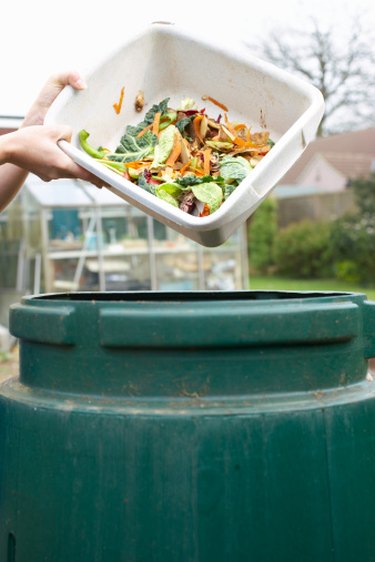
Cut or tear parchment paper into small pieces or run it through a shredder before adding it to the compost heap. Large pieces of paper eventually decompose, but take more time. Parchment paper, newspaper, cardboard paper towel rolls, wood chips and shredded leaves are considered "dry" compost ingredients. They lack moisture and break down slowly. Balance these materials with an equal amount of "wet" materials, such as untreated grass clippings, yard waste and kitchen scraps, for more efficient composting.
Composting Methods
When selecting a composting method, consider the amount of space and time you have available, as well as the amount of materials you have to compost. A homeowner with a large yard will probably want a compost pile or bin, while an urban dweller with limited space may use a bucket under the sink to compost small amounts of food scraps and shredded paper. Sheet composting is the process of placing thin layers of wet and dry materials directly on the soil in the garden. Till the soil weekly to mix soil with the compost and speed decomposition. This method is a fast, convenient way to quickly improve large garden areas.
Materials to Avoid
In addition to wax-coated or glossy papers, avoid meat and dairy scraps that might cause odors or attract animals to the compost pile. Salad dressings and oils cause compost materials to clump together, resulting in a less efficient pile. Avoid metal, glass and plastic that won't break down, as well as large sticks or branches. Never put toxic materials, diseased plants or weeds that have gone to seed in the compost pile.