Is Black-Eyed Susan Toxic?

Is Black-Eyed Susan Toxic? thumbnail
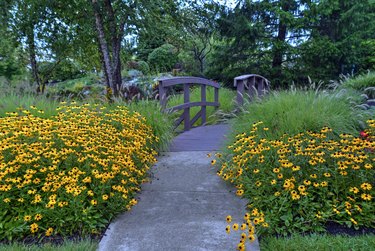
Black-eyed Susan is a striking member of the daisy family.

The black-eyed Susan is a flowering plant related to the daisy. This annual flower is also called the brown daisy, the yellow ox-eye daisy, golden Jerusalem and the brown-eyed Susan. Black-eyed Susan is relatively harmless, but can be mildly toxic in some situations. Does this Spark an idea?

  1. Species

    • Black-eyed Susan has been known to cause mild poisoning in cattle and pigs. It may also be dangerous to cats, dogs and other household pets. This flower should also be kept away from small children, who may chew it or get the sap on their skin.

    Effects

    • The toxic effects of black-eyed Susan differ, depending on the species being affected. Cattle that ingest black-eyed Susan may suffer from irritation of the stomach and intestinal lining. Pigs that eat it may wander aimlessly or enter a coma. According to the University of Vermont, black-eyed Susan may also act as a skin irritant.

    Considerations

    • While black-eyed Susan does contain some toxins, it is not a common cause of poisoning in livestock, pets or humans. Homeowners may wish to clear the black-eyed Susan flowers from grazing areas and monitor pets and children around them, but do not need to eradicate it.

Related Searches:

References

  • Photo Credit Jupiterimages/Photos.com/Getty Images

Comments

You May Also Like

  • Pets & Poisonous Garden Plants

    Animal lovers go to great lengths to keep their furry companions healthy but when it comes to thinking about the landscape, many...

  • Botanical Name for Black Eyed Susan Vine

    Black-eyed Susan vines serve both an aesthetic and functional purpose in any garden. The vine is native to East Africa, yet will...

  • How to Separate a Black-Eyed Susan Flower

    Black-eyed Susans provide hardy, colorful flowers that brighten up any garden and make attractive cut-flower bouquets. With a scientific name of Rudbeckia,...

  • What Does a Black-Eyed Susan Flower Look Like?

    The black-eyed Susan flower is a member of the daisy flower group, or Compositae. This flower's scientific name is Rhudbeckia hirta, and...

  • When to Plant Black-eyed Susan Seeds

    Black-eyed Susan, Rudbekia hirta, is a native flower that grows throughout the eastern United States. They have deep-yellow petals and dark centers,...

  • Can Black-Eyed Susans Live in a Tub or Planter?

    Black-eyed Susans produce showy flowers that bloom over a long period of time, making this a popular wildflower that will grow well...

  • Is the Clematis Plant Poisonous?

    Also known as the virgin's bower and leather flower, the clematis plant is an evergreen vine that may cause severe mouth pain...

  • Flowering & Trailing Plants

    Flowering & Trailing Plants. Flowering and trailing plants form striking accent pieces when grown in containers such as window boxes, hanging baskets...

  • What Are the Benefits of Thunbergia Laurifolia Lindl?

    What Are the Benefits of Thunbergia Laurifolia Lindl?. Two common names for Thunbergia laurifola Lindl are laurel clock vine and blue trumpet...

  • Rudbeckia And Pests

    Rudbeckia plants, more often referred to as black-eyed Susans, provide bold, sunny visual interest to the home garden that can suddenly wane...

  • Susan Harwood Grants

    The U. S. Department of Labor's Occupational Safety and Health Administration awards Susan Harwood grants on an annual basis to programs working...

  • Care of a Black-Eyed Susan Plant

    The perennial black-eyed Susan is native to the United States. The plant is a wildflower that is planted in gardens, open fields...

  • Brown Leaf Spots on a Black-Eyed Susan

    The black-eyed Susan (Rudbeckia spp.) is widely grown for its late-season yellow blooms featuring dark domed centers. The leaves of the black-eyed...

  • Insects, Diseases and the Black Eyed Susan

    Overall, the black-eyed Susan vine (Thunbergia alata) is pretty much pest- and disease-free. On occasion, however, certain insects and disease can infest...

  • How to Make Southern Black-Eyed Peas

    Black-eyed peas have long been considered a staple of good ole' down home cooking in the South as well as a popular...

  • Information About Black Mulch

    Mulch is a gardening aid used to moderate soil temperature and retain moisture. You can buy dyed mulch in a few different...

  • Rhododendron Toxicity

    Popular in landscaping, rhododendron plants flourish in the Pacific Northwest, but can be found from the arctic climates to the tropics. The...

  • Flowers That Are Poisonous to Cats

    Flowers That Are Poisonous to Cats. Plants are a visually appealing addition to any home, but cat owners need to pay careful...

  • Common Biennial Garden Plants

    Common Biennial Garden Plants. Biennial plants and flowers have a two-year biological life cycle. They grow roots, stems and leaves their first...

Related Ads

Featured