

Roof Coatings to Cover Asphalt Shingles

Asphalt shingles are among the most common roofing materials found in the United States. They offer good protection for home structures, are relatively low in cost and last for many years. Asphalt roofs are also easy and inexpensive to repair when necessary.
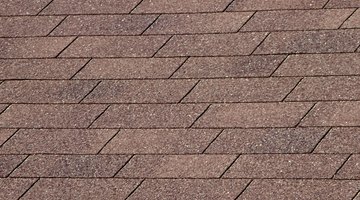
Several different coatings are offered to cover asphalt shingle roofs to enhance characteristics such as heat reflection, water resistance and appearance.
Paint Coatings
The color of asphalt roof shingles can easily be change with a coat of paint, but careful preparation and cleaning of the roof surface will help homeowners to achieve the best results, according to the Behr website. Minor repairs of broken or brittle shingles should be done before applying the paint. Clean the roof carefully, removing mold and mildew from shingles if required. Temperatures between 50 and 90 degrees Fahrenheit are optimum for paint application. Paints should not be applied when heavy rains or humidity is expected within 24 hours. A number of reputable paint manufacturers offer paint coatings suitable for asphalt shingle application.
Rubberized Coatings
Homeowners will find a number of rubberized roof coatings on the market that can be applied to asphalt shingles. These coatings are generally applied with a paint roller or spray system to completely coat the roof, adding more moisture-resistance yet allowing water vapor to pass through the coating, according to the Armor Garage website. The first coating is allowed to dry for three to four hours before applying an additional coat. Rubberized coatings should not be applied to wet roofs or when rain is in the forecast.
Cool Coatings
Cool coatings are used in green building construction to reflect the heat of the sun to maintain cooler interior temperatures. The method uses white and other “cool colors” to reduce the amount of sunlight that roofing materials hold that add to the energy costs of home cooling. Asphalt shingles are among the least effective roofing materials at reflecting the sun’s energy. The limited amount of pigment in the asphalt granules and darkness of the substrate materials add to the heat absorbed by the shingles. The roughness of the shingle surface also adds to multiple scattering of light and higher absorption of heat. Cool coatings made of acrylic can help to counteract this heat absorption capability.
Problems with Asphalt Shingle Coatings
Homeowners should research carefully before applying coating materials to asphalt roof shingles. Many coatings can deteriorate the asphalt shingles, causing roof leaks and surface damage. Coatings can also affect the air permeability of the roofing material. Consult with the asphalt shingle manufacturer before using any coating material on your roof, according to the Asphalt Roofing Manufacturers Association website.
References
Photo Credits
- Jupiterimages/Photos.com/Getty Images
- Jupiterimages/Photos.com/Getty Images
More Articles

