


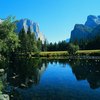

Rocky Mountain National Park is home to a stunning array of wildlife and natural wonders. Elk and bighorn sheep are among the park’s biggest draws, though visitors may also see beavers, moose, deer, river otters and a host of other native creatures. The park's terrain includes mountain peaks, pine forests, grassy fields and alpine tundra as well as 450 miles of streams and 150 lakes, creating a versatile landscape for any type of outdoor activity.
Seasons
Rocky Mountain National Park is open year round, but when you visit will greatly affect the type of experience you have. In winter, you can expect several feet of snow, suitable for activities such as snowshoeing and skiing. Mild spring weather hits the park around April. By June, summer is creeping in, with temperatures averaging in the 70s or 80s Fahrenheit during the day and dropping into the 40s overnight. Fall is the driest season in the park, typically bringing crisp, clear days.
Activities
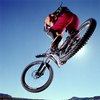
This huge park can accommodate nearly any type of outdoor activity. Fishing is allowed in designated areas with a Colorado fishing license. The wide variety of trout includes rainbow, brook, brown and Colorado river cutthroat trout. Possession limits and length requirements apply, and greenback cutthroat trout are catch-and-release only. Hiking and biking are popular activities on any of the park's 355 miles of trails, with elevations up to 12,000 feet. Even experienced hikers can enjoy a challenge. Horseback riding is permitted on 260 miles of the trails. Snow, rock and ice climbing are all available, as well as mountaineering. People participating in these activities are asked to take precautions to leave as little impact on the park as possible.
Camping
Overnight visitors to the park will have no problem finding a campground as long as they are comfortable with very few amenities. None of the campgrounds in Rocky Mountain National Park have electric, water or sewer facilities. Moraine Park, Aspenglen and Glacier Basin accept reservations. The Longs Peak and Timber Creek campgrounds are first come, first served. Longs Peak and Moraine Park are open year round. Timber Creek was previously open seasonally, but now serves campers year round. Backcountry camping is allowed in the park with a permit.
Kids
Rocky Mountain National Park provides ample opportunities for children to get involved in park exploration and intriguing outdoor activities. For kids in kindergarten through eighth grade, the park offers the Rocky’s Junior Ranger Program. The Moraine Park Museum houses an abundance of exhibits, many geared toward children and incorporating easy-to-understand concepts. Families visiting in July can experience the Rooftop Fair and Rodeo in Estes Park, complete with cowboys and country-western concerts. Grand Lake hosts a Winter Carnival for visitors arriving in the colder months.
Considerations
Mountain weather can be deceiving, and visitors should come prepared for the worst. Even a clear, calm day can quickly be overtaken by thunderstorms. When you're hiking, always carry rain gear, extra food and water, a first aid kit, a flashlight, a map and a compass. Wear plenty of high-SPF sunscreen, even on cloudy days. The high elevations in the park can cause altitude sickness, with symptoms such as nausea and headaches. Descend to a lower altitude any time you begin to feel ill. Keep plenty of water on hand to fend off dehydration.
References
Photo Credits
- rocky mountain national park image by Brett Bouwer from Fotolia.com