sapling
Personal Finance
Student Loans
Credit Cards
Debt
Taxes
Budgeting
Investing
Home Finance
Car
Personal Finance
Career Growth
Freelance
Small Business
Resume Tips
First Jobs
Switching Careers
Career Advancement
All Career Growth
The Juggle
Balancing Life + Work
Travel
Shopping + Entertainment
Home Ownership
Insurance
Retirement
All The Juggle
JOIN OUR NEWSLETTER
JOIN OUR NEWSLETTER
Grant a Wish!
By: Beverly Bird
Read
Advertisement
By
Ashley Donohoe
These Tips Can Help Save You the Big Bucks on Holiday Flights
The Juggle
By
Melissa Fanella
Can a Married Couple Get First-Time Homeowner Benefits Twice?
The Juggle
By
Beverly Bird
Options If You Can't Pay the IRS
Personal Finance
By
Ashley Donohoe
Hacks to Help You Get Out of the Debt Trap
Personal Finance
By
Stephanie Faris
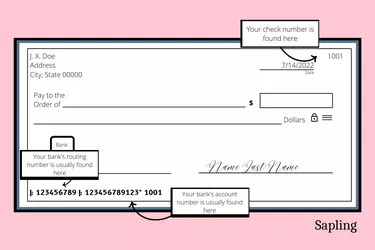
What Information Is Required on a Check?
Personal Finance
By
Melissa Fanella
Recession-Proof Side Gigs
Career Growth
By
Ashley Donohoe
Is It Time for a College Bank Account?
Personal Finance
By
Anne Johnson
Do You Pay Taxes on Personal Payment Apps?
Personal Finance
By
Stephanie Faris
Is It Time for a Second Job?
The Juggle
By
Ashley Donohoe
Your Taxes & Student Loan Forgiveness
Personal Finance
By
Anne Johnson
Are 401(k) Loans Really Worth the Risk?
Personal Finance
By
Ashley Donohoe
College for Working Adults: Full Time vs. Part Time
Personal Finance
Follow Us on Social Media
By
Melissa Fanella
Workday Wellness Hacks
The Juggle
By
Melissa Fanella
Is Now the Time to Switch Jobs?
Career Growth
By
Ashley Donohoe
Using Your Federal Work Study for Job Experience
Career Growth
By
Anne Johnson
How Do I Search for Forgotten Assets?
Personal Finance
By
Jim Woodruff
What Is Dow Jones & the DJIA?
Personal Finance
By
Beverly Bird
The Inflation Reduction Act & Going Green
The Juggle
By
Ashley Donohoe
Are Credit Card Deals for College Students a Good Deal?
Personal Finance
By
Melissa Fanella
Mutual Funds vs. Index Funds: Pros & Cons
Personal Finance
By
Ashley Donohoe
Reduce Your Cost of College With Alternate Credits
Personal Finance
By
Jim Woodruff
ETFs vs. Mutual Funds: Pros & Cons
Personal Finance
By
Ashley Donohoe
Create a Budget With Your College Student
Personal Finance
By
Beverly Bird
How Is Long COVID Affecting the US Economy?
The Juggle
Report an Issue
Contact*:
Severity*:
High
Normal
Low
Description*:
Screenshot loading...
Cancel
Submit