
Poverty, illness and a lack of strong social support not only jeopardize a child's future but all too often their lives. Whether you know a child who needs help or want to help children yourself, there are a host of organizations across the globe and in most U.S. communities, there are nonprofit organizations working to help children in need.
Helping Children Worldwide
John Moore/Getty Images News/Getty Images
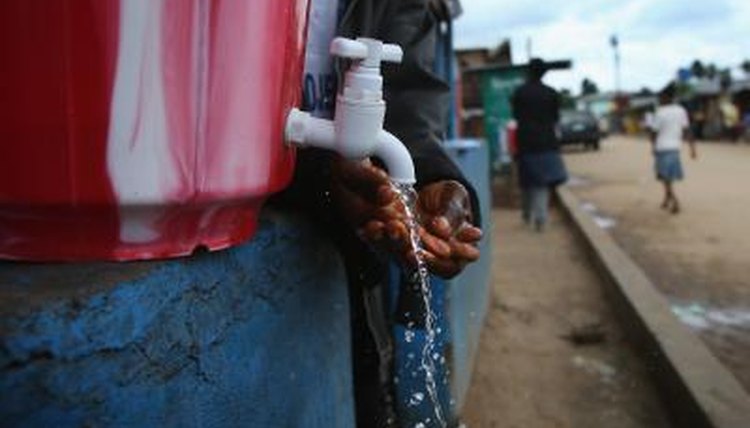
Founded in 1946, the United Nations Children's Fund (UNICEF) may be the most recognized nonprofit for children. UNICEF aids children in emergency conditions and works toward sustainable development where child poverty is most extreme. Save the Children, famous for its program to have people sponsor one child in need at a time, reached 143 million children in 120 countries in 2013. Free the Children is an international children's charity that has trained 2.3 million youths to be agents of change in every project they undertake. Free the Children began when 12-year-old Craig Kielburger gathered his school friends to fight child labor and today, it has projects in more than 45 countries.
Poverty, illness and a lack of strong social support not only jeopardize a child's future but all too often their lives. Whether you know a child who needs help or want to help children yourself, there are a host of organizations across the globe and in most U.S. communities, there are nonprofit organizations working to help children in need.
Helping Sick Children
Michael Loccisano/Getty Images Entertainment/Getty Images
Many nonprofits specialize in helping sick children and developing treatments and cures for child illnesses. Shriners Hospitals for Children is one such organization, offering burn care, orthopedics, cleft lip and palette, and spinal-cord-injury treatment to children across the U.S. free of charge. Located in Memphis, St. Jude Children's Research Hospital averages 67,000 patient visits every year and has treated children from every state in the U.S. as well as around the world. Ronald McDonald House Charities offer housing for families with sick children across the world as well as mobile health-care units for families, grants and scholarships.
Poverty, illness and a lack of strong social support not only jeopardize a child's future but all too often their lives. Whether you know a child who needs help or want to help children yourself, there are a host of organizations across the globe and in most U.S. communities, there are nonprofit organizations working to help children in need.
Helping Kids Learn
Yobro10/iStock/Getty Images
Education-focused nonprofits work toward helping children stay in school while offering them direction in their futures. Founded in 1989 at Boston City Hospital, Reach Out and Read now distributes 6.5 million books every year to children in all 50 states through 5,000 partner program sites. Communities in Schools assists vulnerable students in U.S. school districts with high dropout rates. In 2013, Communities in Schools helped more than 1.3 million children in 375 school districts. The Children's Defense Fund assists schools with literacy programs, provides summer and after-school enrichment programs as well as youth leadership and development training.
Poverty, illness and a lack of strong social support not only jeopardize a child's future but all too often their lives. Whether you know a child who needs help or want to help children yourself, there are a host of organizations across the globe and in most U.S. communities, there are nonprofit organizations working to help children in need.
Helping Children Locally
John Parra/Getty Images Entertainment/Getty Images
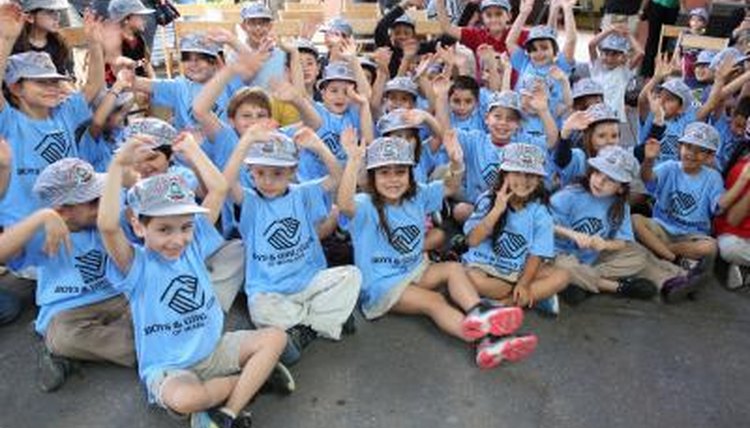
In most communities, there are grassroots nonprofits offering help to children in need -- often financially assisted by agencies such as the United Way. Big Brothers Big Sisters is a national organization that matches at-risk children with adult role models throughout the United States. Boys and Girls Clubs of America operates more than 4,000 locations in the U.S. with development programs, training and other services to help about 4 million children and teens every year. Toys for Tots was founded and is run by the U.S. Marine Corps Reserve. Each year from October to December, this nonprofit collects millions of toys for children in need across the U.S. with the help of nearly 25,000 Marines, veterans and other volunteers.
References
Writer Bio
A published author and professional speaker, David Weedmark has worked as a technology consultant for many small businesses and was once a professional financial advisor. David has also has written hundreds of articles on money matters for newspapers, magazines and online publications.