



Filtering water is a huge business as more and more consumers feel the need to have water filters installed for their household water usage. Some choose to have a whole water system while others are content with single faucet water filters. Whatever water treatment you decide on is based upon the initial quality of your water and whether filtered water is necessary for all of your water needs. Reverse osmosis water filtering is very popular as more water contaminants are found.
History
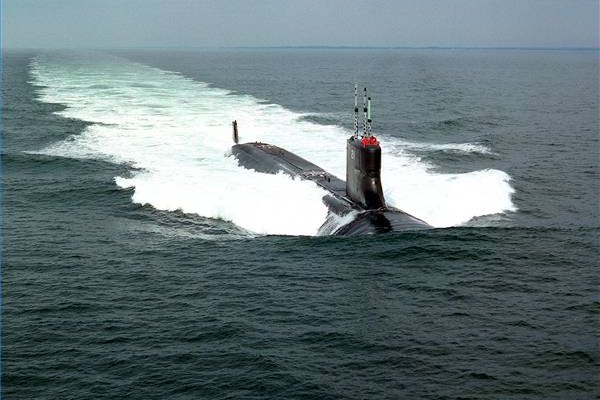
The process of water filtering by reverse osmosis was developed by the Navy as a means of removing salt from sea water. After 40 years of use and development, the water filtering capability has increased from about 5 gallons per day to around 100 gallons of filtered and clean drinking water. NASA uses this water filtering process as an important part of their space travel in treating their wastewater to be reused as filtered water, thus reducing their water needs.
Function
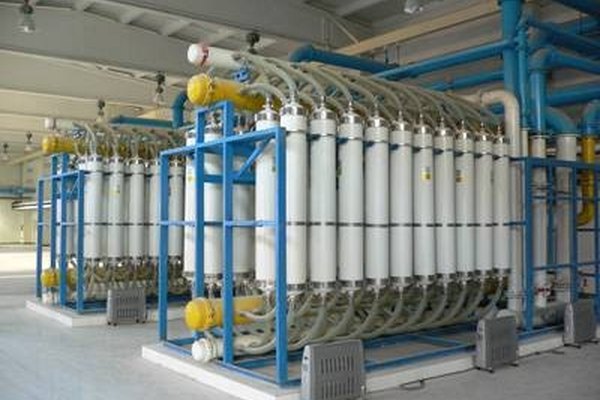
Filtering water by using reverse osmosis is clever technology. During regular osmosis, the fluid is seeking a balance of ions and so the flow of water will be from the concentrated source of ions, through a semipermeable membrane to the less concentrated source of ions. An example of this concept is people dehydrating in sea water. Since the sea water is saltier than human body fluids, the sea water will pull the fluids from the less concentrated source of ions (our body) to the sea water (more concentrated source of ions). This process is reversed in the reverse osmosis water filter by adding low pressure to force the water from the concentrated source to the less concentrated source through the membrane that does not allow the ions (Na+, Ca2+, Cl-), or any larger contaminants, to pass through.
Significance
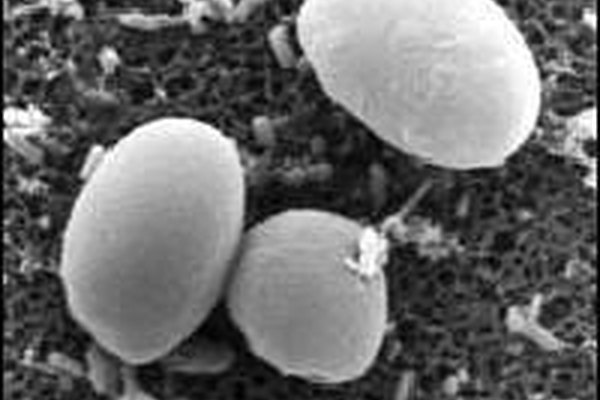
Cleaning water by reverse osmosis is important for many different reasons when considering its use in treating wastewater. It is the most effective system for producing clean filtered water. It removes more chemicals than any other process of filtration, even more than water distillation. In water distillation volatile chemicals can evaporate in steam and be collected in the clean water. Water passed through the semipermeable membrane used in reverse osmosis is almost totally free of contaminants. Reverse osmosis systems that pass the filtered water through a carbon filter as a last step will remove almost 100 percent of any impurities commonly found in water.
Types
Water is filtered through two different kinds of membranes in home water filtering units; either Thin Film Composite (TFC) or Cellulose Triacetate (CTA). The TFC membrane is a more effective barrier for particles as small as ions, but is not as resilient as the CTA, especially when homeowners use them to filter chorinated water. Water filters will differ in their quality of activated carbon prefilters and the size of the water filtering unit. You can determine the size of the water filtering unit necessary by determining how much filtered water you will need per day.
Considerations
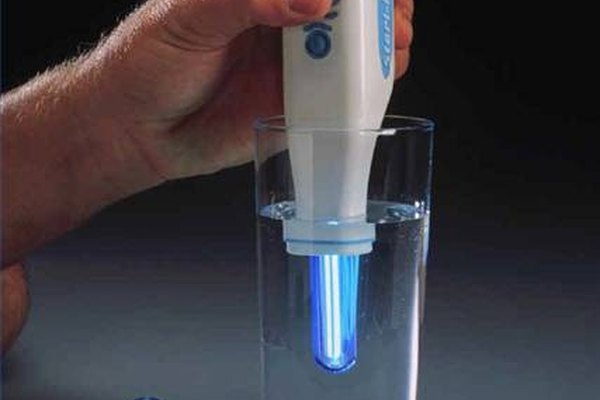
Deciding on which water filtration system to install into your water supply takes research. (See Resources below.)The process of reverse osmosis for water filtration is slow and uses a lot of water to produce one gallon of clean water. If your water supply is untreated such as from a well or lake, additional filters may be recommended depending on the level of organic contaminants that might be small enough to pass through the membrane. The combination of reverse osmosis, carbon filtration and sometimes ultraviolet light should produce (technically) perfectly clean water, devoid of any contaminants.
Writer Bio
Maryland resident Heide Braley is a professional writer who contributes to a variety of websites. She has focused more than 10 years of research on botanical and garden articles and was awarded a membership to the Society of Professional Journalists. Braley has studied at Pennsylvania State University and Villanova University.
Image Credit
http://www.home-water-purifiers-and-filters.com, http://www.citadel.edu/, http://www.shubhamindia.com, http://www.waterfilterreview.com, http://www.frigidaire.com, http://www.steamvaporclean.com