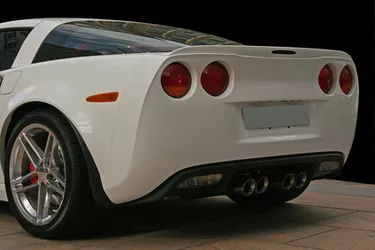
Insurance companies do not label cars in the traditional ways you might think because of the cross over trend. Your vehicle identification number or VIN is the tell-all for insurance providers. When they plug in your VIN, if any sports car features pop up you can expect a hike in your premium.
Engine Size
Video of the Day

Most sports cars are recognized by larger engines, which make cars go faster. Speed equals cost in the insurance business.
Video of the Day
Safety
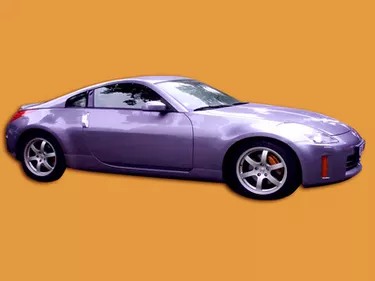
While innovations continue in the ongoing push to make sports car safer, they are simply not rigged with the safety nets ordinary cars are. The smaller size of a sports car also contributes to accident/injury risk.
Two Doors
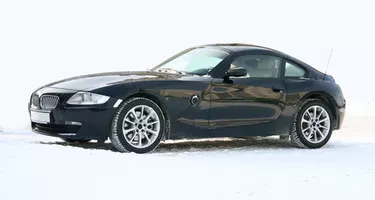
Two doors are traditionally associated with sports cars.
Tricks
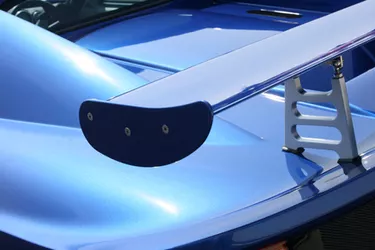
You can have an ordinary car, but if you add on a spoiler or settle for a convertible type, you will be entering the sports car realm.
Color

Contrary to popular belief, the color red alone will not impact your insurance in a negative way, even though it's associated with fast cars. Rather, bright colors can be insurance savers as they are considered easier to spot on the road, therefore, have less chance of collision; however, a red car with sports features is well, ah, a sports car.