


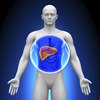


The liver is a vital component of the human digestive system. There are over 5,000 identified functions including food metabolism, energy storage, waste removal, detoxification, immune system support and production of chemicals. Humans can not survive without a functional liver and liver disease is so prevalent it impacts one out of every ten Americans.
Function
Many of the functions of the liver relate to digestion. The liver converts the food we eat into energy and then stores this in the readily accessible form of glycogen. The liver also produces bile, which breaks down fats and helps remove waste products from the body. Detoxification in the form of drug and waste removal takes place in the liver as well as the storage of iron, vitamins and minerals. Additional functions of the liver include removal of bacteria, manufacture of the protein albumin, fibrinogin and other substances, processing of hemoglobin and the regulation of chemical levels in the blood.
Features
The liver processes so much blood that at any given moment it contains up to one pint of blood. Nearly all the blood leaving the stomach and small intestine passes through the liver prior to traveling to the rest of the body. The blood coming from the stomach and small intestine is fresh with nutrients from digestion which are then processed by the liver and used for the liver's many functions.
Identification
The liver is located just beneath the diaphragm in the upper right portion of the abdominal cavity. Positioned near the organs it works closely with the liver is to the right of the stomach just over the gallbladder. There are four main lobes in the liver which are further divided into lobules. The liver is an irregular hemisphere shape and is dark reddish brown in color.
Size
Weighing an average of just over three pounds, the liver is the largest gland and the largest internal organ in the human body. The liver is approximately 20 to 22.5 cm across, 15 to 17.5 cm vertically and is slightly larger in men than women. The right lobe of the liver is the largest and is six times larger than the left lobe.
Considerations
The liver can be seriously damaged by toxic substances such as viruses, medications, genetic diseases and alcohol. If the liver is physically damaged it has the ability to not only regenerate but to adjust its size according to the owner. if needed. If 55% of a liver is removed from a live donor that donor's liver is capable of regenerating and being fully functional in 4 to 6 weeks. Although live humans are able to donate a portion of their liver, this is not commonly done. Cadaver liver donations are the standard source for most liver transplant recipients.
Image Credit
stock_xchng - Anatomy (stock photo by scol22) [id 911907]