Pocket pets such as mice, rats, hamsters, gerbils, chinchillas, guinea pigs, and hedgehogs make rewarding and enjoyable companions, but not without certain drawbacks. While mice are not likely to be exposed to the over 35 types of diseases that wild rodents can carry, even the most well-bred pet mice and rats can contract diseases that can spread to their owners and other pets through urine and feces. With proper hygiene, the chance of transmission of the few diseases that pet mice can carry is greatly reduced.

Video of the Day
Leptospirosis in humans and pets
Leptospira bacteria carried in the droppings of mice can infect humans and family pets if they accidentally ate mouse droppings. Leptospirosis is more commonly found in humid or tropical locations, but transmission has occurred worldwide. It is possible to contract leptospirosis from mouse or rat urine or feces without showing symptoms; if other members of the family—including pets—become lethargic, or experience a high fever, vomiting, and chills, leptospirosis may be a potential cause. If your dog ate mouse droppings, take him to the vet as soon as possible.
Video of the Day
Lymphocytic choriomeningitis virus
Lymphocytic choriomeningitis virus, or LCM, is often mistaken for a particularly nasty bout of the flu. Most commonly carried by domestic pet mice, LCMV is spread by inhalation of dried particles of the infected mouse's droppings or urine. Similarly, if you accidentally ate mouse droppings, or your dog ate mouse droppings, you could be at risk.
When flu-like symptoms—vomiting, muscle aches, cough, and fever—fade and are replaced by a stiffness in the neck, fatigue, and confusion, suspect LCMV, which can be confirmed and diagnosed with blood tests.
Hantavirus pulmonary syndrome
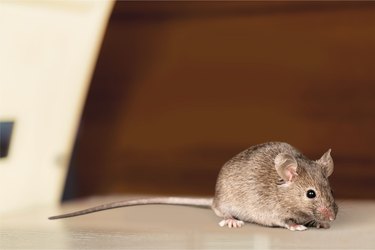
Hantavirus pulmonary syndrome (HPS) is an uncommon but serious illness caused by species of hantavirus that infect mice and rats. It is characterized by symptoms such as cough, fever, shortness of breath, nausea, diarrhea, headaches, and muscle aches. Some people assume these symptoms will resolve on their own, but if HPS is left untreated, symptoms can progress quickly and be fatal.
Hantavirus can infect humans through a rodent's saliva, urine, and droppings. While it can be a scary disease to have, infection is rare and it doesn't cause illness in gerbils, hamsters, or guinea pigs. If your cat or dog ate mouse droppings, he isn't at risk of contracting HPS. You should see your doctor if you experience symptoms, in case you inhaled or accidentally ate mouse droppings through contaminated food.
Salmonella bacteria infection
A pet mouse who experiences lethargy, diarrhea, or has discharge leaking from the nose and eyes, could have salmonellosis, the illness caused by salmonella bacteria. Easily transmittable to humans and other animals, salmonella bacteria are shed in the droppings of infected rats and mice.
You may have salmonellosis if you accidentally ate mouse droppings and have symptoms such as fever, stomach cramps, and diarrhea. Though symptoms usually set in between six hours and six days after infection, some people don't experience symptoms until several weeks after infection, and symptoms could last several weeks. Some strains of salmonella bacteria infect the blood, bones, joints, and urine, and may be fatal, especially in young children and those with a weakened immune system.
Most cats and dogs are asymptomatic carriers of salmonella bacteria. This means they don't appear to be sick but still shed bacteria in their saliva and stool, which can infect people and other animals. If your cat or dog ate mouse droppings and develop salmonellosis, symptoms may include fever, vomiting, diarrhea that may be bloody, loss of appetite, and reduced physical activity.
Prevention is key
If your rodent has an infection, or your cat or dog accidentally ate mouse droppings, you can prevent a disease from spreading to humans or other pets by keeping your rodent's bedding clean. Make sure you wash your hands before and after you hold her, clean your cat's litter box, and pick up your dog's poop. Don't let your pets lick you or each other, and keep sick animals quarantined from healthy ones.
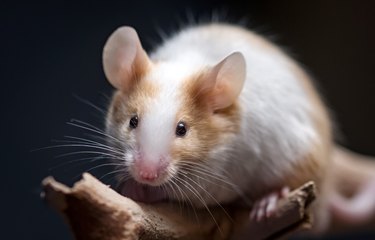
If you suspect that you or your family member's illness may be related to your pet rodent—for example, if your dog ate mouse droppings—take a sample of the rodent's urine and feces to the vet to be tested. While infection from these diseases can present serious health risks, full recovery is possible with quick intervention. When in doubt, turn to your veterinarian and doctor for help.
- Centers for Disease Control and Prevention: Lymphocytic Choriomeningitis Virus
- King County Public Health: Diseases From Rodents, Pocket Pets and Rabbits
- Healthy Children: Hamsters and Mice Can Cause Illness
- Mayo Clinic: Hantavirus pulmonary syndrome
- Centers for Disease Control and Prevention: Salmonella
- U.S. Food & Drug Administration: Get the Facts About Salmonella
- Centers for Disease Control and Prevention: Rodents
- Health Protection Agency: Reducing the risk of human infection from pet rodents