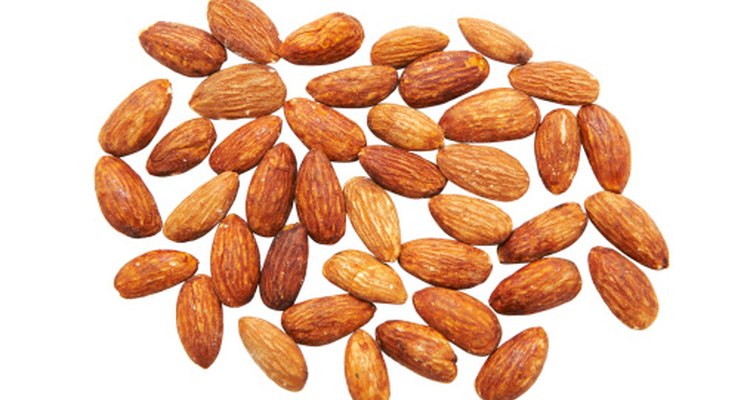
Mandelic acid is a type of AHA, or alpha-hydroxy acid. It is derived from bitter almonds, and is in many respects similar to glycolic acid, a more commonly known AHA. AHAs work by loosening or dissolving dead and damaged skin cells to reveal fresher skin. Mandelic acid -- which also has antibiotic properties and has been used medically as a urinary antiseptic -- has recently gained favor, not only for its anti-aging effects, but also for the improvement of acneic and hyper-pigmented conditions. Used as a chemical peel, it can kill bacteria, purify pores, decrease hyper-pigmentation, and soften fine lines.

Cleanse your face thoroughly. Gently pat it dry. Do not rub, as this can increase irritation from the peel.
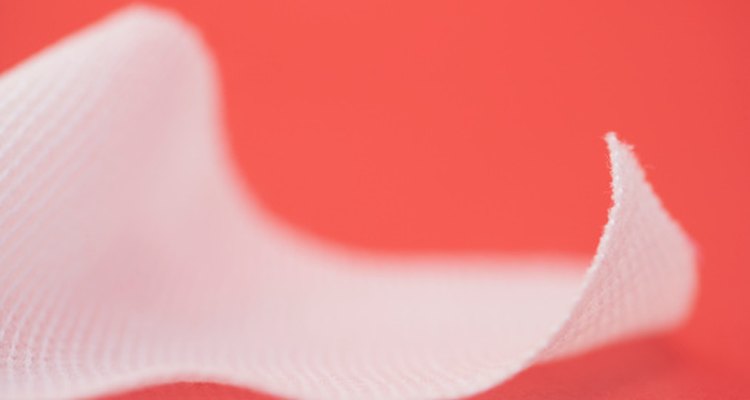
Saturate a piece of gauze or large cotton swab with the mandelic acid solution. Apply evenly over your face. Leave the solution on your face for about five minutes.
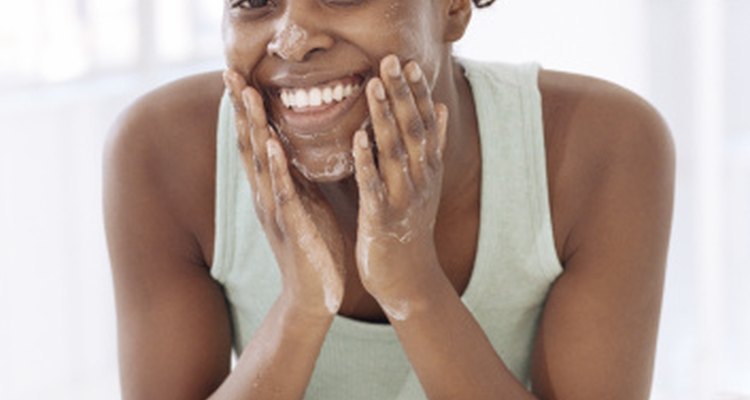
Rinse the mandelic acid solution from your face using plenty of water and, if necessary, facial cleanser.
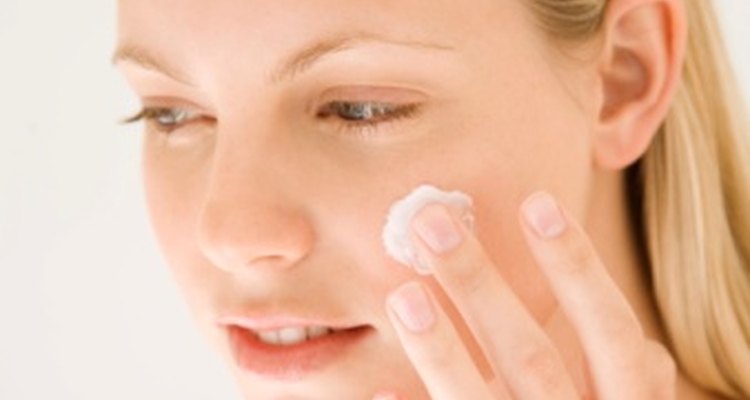
Dry face gently and apply moisturizer liberally.

Repeat at least once and up to three times a week.
Related Articles

How to Even Out Skin Tone Without Makeup

How to Repair Open Pores
Skin Care Products That Contain ...

List of Retinoids

Are There Ways to Get Rid of Blocked ...

How to Reduce Acne Inflammation

Can Any Home Remedies Get Rid of Acne ...

Homemade Facials to Clear Blemishes

How to Get a Pimple to Go Away Fast

Papaya & Acne

How to Make Body Scrub With Olive Oil & ...

How to Shrink Pores With Proactiv

Tea Tree Oil as a Natural Remedy for ...
How to Bake Nectarines Like Peaches

How to Exfoliate for Rosacea
How to Freeze Papaya
How to Make Xylitol Toothpaste

Can Tri-Luma Be Used to Fade Acne Scars?
What Foods Provide Calcium D-Glucarate?

Avocado Masks for All Skin Types