You can find a wide variety of chemical cleaners around the home. Some of them are basic, or alkaline, including chlorine bleach; others, such as the oxalic acid in some rust removers, are acidic. Each class of cleaning agents is better suited for certain applications. Both alkaline and acidic cleaning agents can be hazardous if misused or handled improperly.
Acidic Compounds
Video of the Day
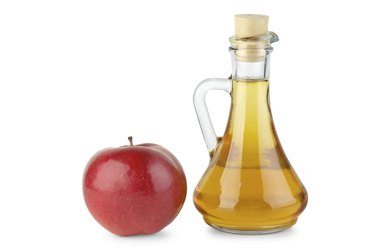
Vinegar is a dilute solution of acetic acid; it can help remove mineral deposits or rust stains from sinks and glassware. Citric acid, found in lemon juice, serves a similar purpose. Both citric acid and acetic acid are weak acids. Oxalic acid is a stronger acid that's sometimes used as a rust remover. Sodium bisulphate, hydrochloric acid and sulfuric acid are even stronger acids that are sometimes included in toilet bowl cleaners.
Video of the Day
Alkaline Products
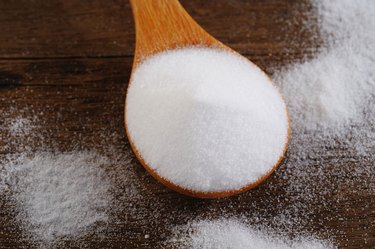
Baking soda or sodium bicarbonate is a weak base sometimes used to clean glass and wall tile. Dilute solutions of ammonia are more strongly alkaline and often find use in cleaning windows, mirrors, kitchen burners and other surfaces. Chlorine bleach is an alkaline solution of sodium hypochlorite dissolved in water. Trisodium phosphate and sodium carbonate, or washing soda, are also alkaline cleaning agents. Lye or sodium hydroxide is a very strong base and is sometimes found in drain and oven cleaners.
Benefits
Acidic cleaners are often good for removing mineral deposits, many of which are more soluble in solutions with an acidic pH. Acidic cleaners may also help remove rust stains or discoloration from copper and other metals. Alkaline cleaners, by contrast, are especially good at breaking down fatty or oily deposits, which is why many laundry detergents are alkaline, or basic. Chlorine bleach is a base and is especially good at removing stains and dyes from clothes.
Hazards
Strongly acidic or basic cleaners may be corrosive, meaning they can eat away at metal surfaces or human tissue. Lye, sulfuric acid and hydrochloric acid are especially hazardous. Cleaners with a pH over 12.5 or under 2 are classified as hazardous materials; follow local hazardous-waste guidelines when disposing of these materials. Many other cleaning materials -- both acidic and alkaline -- pose their own special hazards. Oxalic acid, for example, is toxic and corrosive, while combining bleach and certain toilet bowl cleaners can produce poisonous gases. Always read the labels on the products you buy and follow the directions to ensure your own safety.