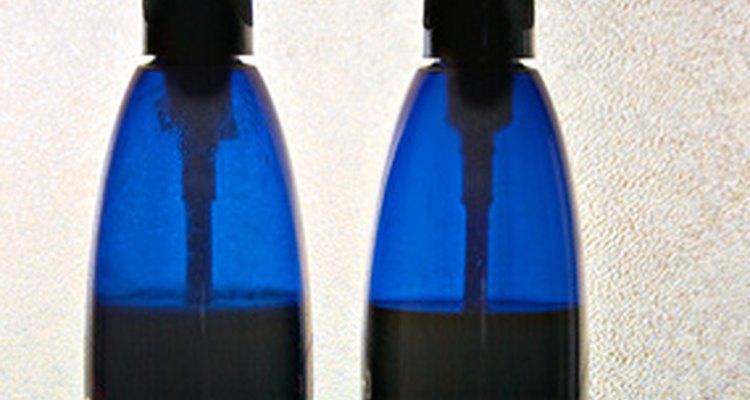
Relaxers chemically alter the natural composition of your hair, breaking down hair follicles and potentially harming its natural growth. Lye-based formulas have been known to permanently damage the hair shaft and also the scalp caused by the main ingredient, sodium hydroxide. Milder and chemical free relaxers have been introduced as an alternative to lye-based formulas.
No-Lye Relaxers
No-lye relaxers don’t contain the ingredient sodium hydroxide, the harsh chemical that can cause serious hair, skin and scalp damage if not used properly. No-lye relaxers use guanidine hydroxide, a less damaging chemical agent, but still not all natural.
No-Lye Effects
No-lye relaxers permanently reshape the hair and modify the hair structure. Excess use of relaxers can cause dry, brittle hair, chemical burns on the skin and scalp and hair loss. Supervision is recommended for best results and proper upkeep.
BodipHier Hair Relaxer System
This system is designed to straighten the hair and add body to it without the damaging effects of chemical relaxers. BodipHier uses an Alkaline Water Formula, penetrating the hair without destroying the cuticle.
BodipHier Effects
The alkaline water permanently softens the hair bonds inside the hair without breaking them down and destroying the bond. The natural curl pattern is loosened and makes the hair straighter, while enriching the hair with vitamins and minerals to restore and condition the hair.
Perm Salt
Perm salts are acid based relaxers containing one of three ingredients; Ammonium Thioglycolate, Sulfate and Bisulfate. Perm salts don't completely break the hair bonds, instead they penetrate the hair cuticle and weaken the bonds.
Perm Salt Effects
Perm salts are a milder method of relaxing the hair, however, they can strip the natural oils and moisture from your hair. The proper use consists of treating your hair once every 3-4 months on the new hair growth closer to the roots. Do not use the perm salt twice on the same area of hair.
Related Articles

How to Control Frizzy Hair for ...

Types of Hair Treatment
The Effects of Perm Lotion on Hair ...

Side Effects of Lye in Hair Relaxers
How to Get Rid of Calcium Buildup in ...

How to Relax a Perm With Home Remedies

How to Decide Which Perm is Best for You
Extra Virgin Olive Oil as a Hair ...

Vitamins for Damaged Hair

How to Piggyback a Permanent Wave
Acid Vs. Alkaline Perm

Horsetail vs. BioSil
How to Style a Kanekalon Wig
What Are the Benefits of BioSil?
How to Properly Wash a Wig
Ingredients in Redken Shampoo
Chi Hair Treatment

How to Keep Temporary Dye From Fading
How to Take Care of Yaki Hair

How Long Does a Hair Texturizer Last?
Writer Bio
Candace N. Smith is a fashion and business writer in New York. Beginning her writing career in 2007, her work has appeared in various fashion publications including "Kouture Magazine." Graduating cum laude with a Bachelor of Fine Arts in fashion marketing from American InterContinental University, Los Angeles, she's taken her experience in fashion, marketing and brand management, and shares that knowledge in her writing.
Photo Credits
hair care image by Glenn Jenkinson from Fotolia.com