Facts About Molds

Facts About Molds thumbnail
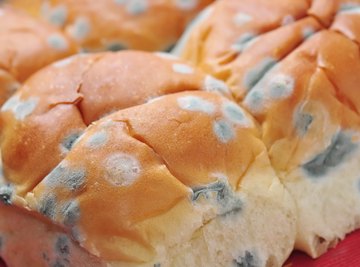
Mold is often found throughout food but only seen on its surface.

Mold is a type of fungus that grows in buildings and outdoors, especially on surfaces and food. Molds have a fuzzy appearance and can be white, orange, green or black.

  1. Description

    • In outdoor environments, mold breaks down dead organic substances. Mold spores travel through the air or move through animals or insects and attach to surfaces, according to an article by Chris Bishop for the American Environmental Health Foundation.

    Reproduction and Growth

    • Molds often reproduce asexually through spores. They can produce sexually through hyphae, thread-like growths that contain positive and negative strains. To grow and develop, mold needs organic material, such as leaves, plants, food and other materials.

    Environments

    • Mold needs to be in a moist environment, with a water source, to survive, which is why it often grows in damp areas of a home. Most molds tend to thrive in warm and/or humid places, such as bathrooms, saunas, greenhouses or flower shops, according to the Centers for Disease Control and Prevention.

    Health Problems

    • People with asthma, sinus problems, allergies and/or other respiratory problems may develop worsened conditions because of mold exposure. Some people develop a runny nose, a cough, sneezing, shortness of breath, eye irritation and/or a rash as a result of mold exposure.

    Prevention and Control

    • There is no way to completely get rid of mold and/or mold spores. You can keep mold from growing and/or further developing by using water and detergent or bleach to clean mold growth on surfaces; keeping the relative humidity in your home below 60 percent; running a fan or air conditioner and/or opening doors and windows and fixing leaky faucets or pipes.

Related Searches:

References

Resources

  • Photo Credit fungus on ortaniques image by GeoM from Fotolia.com

You May Also Like

  • Bread Mold Fun Facts

    If you've ever forgotten about a loaf of bread in your pantry or cupboard, chances are there will be mold covering the...

  • Lawn Fungus Sprays

    Lawn Fungus Sprays. Lawn grass is susceptible to various fungi that can ruin the look of the lawn and lead to serious...

  • What Is the Orange Stuff on the Wall of a Bathroom Shower?

    When the first signs of any orange stuff growing on the wall of your bathroom shower appear, immediate action should be taken...

  • Safety Masks for Asbestos & Mold

    During home improvement projects, two of the most dangerous materials a person might encounter are mold and asbestos. It is important that...

  • Acrylic Plastic Facts

    Acrylic plastics find their way into everything from paints and plumbing fixtures to windshields and dental cement. Webster's Online Dictionary uses the...

  • Food Mold Facts

    Sometimes, people find moldy food in their kitchen, whether it's bread that didn't get used fast enough or forgotten leftovers sitting in...

  • Facts on Bread Mold

    If left in a warm, dark and moist environment, bread may grow mold. Common bread molds are fuzzy and appear black or...

  • How to Cure Nasal Fungus

    Having a stuffy nose is uncomfortable no matter what the situation, and getting a cold or flu can cause breathing problems for...

  • Types of White Fungus on Citrus Fruits

    Types of White Fungus on Citrus Fruits. Several types of fungi specifically attack citrus fruit, including lemons, grapefruit and limes. These fungi...

  • How to Remove Mold From an RV Awning

    An RV--also known as a recreational vehicle--allows you to take a different approach to your vacation. Many RVs come equipped with an...

  • Information on Mold & Mildew

    Mold and mildew grow in damp, warm areas that have poor air circulation, such as basements and closets. They can also grow...

  • Information on Mold Growth on Bread

    No matter what kind of bread you eat, if you leave it out under normal conditions, it's almost certain to sprout fuzzy...

  • Fun Facts About Starburst Candy

    eHow Food, Rachael Ray and her Buddies want to show you how to get more out of every day, every meal and...

  • Fungus Facts

    Fungi are multicellular organisms belonging to the eukaryote domain, a biological classification that also includes plants, animals and protists. Fungi includes ...

  • What Makes Food Mold?

    According to the U.S. Department of Agriculture, once mold spores settle on food, their root threads invade it, and stalks rise above...

  • Interesting Facts About Plaster of Paris

    Plaster of Paris, a quick-setting, bright-white plaster, is an extremely useful and versatile substance. It is featured in our homes as architectural...

  • What Are the Causes of Brown Mold in Homes?

    Mold, also referred to as mildew, is a type of microscopic fungus that thrives in damp places. Mold frequently appears brown, gray,...

  • Mold on Outdoor Plants

    Mold on your outdoor plants is not necessarily just a cosmetic issue. This infection can kill your plants and even invade your...

  • Information on Mold Removal in Homes

    The undeniable hazards that household mold presents to many people has led to an increased interest in the methods used for mold...

Related Ads

Featured