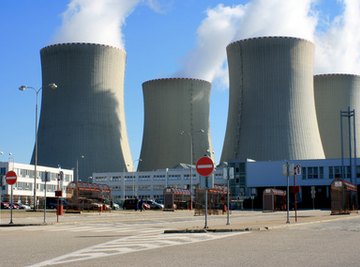
Nuclear energy comes from the energy stored in the nucleus (core) of an atom. This energy is released through fission (splitting atoms) or fusion (merging of atoms to form a larger atom). The energy released can be used to generate electricity.
Fossil fuels—which mainly include coal, oil and natural gas—fill the majority of energy needs around the globe. Generation of electricity is one of the predominant uses of fossil fuels. But this resource is limited.
Generating Electricity
Nuclear energy can be released by splitting a uranium atom in the process of nuclear fission. The nucleus of an atom is made of protons and neutrons. When the nucleus splits, it releases energy in the form of heat. Some neutrons are also released in the split. These neutrons might split other nuclei, releasing more heat and neutrons. This fission reaction produces carbon-free clean energy.
Fossil fuels were formed from the organic remains of prehistoric plants and animals. These remains, which are millions of years old, were converted by heat and pressure in the earth's crust into carbon-containing fuels. They are then converted into thermal energy through combustion, which produces significant greenhouse gas and CO2 emissions
Both nuclear and fossil fuel power plants produce electricity the same way. The heat generated in these plants is used to generate steam by heating water. This steam drives a turbine, which powers a generator that converts mechanical energy to electrical energy.
Emissions: Nuclear Power vs Coal Power
Nuclear energy is cleaner while generating electricity. Nuclear fission produces energy without releasing greenhouse gases such as carbon dioxide. However, nuclear power plants generate radioactive waste, a critical factor when doing a fossil fuel to nuclear power pollution comparison.
In a nuclear power vs coal power comparison, however, consider that combustion of fossil fuels releases carbon dioxide into the atmosphere. In fact, 90 percent of the carbon emissions from electricity generation in the United States come from coal-fired power plants. They emit pollutants such as sulfur dioxide, toxic metals, arsenic, cadmium and mercury.
Efficiency and Reliability
A pellet of nuclear fuel weighs approximately 0.1 ounce (6 grams). However, that single pellet yields the amount of energy equivalent to that generated by a ton of coal, 120 gallons of oil or 17,000 cubic feet of natural gas, making nuclear fuel much more efficient than fossil fuels.
In addition, nuclear power plants operate more reliably than other power generation facilities. In 2017, nuclear plants worked at full capacity 92% of the time. For comparison, consider the operating times for other energy-generating sources: coal plants (54%), natural gas plants (55%), wind generators (37%) and solar plants (27%).
Dangers and Safety Concerns
Nuclear energy production is somewhat notorious for disasters on the scale of Chernobyl Fukushima, and Three Mile Island in New York, and the failures in nuclear reactors in these scenarios were significant. However, when compared to the daily toll that fossil fuel usage takes through air pollution, safety concerns, and future damage from climate change, the safety and health concerns of nuclear power are minute. Nuclear energy is actually similar to renewable energy sources, like solar and wind, in terms of casualties per gigawatt of energy produced.
The popular and political concern around nuclear energy has led to the United States decommissioning many nuclear power stations, but some countries like France are still heavily invested in the long term support and electricity production of nuclear technologies. It is a low-carbon, energy efficient, and largely sustainable source of electrical power.
Nuclear waste still poses a significant challenge in any energy transition because increased
Availability of Resources
Uranium is one of the most abundant energy sources on Earth. Uranium can be reprocessed and used again, one of the advantages of nuclear energy over fossil fuels. Fossil fuels, on the other hand, are non-renewable. There has been a steep decline in the energy reserves because of people’s dependence on fossil fuels.
Costs: Nuclear Energy vs Fossil Fuels
Cost is important when considering the pros and cons of nuclear energy vs fossil fuels. While the operating costs for nuclear power plants exceed the cost of other electricity-generating power sources, the total cost is less than most. The average total cost of electricity generation includes operations, maintenance and fuels. Costs are reported in mills per kilowatt-hour where one mill equals $0.001 or one-tenth of a U.S. cent.
Average total costs in mills per kilowatt-hour reported for 2017 are, in order of increasing cost, 10.29 for hydropower (including both conventional hydroelectric and pumped storage hydroelectric plants), 24.38 for nuclear power, 31.76 for gas turbine and small scale (defined as gas turbine, internal combustion, photovoltaic or solar and wind power plants) and 35.41 for fossil steam plants.
These costs do not include the accrued collective cost from greenhouse gas emissions and climate change caused by continued use of fossil fuels. These impacts are harder to quantify, but they will certainly go on to impact billions. Sustainable energy must be the path forward to combat climate change.
Future of Energy Generation
Fossil fuel sources are gradually declining, leading to a potential global scarcity of energy. Nuclear power plants already provide energy in thirty states. With two new plants approved and about 18 applications to build new plants under consideration by the U.S. Nuclear Regulatory Commission in 2018, nuclear power plants may fill that energy need in the United States.
References
- Massachusetts Institute of Technology: The Future of Nuclear Power
- U.S. Department of Energy: The Ultimate Fast Facts Guide to Nuclear Energy
- U.S. Energy Information Administration: Table 8.4. Average Power Plant Operating Expenses for Major U.S. Investor-Owned Electric Utilities, 2007 Through 2017 (Mills per Kilowatthour)
- U.S. Department of Energy: Fossil
About the Author
Debashree Sen is a technical writer and has written for non-profit organizations. She has been regularly contributing to eHow since 2009. She is a member of the Society for Technical Communication (STC). She has a master's degrees in professional writing and English literature.
Photo Credits
nuclear power station 4 image by Vitezslav Halamka from Fotolia.com