Meteorologists use a wide variety of different instruments to measure weather conditions, but many of these weather instruments fall into relatively common, overarching categories. Thermometers, for instance, come in traditional liquid-in-glass forms and newer electronic forms, but both measure temperature in Celsius and Fahrenheit. Other instruments measure aspects of weather like rainfall, pressure, humidity, wind direction, and wind speed. These instruments and measurements allow meteorologists to make predictions on weather conditions in the near future.
Weather stations are strategically positioned collections of many instruments. The provide crucial information for meteorology and weather forecasting. Stations often have many types of weather instruments that are all chosen to provide an accurate and expansive survey of the current weather conditions. To provide even more real time measurements hundreds of weather balloons are launched across the world every day; they float thousands of feet into the atmosphere carrying meteorological instruments to measure wind conditions, air temperature, and pressure in the sky. Because weather is so complicated, it helps to have as much data from very different altitudes and locations.
Daily Temperatures
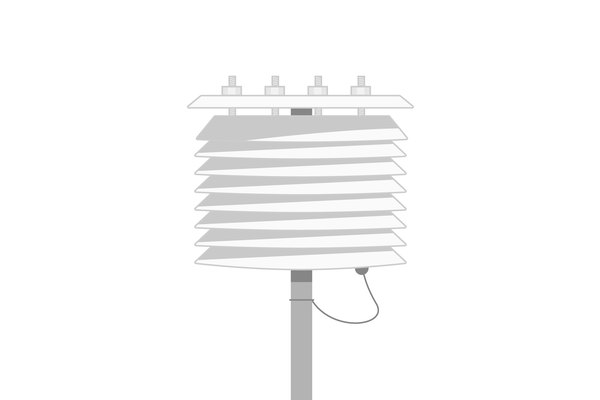
A thermometer measures the high and low outdoor temperatures in degrees Fahrenheit and degrees Celsius. Meteorologists first used liquid-in-glass thermometers in the late 1800s, but they now use electronic maximum-minimum temperature sensor systems more frequently. The newer systems use an electronic temperature sensor to measure and record high and low temperatures.
Atmospheric Pressure
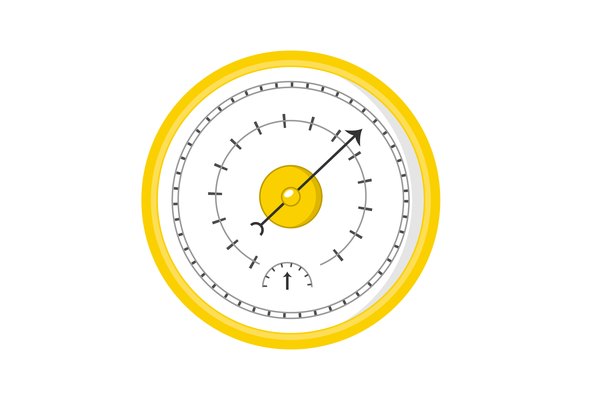
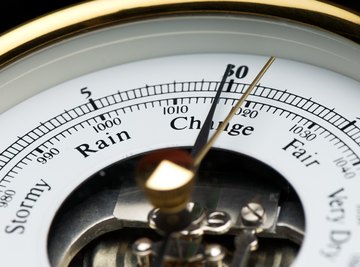
Barometers measure atmospheric pressure (sometimes also called barometric pressure), providing the measurement in millibars. Under most conditions, high and rising pressure indicates sunny weather, while low and falling pressure indicates approaching rainy storms. The traditional aneroid barometer first appeared in the 1840s. The micro-barograph also measures air pressure but records its continuous measurements on paper. There are many varieties of digital barometers and more analog measurement tools to measure atmospheric pressure.
Humidity Sensors
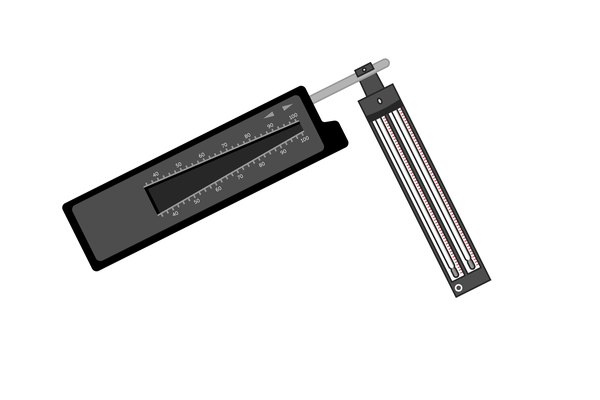
Hygrometers measure temperature and humidity using degrees Celsius and degrees Fahrenheit. One type of hygrometer, called a sling psychrometer, uses one dry and one wet bulb thermometer to measure the relative humidity, or amount of water vapor, of the air. Some older hygrometers used a sheaf of hair, which increases in length as relative humidity increases.
Wind Speed
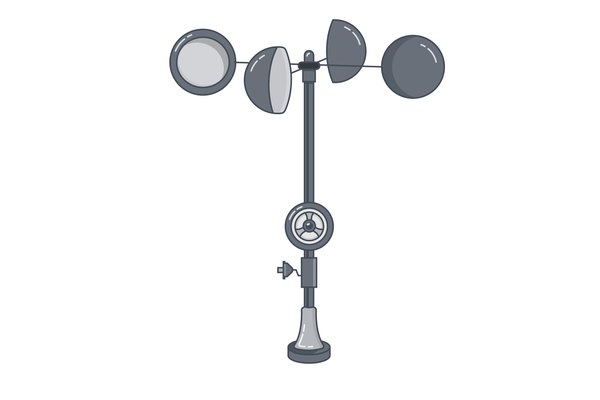
Anemometers measure the direction and speed of wind in miles per hour. A common type of anemometer has three cups fixed to a mobile shaft. As the wind blows faster, the cups spin around faster. The actual speed of the wind shows up on a dial. Another type of anemometer uses a propeller instead of cups to accomplish the same function.
Wind Vane
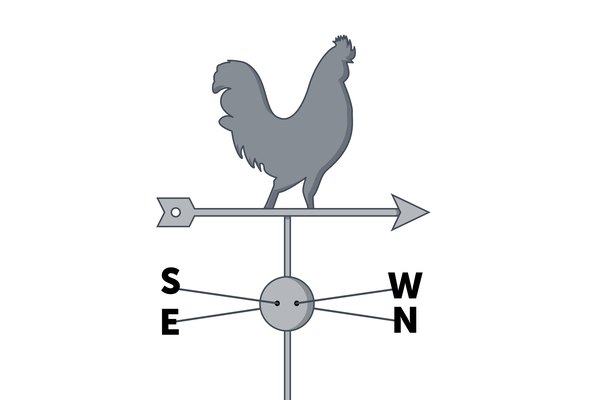
A wind vane, also called a wind sock, measures the direction of the wind at any given point in time. A weighted arrow spins around a fixed shaft and points north, south, east or west, typically marked on separate fixed shafts parallel to the arrow.
Rain Gauge
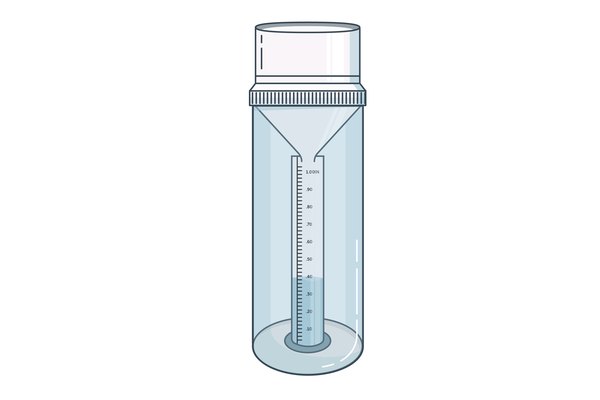
A rain gauge measures the amount of rainfall. The standard rain gauge consists of a long, narrow cylinder capable of measuring rainfall up to 8 inches. Many rain gauges measure precipitation in millimeters, or to the nearest 100th of an inch. Other gauges collect the rain and weigh it, later converting this measurement into inches. There are also snow gauges designed to accurately measure snowfall.
Hail Pad
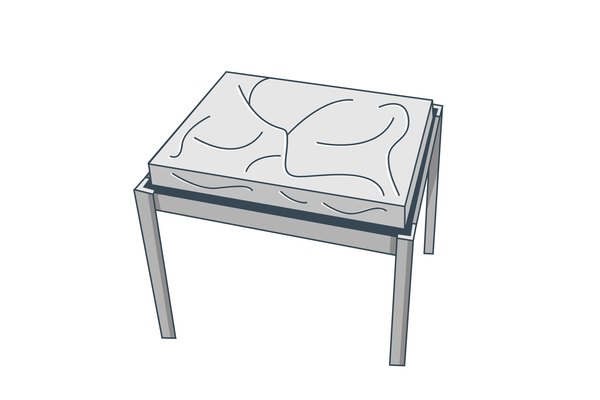
Hail pads measure the size of hail that falls during a storm. A standard hail pad consists of florist's foam and aluminum foil. The falling hail strikes the foil and creates dimples for the observer to measure after the storm.
Campbell Stokes Recorder
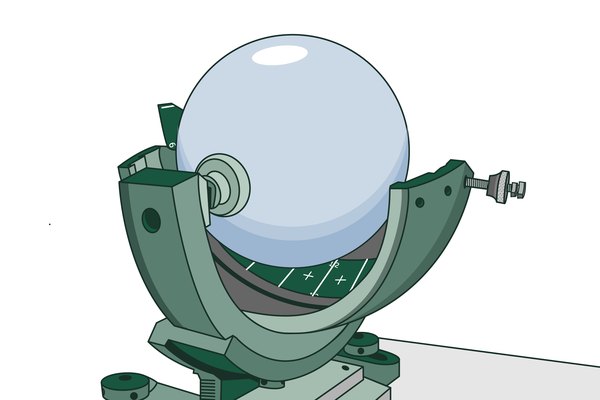
The Campbell Stokes Recorder measures sunshine. Sunlight shines into one side of a glass ball and leaves through the opposite side in a concentrated ray. This ray of light burns a mark onto a thick piece of card. The extensiveness of the burn mark indicates how many hours the sun shone during that day.
References
Resources
About the Author
Caitlynn Lowe has been writing since 2006 and has been a contributing writer for Huntington University's "Mnemosyne" and "Huntingtonian." Her writing has also been in "Ictus" and "Struggle Creek: A Novel Story." Lowe earned her Bachelor of Arts degree in English from Huntington University.