Solar energy is a form of energy from the sun. Like electricity and gas, solar energy can also be used as power. Solar energy has been used to cook food, power vehicles, power homes, and is totally free and renewable. Unlike other types of energy, the sun won’t ever run out.
Solar Energy
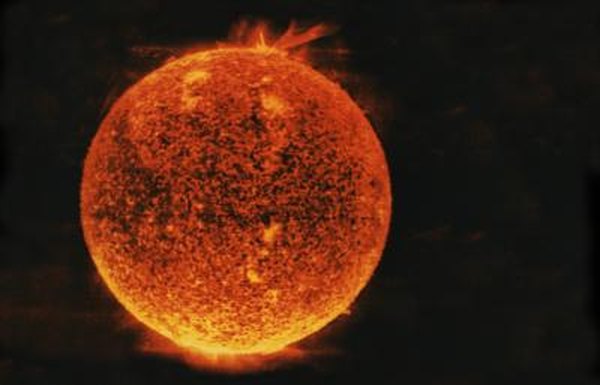
Solar energy is energy taken from the sun that is converted into electrical or thermal energy. Solar energy is also used by plants to create photosynthesis.
Solar Batteries

Because the sun sets and it’s not always sunny outside, solar batteries can help store the energy from sunlight. At night or on cloudy days, the batteries can discharge their energy and you can continue to benefit from solar energy.
Solar Cells
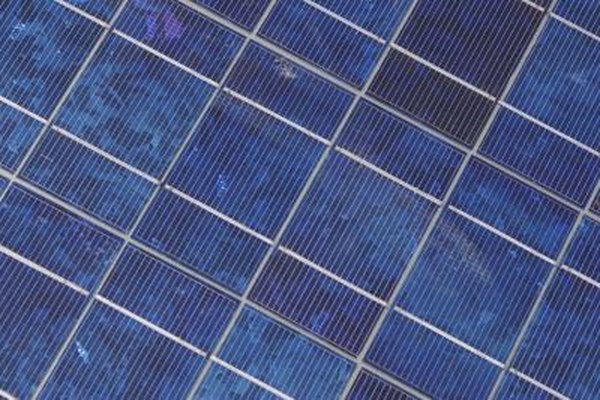
Solar cells are little devices that make up solar panels. They take the energy from sunlight and convert it into electricity.
Uses
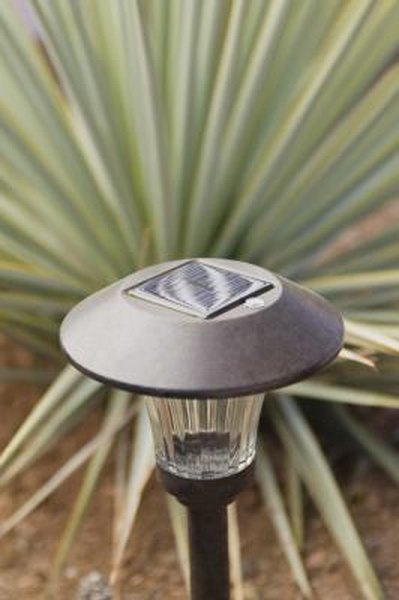
You can find solar panels on road side emergency equipment, call boxes, street lights, and on some calculators. The solar cells are easy to spot by their black rectangular film.
Solar Energy Plants
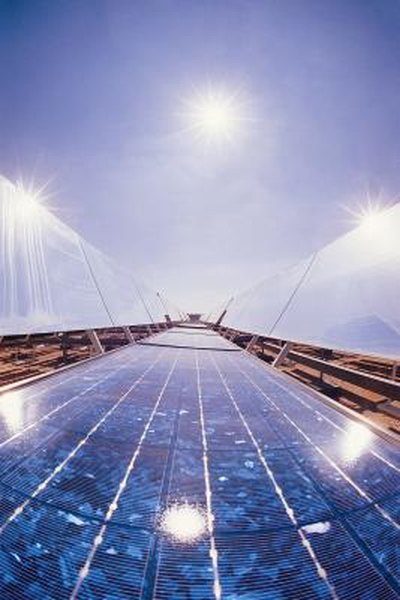
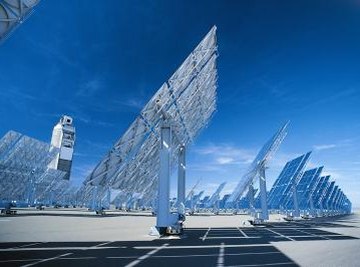
Solar energy plants are found where there is a high concentration of unobstructed sunlight. The photovoltaic solar energy plant scheduled for completion in 2011 at Deming, New Mexico, will be 300 megawatts; 15 times larger than the largest solar power plant in the world.
References
About the Author
David Kennedy attended Purdue University in West Lafayette, Indiana. After graduating with a Bachelors of Arts in creative writing, he has continued his writing career through online freelance work with Demand Studios. Kennedy writes informational articles related to health, medicine, industry, computers and education.
Photo Credits
Digital Vision./Digital Vision/Getty Images