
All levels
|
4 min 52 sec
|
04:52
|

Taught by Elke Bergeron
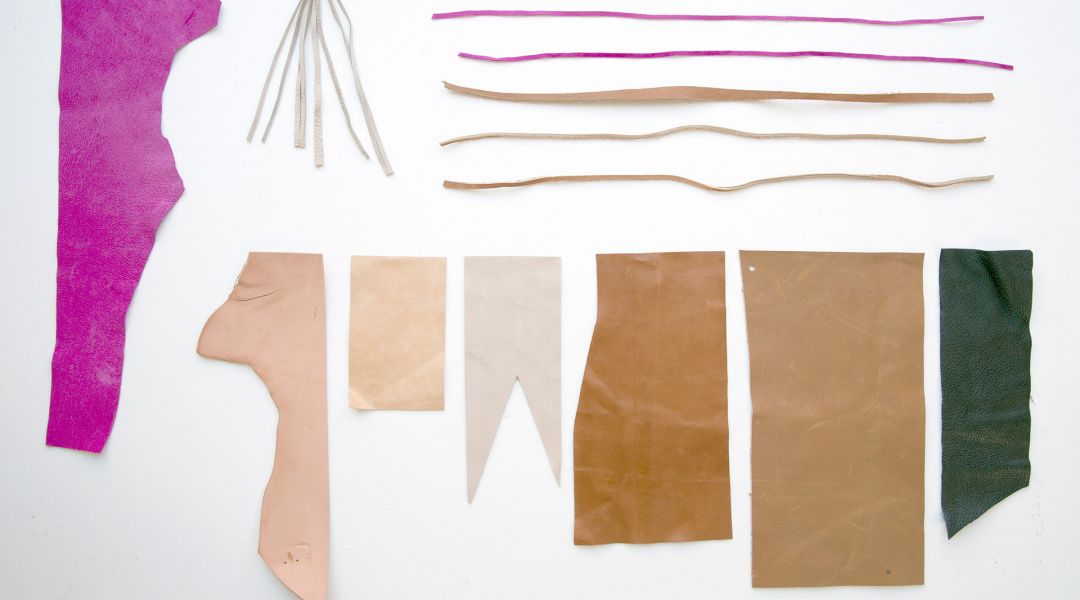
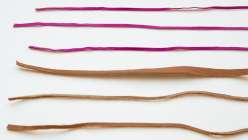
This quick video provides an overview of different types of leather, which can be helpful to understand before you embark on a leather sewing or craft project. Handbag and jewelry designer, Elke, discusses the unique qualities of leather and what to look for when you’re shopping. From sturdy vegetable tanned leathers to soft, supple cow hides, Elke dishes on the ideal uses for different types of leathers and how to successfully work with them.
Learn how to:
Identify different types of leather
Choose the right leather for your project
Successfully work with leather
What you’ll get:
Detailed class teaching the basics of leather
1 HD video lesson you can access online anytime, anywhere
Itemized supply list
Step-by-step instruction by expert instructor and designer Elke Bergeron
The ability to leave comments, ask questions and interact with other students
Identify different types of leather
Choose the right leather for your project
Successfully work with leather
What you’ll get:
Detailed class teaching the basics of leather
1 HD video lesson you can access online anytime, anywhere
Itemized supply list
Step-by-step instruction by expert instructor and designer Elke Bergeron
The ability to leave comments, ask questions and interact with other students
Member Gallery
Browse members' projects from this class and share your own work! Learn how to take great photos here.
Load More
Transcript
Notes
Your timecode tags and notes for this section
Leather Basics Reviews
578 users recommended this class to a friend

Denise Farley
Helpful
March 13, 2024

Margarida Santos
It is very useful for identifying types of leather, as until now I didn't know how to buy it.
March 12, 2024
Carolyn Waken-Hall
Interesting. Thank you
February 29, 2024
Related Classes