

Plants are the producers of the Earth’s ecosystem. They are autotrophic, that is, they produce their own food through photosynthesis. They are also an important part of earth's hydrological cycle. Plants help to maintain environmental balance through photosynthesis. In order to perform photosynthesis, plants need raw materials such as carbon dioxide and water.
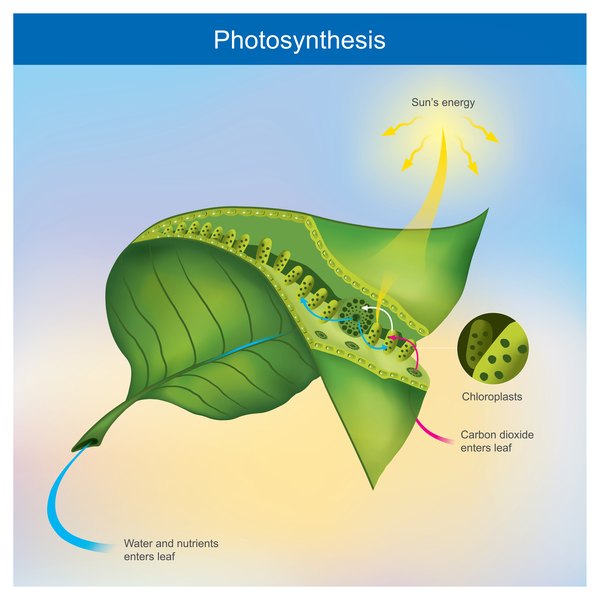
Plants convert carbon dioxide into sugar and oxygen in the presence of sunlight. Plants store their sugar in the form of starch, which is used for growth and maintenance. Another essential factor necessary for plants to grow is soil. Air, water, sunlight, soil and warmth are the five things that plants need to grow.
Five Things Plants Need to Grow: Air
Plants need carbon dioxide from air to perform photosynthesis. About 0.03 percent of air consists of carbon dioxide, which is released in the air by respiration of animals, combustion of fossil fuels and decomposition of waste matter.
Carbon dioxide enters the plant through the stomata, which are small openings on their leaves. Plants convert the absorbed carbon dioxide into starch, oxygen and water during photosynthesis; thus, plants absorb carbon dioxide and release oxygen, improving air quality.
Water
Water is an extremely important factor essential for the survival of plants and has the same function in plants as blood in animals. It acts as a transportation medium in plants to bring food to different parts of the plant. Plants also use water to maintain their temperature.
Plants use their root hairs to absorb water from soil. They eventually lose moisture by a process called transpiration, which is the loss of water from the surface of stems and leaves in plants.
The rate of transpiration depends on weather conditions, increasing in warm weather and decreasing in cold weather. The water vapor produced at the end of photosynthesis is released into the air through their stomata. When stomata remain open, the rate of transpiration increases.
Water keeps plants turgid and helps them maintain their structure and rigidity. Lack of sufficient water causes droopiness or wilting in plants. However, excess water can also cause wilting.
Sunlight
Plants cannot perform photosynthesis in the absence of sunlight. If photosynthesis does not occur, plants cannot prepare starch, and they eventually die.
Autotrophic plants contain a green pigment called chlorophyll, which is necessary for photosynthesis. Chlorophyll traps heat from sunlight and initiates photosynthesis.
Soil
Plants grow in fertile and nutrient-rich soil. Plants cannot grow in infertile soil because there are no nutrients for the plant to feed on, so there is nothing to promote growth and maintenance of the plants. Depending on their habitat, different plants require different types of soil to grow. For instance, cactus grows well in sandy soil. Each soil type differs in its nutrient content and water-retention capacity.
Decomposition of fallen leaves, animal and bird droppings, and dead animals and birds enrich the soil with organic matter. This replenishes the nutrient content of the soil periodically. When cultivating plants for agriculture and indoor use, people often add fertilizers or compost to soil to increase its nutrient content.
Warmth
Plants can grow well in an optimum temperature range. Weather that is colder than plants can handle slows down life processes in those plants and causes them to eventually wither away. Plants adapt their physiology and morphology according to their habitat by developing adaptations. For example, coniferous trees have adapted themselves to grow in cold climates. Similarly, desert plants such as cactus have adapted themselves to thrive thrive at high temperatures.
Appropriate temperatures help plants maintain their growth processes at an optimum level. The right range of temperatures affects transpiration and helps plants to maintain their water content.
References
About the Author
Kavita Naik is a freelance writer and instructional designer. She holds Bachelor of Science in Zoology. She has edited life science research papers for several major scientific journals. She has years of experience in designing and developing learning solutions for educational as well as professional purposes. She has also created Common Core-compliant curriculum.
Photo Credits
Comstock Images/Comstock/Getty Images