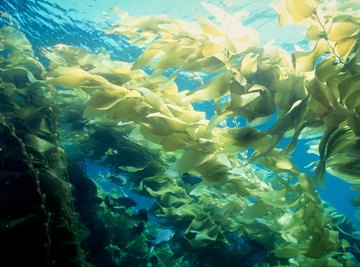

What is Photosynthesis?
Photosynthesis is a biological process by which energy contained within light is converted into chemical energy of bonds between atoms that power processes within cells. It is the reason why Earth's atmosphere and seas contain oxygen. Photosynthesis occurs within a variety of single-celled organisms as well as in plant cells (in specialized organelles called chloroplasts). There are two stages of photosynthesis: the light reactions and the dark reactions.
Photosynthesis Requires Pigments

Pigments are chemicals which reflect certain wavelengths (colors) of light but not others. Because different pigments reflect different wavelengths, this gives flowers a variety of color combination. Additionally, seasonal changes in the relative synthesis of different pigments accounts for color changes in leaves during the autumn.
Chlorophyll
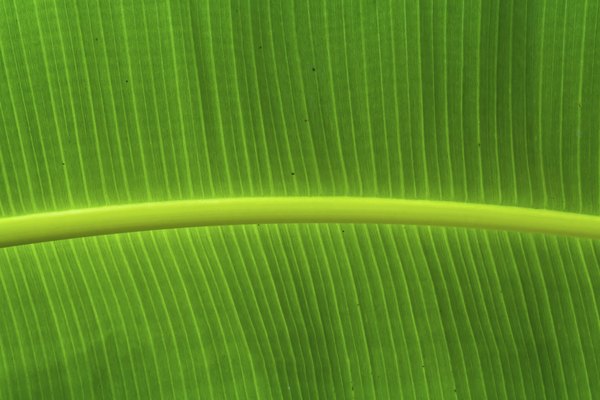
The pigments are vital components of the machinery of photosynthesis, the most important pigment being chlorophyll. Chlorophyll is a big molecule which captures energy from sunlight and converts it to high energy electrons. This happens during the light reactions of photosynthesis, while the high energy electrons are used subsequently during the dark reactions in the synthesis of the sugar glucose. Pigments other than chlorophyll include carotenoids (which are red, yellow and orange) and phycobilins. Phycobilins include phycocyanin, which imparts a bluish color to "blue-green algea," also known as "cynanobacteria," and phycoerythrin, which gives a reddish color to red algae.
References
About the Author
David Warmflash is an astrobiologist-writer, with a passion for communicating science to the general public. He serves as lead investigator for the Living Interplanetary Flight Experiment (LIFE), a Planetary Society-sponsored project, scheduled for launch in 2011 on the Russian Space Agency's Phobos-Grunt probe. Additionally, he is fascinated with ancient history.
Photo Credits
jeffrey waibel/iStock/Getty Images