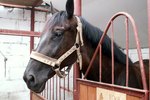
Horses, like humans, often benefit from a chiropractic adjustment. Typically equine chiropractic work is not a full-time job, but is done in collaboration with a similar career, such as equine medicine or human chiropractic, according to the Education Portal website.
Types
Little information is available on the specific salary of equine chiropractors, as most equine chiropractors use equine chiropractic as part of a career in veterinary medicine or human chiropractic. According to the Bureau of Labor Statistics website, equine veterinarians make an average of $41,636 a year, as of 2008, while chiropractors average $66,490 a year.
Hourly Rate
Most equine chiropractors are licensed veterinarians or human chiropractors. Each type of equine chiropractor receives a different salary, based on his qualifications and regional location. As equine chiropractic services are typically not full-time positions, Bureau of Labor Statistics (BLS) data show that an equine-exclusive veterinarian may expect to make around $20 for an hour of chiropractic service, assuming a 40-hour work week, while a licensed human chiropractor may expect an average of $32 per hour of equine chiropractic service.
Considerations
While equine veterinarians and human chiropractors are the most common equine chiropractors, other types of veterinarians may wish to pursue part-time work in equine chiropractic. Large animal veterinarians treat horses, though not exclusively, and make an average of $62,424 a year, while veterinarians in mixed practices, seeing both large and small animals, average a yearly salary of $58,522, according to the BLS. The Salary Expert website also notes that animal-specific chiropractors may make between $45,905 and $112,602 in an average year, depending on location and experience.
References
Photo Credits
-
Successful_Nick/iStock/Getty Images
Writer Bio
Based in Florida, Mandi Titus has been writing since 2002. Her articles have been published on sites such as Goodkin, Go Green Street and Living the Healthy Way. She holds a Bachelor of Science in psychology from Stetson University.