
Epitavi/iStock/GettyImages
Go Ahead, Use Grandma's Collection
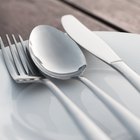
Sterling silver is a mix of 92.5 percent silver and a small amount of copper or other metal used in the crafting of fine materials, such as jewelry and fine tableware. Utensils, tea sets and silver trays are among the traditional sterling silver pieces used for dinner parties and intimate gatherings. If you are the proud owner of any of these fine sterling silver pieces, using them to serve your guests is perfectly acceptable as long as you steer clear of foods that harm the metal.
Foods Containing Sulfur
To keep your sterling silver looking its best, avoid using it to serve onions, eggs or any foods that contain eggs, such as custards, mayonnaise and puddings. These foods stain when they come in direct contact with the silver. The staining is actually tarnish that forms when the sulfur in these foods combine with the silver, leaving a thin coating of silver sulfide on the surface. Since silver sulfide is black, the staining is dark.
Acidic Foods
Similarly, foods with high levels of acidity can affect the finish of your sterling silver pieces. You should avoid using them for high-acidity dishes such as tomato sauces, or for salads with acidic vinaigrettes based on vinegar or lemon juice. When you do serve acidic foods in your silver, rinse and wash them at your earliest opportunity after the meal.
Sterling and Salt
If you serve salt in a sterling silver shaker during dinner, empty the shaker as soon as your guests leave. Wash the shaker with a non-lemon-based soap and water to remove salt residues that corrode the silver and dry thoroughly with a cotton cloth. If you notice corrosion--black spotting--on the salt shaker, a 10-minute ammonia bath in a sealed container may remove it. Check the salt shaker every 10 minutes for up to 30 minutes. If the corrosion remains, have it cleaned professionally.
Post-Meal Cleanup
Sterling silver is too delicate for the harsh dishwasher environment. It is also easily scratched by scouring pads, steel wool and abrasive detergents. Wash your sterling silver serving pieces in non-lemon-based soap and warm water as soon as possible after use. Dry the sterling silver pieces immediately after washing with a 100-percent cotton cloth. Wrap the sterling silver in silver storage cloths and store it away for future use.
Silver Dips
Do not use chemical silver dips to clean tarnish or corrosion from your sterling silver. The chemicals used in these stain removers are toxic and may do more harm than good to you and to the silver, especially if the sterling silver pieces contain wood, bronze, bone or stainless steel accents. Silversmiths apply a silver enhancer that brings out the brilliance of the metal. Silver dips remove oxidation, taking away from the detail work that goes into each sterling silver piece.
Related Articles

How to Get Rust Out of Silver
How to Make Homemade Silver Jewelry ...

Jewelry & Skin Discoloration
How to Get Rust Off of a Silver Necklace

How to Clean Sterling & Turquoise ...
Information on Colloidal Silver Cream ...
Sealing Oxidation on Jewelry
Homemade Gold Jewelry Cleaner
How to Get the Stains Out of White ...
How to Use Colloidal Silver to Kill ...
How to Clean Turquoise & Silver Jewelry
The Best Way to Clean a Silver Chain
Denatured Alcohol Uses
How to Clean Vermeil
How to Clean Swarovski Jewelry
Silver Polish Ingredients

How to Wash Nomex
How to Remove Gold Plating
How to Get Nail Polish Off of Rings
How to Clean Sterling Silver & Opals
References
Writer Bio
Jonae Fredericks started writing in 2007. She also has a background as a licensed cosmetologist and certified skin-care specialist. Jonae Fredericks is a certified paraeducator, presently working in the public education system.