What Are Some Niches of Animals in the Arctic Tundra?

The animals of the Arctic live through freezing weather and manage to find shelter, food and safety, and carve out breeding periods, all in an area where many creatures would surely freeze to death.

  1. Polar Bears

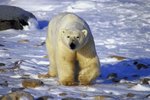
    • Though now considered by some scientists to be endangered, polar bears have adapted to their natural habitat in the arctic quite well. The bears rely heavily on seal meat to survive and have a unique way of catching them. A polar bear will wait by air holes dug in the ice for a seal to pop its head up for a breath; the polar bear then kills the animal quickly.

    Snowy Owls

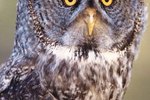
    • Snowy owls are large and beautiful birds of prey that live in the Arctic. A snowy owl's diet includes lemmings and other small animals. They may even take the occasional Arctic goose or small fox.

    Lemmings

    • Lemmings are small mammals that live in large groups. They make their homes under the snow to avoid predation and to protect them from the elements. Lemmings eat grasses, mosses, lichens and seeds. During the harsh Arctic winters, they will eat frozen plant matter.

    Arctic Foxes

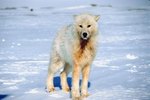
    • Arctic foxes are small canines that feed on small mammals and birds; they also take carrion when found. When hunting is good, an Arctic fox will bury excess kills in the snow. This works as a freezer for leaner times. Ravens often raid these stockpiles of food.

    Arctic Geese

    • Arctic geese are large and powerful animals. They, like the snowy owls, make their nests on the ground. This makes them vulnerable to attack from arctic foxes. To protect their young, these animals will actually build their nests close to another predator; the snowy owl. The danger from the owls is less than that of the foxes.

Related Searches:

References

  • Photo Credit "Out of the tundra..." is Copyrighted by Flickr user: bazylek100 (Robin & Bazylek) under the Creative Commons Attribution license.

Comments

You May Also Like

  • What Are Some Niches in the Tundra?

    The Arctic tundra is the most extensive form of this mostly treeless, cold-influenced landscape (much smaller alpine tundras crown some of the...

  • Arctic Tundra Endangered Animals

    Out on the frigid arctic tundra, survival is tough in the best of conditions. Due to loss of habitat and food sources,...

  • Alaskan Tundra Facts

    The word "tundra" translates to "treeless heights" and means ecosystems that have no trees and cold temperatures. Tundra exists in Alaska's northern...

  • What Are Some Plants & Animals That Live in the Arctic?

    What Are Some Plants & Animals That Live in the Arctic?. The Arctic is often described as one of the toughest places...

  • Ecosystems and Niche of the Chinchilla

    The domestic chinchilla is a rodent raised on farms and harvested for its thick, soft fur. The wild chinchilla is a hearty...

  • What Characteristics Would You Expect Tundra Animals to Have?

    The tundra is a biome characterized by permanently frozen subsoil, scientifically known as "permafrost." The Arctic tundra's annual average temperature is below...

  • Organisms in the Tundra

    The arctic tundra is actually the world's youngest biome, formed only 10,000 years ago. This vast land covers 20 percent of the...

  • Omnivores of the Tundra

    The tundra circumnavigates the North Pole and includes northern parts of Canada and the state of Alaska. It is a cold and...

  • List of Tundra Ecoregions

    Ecoregions are sizable areas of water or land that have similar climates and characteristic groups of natural ecosystems. Tundras are treeless areas...

  • What Is a Blue Poison Dart Frog Niche?

    The word niche refers to how a population of organisms fits into a specific environment. This can include the organism's habitat, food...

  • Omnivores That Live in the Tundra

    The Arctic fox (Alopex lagopus) is a small, grey or brown canine that lives in arctic regions on all sides of the...

  • Dangers in the Tundra

    Dangers in the Tundra. From the Finnish word for treeless or barren land, with its 10-to-14-week growing season, long dark cold winters...

  • How to Make a Deadfall Animal Trap

    Trapping animals is considered an effective practice among hunters. Many methods exist in trapping, including the snare pitfall, spring traps and deadfalls....

  • Five Biotic Factors on Tundra

    Biotic factors are the living components that affect organisms, such as animals that compete for an organism's food, human influence and the...

  • Good Names for a Newsletter

    Good Names for a Newsletter. With the rise of the Internet and digital publishing, it has become more appealing and more technologically...

  • Animal Related Jobs

    The universe of animal related jobs is vast and rapidly expanding. Traditional careers, like being a veterinarian, are finding new specialties, while...

  • What Are Some of the Plants in the Tundra?

    What Are Some of the Plants in the Tundra?. Tundra ecosystems stretch across the northernmost regions of North America, Europe, Asia, a...

  • Plants & Animals That Live in the Tundra

    Generally categorized as Arctic or alpine, tundra refers to a treeless biome that ranks among the coldest on Earth. Though covered in...

  • Animals & Plants That Are Endangered in the Tundra

    Animals & Plants That Are Endangered in the Tundra. The world's tundra regions are sparsely populated with human beings, but serve as...

Related Ads

Featured