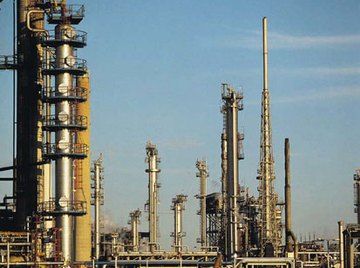

Industrial society is dependent on energy for its continued existence. In the early 21st century, the majority of this energy is acquired from nonrenewable sources, primarily fossil fuels. Researchers are making serious attempts to increase the productivity of renewable and inexhaustible sources of energy that can be used in place of fossil fuels.
Energy
Although the term "energy" is most frequently used to refer to electricity, fossil fuels and other technologies, in fact energy of one form or another is used whenever life is present. Humans create and use energy by eating food and performing work. By maximizing the efficiency of energy sources, humans can reduce the resources that are required and the pollution that is produced to meet their needs. Reducing needs and conserving energy are the most effective ways to reduce the amounts of energy that are required by society.
Renewable Energy Sources
Renewable energy sources include all sources that can provide energy without being depleted, as long as they are not used more quickly than they can regenerate. Wood constitutes a renewable energy source, but only if it is used at a rate that is equal to or less than its rate of regeneration. Other growing plants, such as hemp, corn and straw, can be used for biomass power creation and then grown again the next year.
Nonrenewable Energy Sources
Nonrenewable energy sources have a finite existence. Chief among these are oil, natural gas, coal and uranium for nuclear power. Although theoretically the first three substances will regenerate through the same geological processes that created the resources that now exist, this process will take millions of years and is therefore not relevant to current societal needs. Fossil fuels are being used at a rate millions of times faster than the rate at which they were produced, making them nonrenewable for all practical purposes. This is a serious problem because the infrastructure of industrial society is entirely dependent on oil and its derivatives.
Inexhaustible Energy Sources
Wind, solar and hydroelectric power provide energy from sunlight, air movement and evaporation (in the form of water that rises from the ocean, falls on the land, enters rivers and subsequently passes through the turbines in dams). These processes will continue as long as there is weather on planet Earth, meaning that energy can be gained from them forever. Energy that is gained from geothermal technology is also effectively inexhaustible, because it uses the warmth of the planetary core. Inexhaustible energy sources differ from renewable energy sources because they won't be used up under any conditions.
References
About the Author
Jagg Xaxx has been writing since 1983. His primary areas of writing include surrealism, Buddhist iconography and environmental issues. Xaxx worked as a cabinetmaker for 12 years, as well as building and renovating several houses. Xaxx holds a Doctor of Philosophy in art history from the University of Manchester in the U.K.
Photo Credits
Stockbyte/Stockbyte/Getty Images