Wrapping your stomach in plastic wrap to lose weight is not only ineffective, it's also potentially dangerous.
If your body runs out of other sources of fuel, it will start to use muscle tissue for energy..
Waist sizes aren't as slim as they used to be.
A healthy appetite can serve as a positive sign of wellness.
If the bowels are injured, inflamed or parts need to be removed due to cancer, a colostomy may be necessary.
Conjugated linolenic acid, or CLA, is a type of fatty acid naturally found in certain foods.
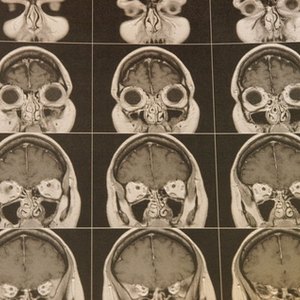
Brain atrophy is shrinking of the brain caused by the loss of its cells, called neurons.
Water makes up a large part of the body, and is essential for your survival.
According to the Body Type system, founded by Dr.
A 5,000-calorie-a-day diet is sure to pack on the pounds.
There are a variety of reasons people eat too few calories, including eating disorders, excessive athletic training, crash dieting and even senior citizens with reduced appetites..
A sauna is a type of heat bath that uses dry heat to create very high temperatures and induce heavy perspiration.
Ephedrine is a drug similar in structure to amphetamines.