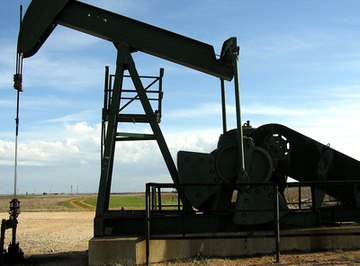
Oil is a commodity in high demand. While most people would not argue about oil's importance, whether or not we should access and extract oil from below the earth's surface is a subject of frequent debate. Drilling for oil, both on land and at sea, can have a number of effects on the environment.
Oil Spills at Sea
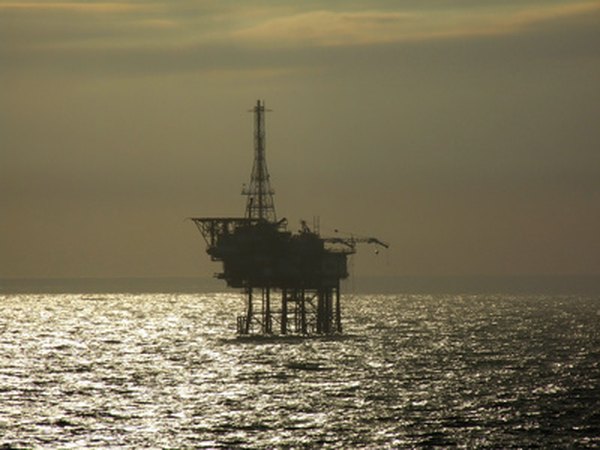
As the recent leak in the Gulf of Mexico demonstrated, deep-sea drilling has the potential of exploding, leaking or spilling oil into the ocean. Accidents while transporting oil may also dump oil into the sea. Oil spills have a devastating effect on the environment, ruining habitats and killing the organisms that live there by sticking to them, destroying their food sources and poisoning them. Additionally, oil hurts the economy by harming the fishing industry, as well as other trades that rely on the ocean.
Disruption of Habitats
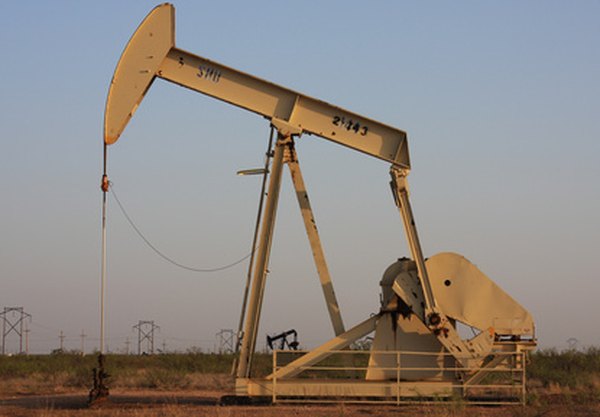
Drilling for oil, both on land and at sea, is disruptive to the environment and can destroy natural habitats. Additionally, pipes to gather oil, roads and stations, and other accessory structures necessary for extracting oil compromise even larger portions of habitats. In Alaska, drilling could interfere with the area in which animals such as polar bears give birth, which could lead to a decrease in their already dwindling population. Luckily, new advances, such as satellites, global positioning systems and seismic technology help researchers find oil reserves before drilling, leading to the drilling of fewer wells. With technology, wells also tend to be smaller than they once were.
Beached Whales
While seismic technology can decrease the damage done to marine habitats, its use can hold severe consequences for deep-sea life. Unfortunately, there is a correlation between seismic noise and an increase in beached whales. It appears that seismic noise can disorient whales and other marine mammals, causing them to beach themselves. The death of whales is not only sad, but can also impact the delicate web of marine life.
From Rigs to Reef
While extracting oil has many effects on the environment, not all of them are bad. After a deep-sea well is no longer profitable, the well is plugged, and the rig turned over, allowing it to become a reef. These reefs become home to a variety of marine organisms.
References
About the Author
Lauren Griffin began writing professionally in 2010. Her articles appear on various websites, specializing in academics, food and other lifestyle topics. Griffin attended Columbia University and holds a Bachelor of Arts in psychology.
Photo Credits
pumpjack image by Empath from Fotolia.com