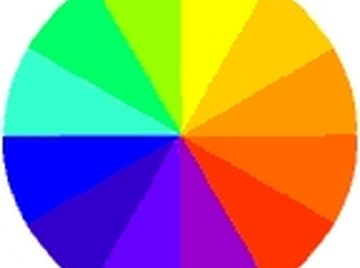

Color theory is an exciting concept that can be sometimes overwhelming to kids. By making lessons fun when learning color theory, children are able to explore the concept of color theory comfortably and enjoy creating a colorful project.
The Rainbow
A rainbow is a fun way to introduce color theory to children. Rainbows are created when light is refracted through water, producing a recognizable arch of the colors red, orange, yellow, green, blue and violet. Create rainbows by spraying water with a spray bottle by a sunny window.
Coloring a Rainbow
Use a large sheet of white paper positioned lengthwise. Draw seven arched lines using a black crayon that curve toward the top of the paper and end on the bottom of the page. With watercolor paints, paint in the colors of the rainbow. When finished painting in the rainbow, add the sky and ground to the painting.
The Primary and Secondary Colors
The primary colors are used to create all other colors. They are red, yellow and blue. These three colors are unable to be created through mixing of any other colors. By mixing the primary colors together, they create other colors, such as the secondary colors, which are green, orange and violet.
Hand Mixing Colors
Finger painting is a fantastic way to experience mixing the primary colors. Use a large sheet of finger paint paper, making sure to wet paper before starting. It is a good idea to do this project on an area that can be easily cleaned, such as a kitchen counter top. Place a small amount of each primary color finger paint on the finger paint paper. Mix the colors together with hands to see what colors are created. Add more paint as needed to fill the entire paper with colors. Allow the paper to dry and then label all the colors created. Try to find all the primary and secondary colors.
Warm and Cool Colors
Warm colors are considered red, yellow and orange. These are colors associated with heat and the emotions excitement, anger and frustration. Cool colors are blue, green and violet. The cool colors are associated with cold things, like ice, and feelings such as sadness, comfort and calm.
Emotional Self-Portrait
Create a sketch of your face showing an emotion. Using only the set of warm or cool colors that fits your emotion, paint the self-portrait. Use white and black as accent colors by adding outlines or highlights to finish the painting. When the painting is finished, write the emotion on the bottom of the painting, along with the colors used.
References
About the Author
Sarah Lipoff has been writing since 2008. She has been published through BabyZone, Parents, Funderstanding and Education.com. Lipoff has worked as a K-12 art teacher, museum educator and preschool teacher. She holds a Bachelor of Science in K-12 art education from St. Cloud State University.
Photo Credits
http://www.colormatters.com