
Many of the products we use every day are the result of distillation, from the gasoline that powers our cars to the water we drink. Distillation is a physical process that uses heat to purify or separate mixtures containing one or more liquids. As a mixture is heated, the liquid with the lowest boiling point will boil and turn into vapor, leaving behind any solid material or other liquids. The vapor is captured and cooled until it condenses, resulting in a purified version of the liquid.
Scientific Uses
One practical use of distillation is in the laboratory. While the results of this type of distillation may not find their way directly into our homes, the process is used regularly in chemical and pharmaceutical research, quality assurance testing for many consumer products and law enforcement forensics.
Water Purification
Water from natural sources contains a variety of minerals and other impurities, many of which can be removed by distillation. Distilled water is commonly used in situations where the presence of minerals might reduce the effectiveness of certain equipment, such as in steam irons or cigar humidors. Some people drink distilled water because they like the taste or want to avoid the minerals found in tap water. Parents will often use distilled water when preparing baby formula for their infants. Desalination plants also use distillation to turn seawater into drinking water
Alcoholic Beverages
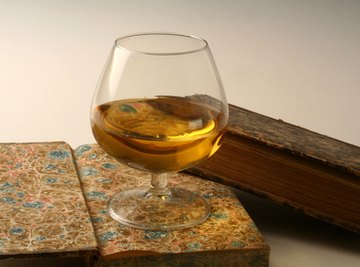
Distillation is used to produce a variety of alcoholic beverages, such as whiskey, rum and brandy. When fruit and plant materials ferment, a dilute version of ethyl alcohol is produced. Distilling the fermented material purifies and concentrates the ethanol. A variety of other components, such as water, esters and other types of alcohol, are also collected during the distillation process, which accounts for the unique flavor of each alcoholic spirit.
Petroleum Products
A number of products can be produced from crude oil. Because each of these products has a unique boiling point, a process known as fractional distillation is used to refine oil into separate materials. These include:
- gasoline
- diesel fuel
- lubricating oil
- fuel oil
- paraffin wax
- petrochemicals
Perfume
One of the earliest uses of distilling was to make perfume, which began around 3500 B.C. The aroma from various plants and herbs is contained in what are known as essential oils, which can be extracted through distillation. However, many aromatic plants tend to decompose at high temperatures so separation by normal distillation isn’t practical. In those instances, steam is passed through the plant material to draw out the essential oils without burning the mixture. The steam is then captured and condensed just as in normal distillation.
Food Flavorings
Steam distillation is also used to create natural food flavorings. The most common are citrus oils and liquid extracts of various herbs and spices.
About the Author
Mike Maxfield began writing professionally in 1981. After earning his BA in communications from California State Fullerton, he spent the next 26 years providing public affairs and media relations services for several local government agencies. Maxfield's writing career has included public relations and copywriting work for a range of public agencies, private sector companies and not-for-profit organizations.
Photo Credits
alcool brun image by Claudio Calcagno from Fotolia.com