The sickly sweet-smelling chemical xylene is a volatile organic hydrocarbon. Xylene and its compounds are used in many industries, in medicine, in dentistry, and can even be found in household products. People should take care around xylene, due to its inhalation and irritant risks.
TL;DR (Too Long; Didn't Read)
Xylene is a volatile organic hydrocarbon used across many industries including medicine, dentistry and plastics. Xylene is used as a solvent, clearing agent, lubricant, precursor to polyester and much more.
What Is Xylene?
Xylene is a colorless liquid and vapor. Xylene is not soluble in water and will float on top of denser water if combined. It is flammable at room temperature. It was named after xylong, the Greek word for wood, because it was found in crude wood spirit. The chemical formula for xylene is C8H10, or more specifically (C6H4)(CH3)2. Other synonyms for xylene are dimethyl benzene, methyl toluene, xylol and mixed xylenes. Xylene’s structure consists of two methyl groups attached to a six-carbon ring. There are three main isomers of xylene, called ortho-xylene, meta-xylene and paraxylene. A fourth isomer is ethylbenzene. Meta-xylene is a main component of commercial-grade xylene. Paraxylene boasts a number of uses in the polymer industry.
Xylene is heavier than air. It is a volatile liquid giving off its gas. The nauseatingly sweet smell of xylene serves as a warning for its toxic nature. This smell can be detected in air concentrations as low as one part per million (PPM)! Xylene can react with strong acids and oxidizers.
Uses of Xylene
Xylene is one of the top chemicals produced in the U.S., and it is commonly derived from crude petroleum. There are many uses of xylene, both in its pure state and in compounds. It is widely used in several industries as well as in dental and medical arenas.
In histology, xylene is used to process and stain tissues. These tissues can then be used in microscopy. This aids histopathology technicians who look at tissues to determine the presence of disease. In tissue processing, tissue has to be embedded in a medium (such as paraffin) to support it and allow it to be cut without damaging the tissue. Fixed tissue is then dehydrated, removing water from the tissue by escalating grades of alcohol. Alcohol, however, is not miscible with paraffin (something that is miscible can mix well with another substance). As it happens, xylene is highly miscible with paraffin. The reason xylene works so well for tissue processing is that it makes tissues transparent so that paraffin can fully envelop the tissue. And when preparing slides for microscopy, xylene can remove any remaining wax from slides. In this case it is used as clearing agent. This helps with slide staining so that features of the tissue are more easily viewed under a microscope. While there are proposed alternatives to xylene in tissue processing, it is still considered the best chemical for tissue processing and staining purposes.
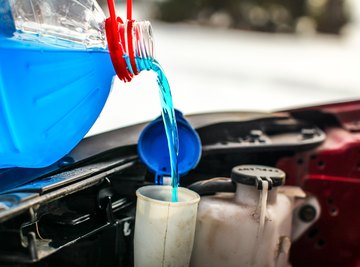
One of the chief uses of xylene is as a lubricant, and it is so used in motor oil or brake fluid. Xylene’s powerful solvent properties are used in printing, rubber and leather processing. Xylene is a component of lubricants in motor oil, paints and paint thinners, polishes, waxes, antifreeze, sealants, adhesives, and even gasoline and cigarettes. Xylene is used in some glue. Xylene is also used as a cleaner.
Additional uses of xylene include its addition to pesticides and disinfectants.
Common Paraxylene Uses
Paraxylene is one of the three isomers of xylene. It can be made by crystallization and adsorption. Paraxylene uses include precursor raw material for other substances. One of the chief paraxylene uses is in polymer synthesis. This makes paraxylene absolutely essential in the production of polyethylene terephthalate, or PET. Paraxylene is used to make terephthalic acid, or TPA; purified terephthalic acid, or PTA; and dimethyl-terephthalate, or DMT. These three chemicals are then used to make PET. The PET in turn is a chief ingredient in various plastic fibers and films. It is known for being a major component of plastic soda bottles, detergent bottles, bottles for various household cleaners and makeup. It is used in orographic film and x-rays. Food packaging also may contain PET, and it also serves as a polyester fiber component for such things as clothing and household fabrics. The great attraction of PET is its versatility, its relative affordability, lack of shattering and its ability to be recycled.
Since one of the paraxylene uses includes the synthesis of PTA, it also serves to make other compounds such as cyclohexanedimethanol, terephthaloyl chloride and various other polymers. The continued versatility of paraxylene ensures its continued demand.
Uses of p-xylene-2-sulfonic Acid
P-xylene-2-sulfonic acid, also called 2,5-Dimethylbenzenesulfonic acid, is a sulfur compound containing xylene. It is listed as a sulfonic acid and is considered a biochemical. P-xylene-2-sulfonic acid is soluble in ethanol. It is manufactured as a white crystalline powder. There are not many broad uses for p-xylene-2-sulfonic acid. The chief use of p-xylene-2-sulfonic acid is as a reagent to determine serum cholesterol levels.
Exposure Risks of Xylene
While xylene serves many valuable uses across multiple industries, it comes with its own risks to those who work closely with this chemical compound. Children are more greatly affected by xylene than adults, so extraordinary care must be taken to prevent their exposure.
The primary risks of xylene exposure include effects from inhalation or contact with the skin or eyes. Xylene is not classified as a carcinogen. Xylene is considered a central nervous system depressant, meaning it slows down the central nervous system. Breathing in xylene can cause dizziness, nausea, fainting, headache and even vomiting. Visual impairment and difficulty may also result from xylene exposure. Other drastic symptoms might include tremors, heart arrhythmias and pulmonary edema.
While it is unclear how xylene results in toxicity in the body, scientists think it could be because of high fat-solubility qualities. In this way it could be soluble with lipids in the membranes of neurons, and could affect neuronal proteins as a result. More research is needed to determine the method of toxicity.
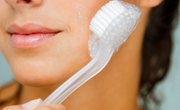
Xylene also poses risks to skin and eyes and is considered a skin irritant. The skin quickly absorbs it. Because xylene is so efficient at removing fats, any contact with the skin will have the same effect. This can lead to drying and cracking of the skin and dermatitis.
If xylene comes in contact with the eyes, it can damage the cornea. It is crucial to wear safety goggles when working with xylene. Any ingestion by mouth should be taken very seriously as well by quickly obtaining medical aid.
Longer exposure to xylene yields greater risk. Even smelling it can affect major organs. The best protective measures you can take around xylene are to work in a properly ventilated environment, such as a hood that vents quickly outside the area; a respirator mask as needed; and to wear proper protective eye goggles, gloves, protective clothes and aprons. Exposed individuals should be removed from the contamination, and medical assistance should be sought. Because xylene is heavier than air, it can reside in pockets near the ground. Therefore it is wise to remove persons from low-lying areas near the xylene contamination. Also, any xylene vapor trapped in clothing can affect helpers. Those who work regularly with xylene should be given routine medical examinations, and have body fluids monitored. Always review material safety data sheets in areas that use xylene and other powerful chemicals.
References
About the Author
J. Dianne Dotson is a science writer with a degree in zoology/ecology and evolutionary biology. She spent nine years working in laboratory and clinical research. A lifelong writer, Dianne is also a content manager and science fiction and fantasy novelist. Dianne features science as well as writing topics on her website, jdiannedotson.com.