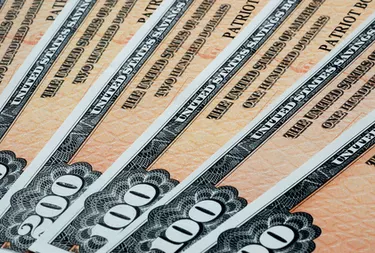
A bearer bond is a rare type of bond, also referred to as a coupon bond. It allows the "bearer" of the bond to present special clipped coupons to the issuer's payment agent to collect the designated interest. These are unregistered bonds, which mean they do not require the issuing company's transfer agent to record the name of the bond bearer or bond holder. Since bearer bonds can easily be stolen, it is important to keep your bearer bond safe until you are ready to cash in the bond.
Step 1
Locate a banking agent that will cash bearer bonds. Contact banks in your area to inquire about cashing your bearer bond. You may find that only a few banking agents around are willing to cash your bond. Bearer bonds have diminished in popularity, making finding a banking agent to cash the bond difficult.
Video of the Day
Step 2
Send the bond to a processing center for payment. US Bank allows bond holders to send in their bearer bonds to be cashed or deposited into their account. If your bearer bond has been called early, you may need to mail it to a separate branch of the bank. Contact the processing center for specific details. You will need to supply the original bearer bond, coupons, completed W-9 form and signed letter instructing who should receive payment and their mailing address.
Step 3
Contact the issuer of the bearer bond. If you are unable to finding anyone willing to cash your bearer bond, you will need to contact the issuer directly. The bond will state the issuing company. Contact them by phone for instructions on how to redeem the bond.
Video of the Day