Why Choose a Career in Radiology?

Why Choose a Career in Radiology? thumbnail
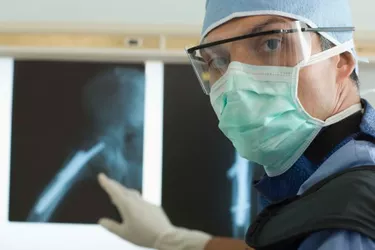
Professionals in radiology often are key in making diagnoses.

Radiology is a broad profession in which you obtain and interpret images gained through radiology equipment. In this field, you can become a diagnostic radiologist, a radiology assistant, a radiologic technician/technologist or a radiology nurse. Your reasons for entering a radiology career might not be the same reasons someone else has, but some general factors give you an idea of why the profession is in high demand.

  1. Major Entry Reason

    • People often enter radiology because they want an interesting job -- they find the challenge of diagnostics fascinating, for example, or they are excited to see what is not visible to the naked eye. According to the American Society of Radiologic Technologists, as many as 97 percent of 2,300 surveyed radiologic technologists cited this as the primary factor for their career choice. Ninety-two percent cited their desire to help people.

    Job Growth

    • According to the Bureau of Labor Statistics (BLS), professionals in radiology can expect faster than average growth for the field, based on 2008 data. The BLS asserts the industry will increase employment by 17 percent through 2018. Going into radiology is a suitable option for you if you want to be in a profession that has projected stability.

    Professional Development

    • Radiology offers many opportunities for professional development, says the The Society of Radiologists in Training. You have many options for what you can do. For example, you can train in an additional subspecialty like chest radiology, or you can conduct research or teach. This makes it easier to stay in the field despite life changes.

    Connection to Clinical Branches

    • Radiology is connected to virtually all areas of medicine, meaning that it is less dispensable than other medical fields. It is a field in which you have the potential to network with many clinical departments. This makes it possible to develop a well-rounded view of medicine, disease and the human body, because you work for and consult with specialists from multiple disciplines.

    Signficance

    • Depending on your title, as a radiology professional, you might prep patients, operate radiology equipment, get medical histories, record findings and discuss results with other medical workers. Sometimes an accurate diagnosis is possible only through the completion of these tasks, so radiologists often are the key to proper treatment development.

    Pay Rate

    • Radiologists, who are licensed doctors make the most in the field. The BLS indicates that, as of 2009, the average annual salary for physicians was $173,860, or just under $84 per hour. Payscale indicates that radiologists take home anywhere from $48,407 to $203,517, as of 2010. For other radiology professionals such as radiologic technologists, pay is around $54,180, or just over $24 per hour, based on 2009 data from the BLS.

Related Searches:

References

  • Photo Credit Jupiterimages/Comstock/Getty Images

Comments

You May Also Like

  • Why Choose Pediatric Radiology As a Career Choice

    Pediatric radiologists are a specialized subset of the radiology field. These medical professionals use a variety of imaging equipment, including X-rays, CT...

  • How to Choose a Radiology Technician School in Texas

    Are you thinking about enrolling in a radiology technician program in the state of Texas? More and more people are attending a...

  • Reasons to Be a Radiology Tech

    When your doctor is trying to diagnose a medical problem, the radiology tech is one healthcare professional who plays a crucial role...

  • Radiology Technician Practical Information

    With the baby boomer population about to reach retirement, jobs in the medical profession are expected to be in high demand through...

  • Why Choose a Career in Pharmacy?

    Pharmacists distribute prescription drugs to customers, usually in a retail store setting. They also ensure that their customers understand proper use of...

  • How to Start a Career in Radiology

    There are several different career paths available to people with training and degrees in the field of radiology. Almost all programs require...

  • How to Become a Radiologist

    A radiologist is a doctor who performs and interprets diagnostic tests. Types of tests can include an X-ray, CAT scan, ultrasound, upper...

  • Why Choose to Become a Hospital Nurse?

    Nursing is one of life's oldest and most giving professions. The main requirement of a nurse is to provide care. There are...

  • Why Choose HR As a Career

    Although a career in human resources (HR) is challenging because it involves working with professionals from a variety of backgrounds and constantly...

  • Radiology as a Career

    As the need for qualified health care professionals continues to grow, a career in radiology offers increased options and diversity. Whether interested...

  • Scholarship Essay Tips: Educational & Career Goals

    A college education costs much more than the average high school senior has tucked away from part-time retail gigs. But higher education...

  • Why Choose a Career in Sales?

    A sales career offers the opportunity of financial success and provides a sense of accomplishment and pride with each new sale. Read...

  • The Best Schools to Study Radiology

    The exciting career of radiology technology is on the rise. Currently in the United States, radiology technicians are in high demand and...

  • Careers in Radiology Imaging

    Careers in Radiology Imaging. Radiology is the study of images of the human body. Radiology began with X-rays but now includes tools...

  • How to Choose a Radiology Technician Program in Georgia

    Radiology is a growing field in medicine, and the job market for radiology technicians is expanding right along with it. Georgia has...

  • Why Choose to Be a Medical Assistant?

    Medical assistants help keep health care facilities running smoothly by performing routine clinical and administrative duties. They measure and record patients' blood...

  • How to Be a Radiology Nurse

    Radiology nursing is one of the many specialties available to those seeking a registered nursing degree. A radiology specialty requires extra training...

  • How to Be a Radiology Technician

    Radiology technician training can be completed in just 2 years, and the average yearly income for someone new to the profession is...

  • Radiology Career Training

    Radiology technologists and technicians undergo at least two years of training on the basics of the medical imaging profession. They may also...

Related Ads

Featured