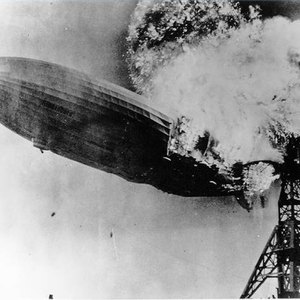


Companies exist to make money for their owners. The owners of a publicly traded company are its shareholders. So, when a company's share price drops sharply, the shareholders lose value. The CEO, with a sinking feeling in the pit of his stomach, might feel more like the pilot of the Hindenburg than a member of the business elite. But, all is not lost just because the share price drops, and some good can come of it. Any dramatic move in price indicates real changes in the stock market that warrant attention tempered with caution.
Identification
A company's share price goes lower because more shareholders are trying to sell than looking to buy. The resulting increase in available supply forces the price lower until an equilibrium is reached. The motivation for the selling that drives a share price lower can be company specific, such as lowered earnings expectations, loss of market share or material changes to the business. It can also be general, related to concerns about stocks as an asset class, a particular sector or the economy as a whole.
Significance
A publicly traded company raises capital through the initial offering of shares, not from their trade in the open market. Thus, a decline in the share price does not necessarily affect the company's operations directly. It does affect the value of employee stock options and possibly pensions, and the shares the company might itself own, if any. Some companies use the performance of the stock in evaluating executive compensation.
Effects
A company's shares represent ownership interest in the company. When the shares get cheaper, the cost of buying a controlling interest goes down as well. Thus, a company whose shares have dropped sharply is subject to takeout bids and tender offers. In the long run, shareholders could benefit if the new management corrects the company's problems. To the extent that the drop in price reflects serious problems with the company, it might also presage the raising of capital by diluting existing shareholders.
Benefits
Many companies have share repurchase programs in place that return capital to shareholders by purchasing stock on the open market. In theory, the resulting decrease in floating supply raises the value of each remaining share. When a company's share price drops sharply, a well-positioned management team with an existing repurchase plan can take advantage of the discount prices and buy more shares with the allotted cash. This is the opposite of raising capital by diluting shareholders.
Considerations
A dividend-paying company whose share price drops sharply experiences a simultaneous increase in its dividend yield, because yield is equal to the annual dividend per share in dollars divided by the price per share. Although this can sometimes create opportunities for investors, a serious and lasting underlying problem with the company will probably result in a lowering of the dividend. When faced with a choice between making dividend payments that are unusually high-yielding or buying back shares, management tends to favor share repurchase.
References
Writer Bio
Joseph Nicholson is an independent analyst whose publishing achievements include a cover feature for "Futures Magazine" and a recurring column in the monthly newsletter of a private mint. He received a Bachelor of Arts in English from the University of Florida and is currently attending law school in San Francisco.