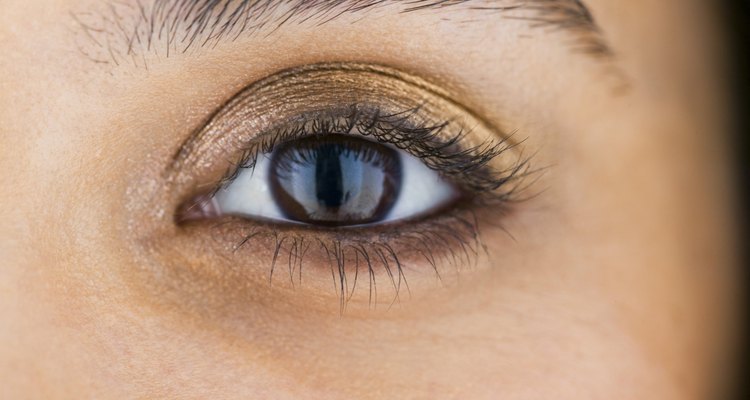
Having an eyelash in your eye can be irritating and painful, and removing it can cause further irritation to the eye. The most effective way to prevent this is to strengthen and protect your eye lashes so they do not fall out at all.
Remove mascara on the eyelashes before going to bed. Dip a cotton ball or cloth in a makeup remover, close your eyes and gently apply the remover by wiping it with downward strokes rather than across the eyelashes. Use water-soluble mascara rather than water-proof mascara, which is more difficult to remove.
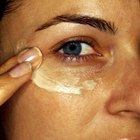
Apply a moisturizer cream to your eyelids and the skin directly underneath your eyes. This will rehydrate the skin and be absorbed by the lashes, rehydrating the lashes, as well. Ideally, apply the moisturizer at night before bed when your eyelashes are at rest.
Strengthen and restore your eyelashes with an olive oil treatment. Dip a cotton ball into olive oil and dab onto the eyelashes. Let the eyelashes absorb the oil for five minutes, then rinse your eyelashes by splashing water on them. Gently pat dry with a towel. Apply the olive oil treatment twice a week.
Avoid rubbing your eyes, as this causes breakage of the eyelash hair. Avoid using an eyelash curler, which also damages the hair. If you must use an eye lash curler, use it before applying mascara to minimize breakage.
Related Articles

How to Shorten Eyelashes

How to Get Clumps Out of Eyelashes
How to Pluck Eyelashes
How to Look Like You Have Long Eyelashes

How to Create Bold and Separated ...
How to Keep False Eyelashes From Lifting
How to Unclump Eyelashes
How to Get Rid of Ingrown Hairs in the ...
How to Take Care of Painful Ingrown Hair

How to Prevent Pock Holes From ...
How to Straighten Eyelashes

Rosebud Salve Uses

How to Get Rid of Light Colored Bags ...

How to Round Your Nails
The Best Facial Moisturizer That Won't ...

How to Curl Eyelashes Without Pinching ...

How to Trim the Length of False Lashes

How to Respond to a Compliment From a ...

How to Take Off Fake Eyelashes Without ...

How to Prevent Cheek Wrinkles
Writer Bio
Audrey Farley began writing professionally in 2007. She has been featured in various issues of "The Mountain Echo" and "The Messenger." Farley has a Bachelor of Arts in English from the University of Richmond and a Master of Arts in English literature from Virginia Commonwealth University. She teaches English composition at a community college.
Photo Credits
Creatas Images/Creatas/Getty Images