About Rainforest Frogs

About Rainforest Frogs thumbnail
Rainforest frogs are exquisite, beautiful creatures.

Rainforests are areas of abundant animal and plant life. Rainforest frogs rank among the most diverse rainforest animals. Diverse in color, shape and size, they are highly specialized creatures. They adapt well to the rainforest and many have lifespans ranging between two and ten years. Many rainforest frog species are listed as endangered, due to rainforest destruction as well as natural and human predators.

  1. Scientific Information

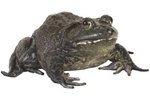
    • Frogs are amphibians of the Anura order. A majority of rainforest frogs are characterized by short, fleshy bodies, the absence of a tail, long hind legs, webbed digits and protruding eyes. They are excellent jumpers, owing to their powerful legs. Frogs "drink" water and absorb oxygen directly through their permeable skins. They require ample moisture to survive, which is why they are most commonly found in humid or aquatic areas.

    Geography

    • Rainforest frogs are abundantly found in the moist rainforests of Central and South America, Australia and New Guinea.

    Characteristics

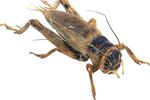
    • Most rainforest frogs share some typical characteristics. They are tiny and typically range in size between 1 and 3 inches. Rainforest frogs are generally brightly colored and it is not uncommon to see bright-red, yellow and blue colored species with characteristic large, protruding, often red-colored eyes. Some rainforest frogs, such as the poison dart frog, are highly toxic, with a poisonous film that covers their epidermis, offering additional protection against rainforest predators. Frogs eat a varied diet and prefer small insects like beetles, flies, ants and crickets. Some frogs exhibit cannibalistic dietary habits and routinely eat members of their own species.

    Types

    • Rainforest frogs come in numerous shapes and colors, depending on their environment and species. Some of the most common types of rainforest frogs around the world include tree frog, poison-dart frog, Panama-golden frog, tomato frog, glass frog, monkey frog, Boophis tree frog, acid frog, Mantella frog, white-lipped tree frog, bumpy rocketfrog, Australian lacelid, Lesuer's frog, ornate frog, waterfall frog, northern red-eyed tree frog and yellow and brown toad.

    Importance

    • Rainforest frogs are studied for their medicinal potential. Epibatidine, an extremely potent alkaloid and a powerful analgesic, exists naturally in the skin of the poison-dart frog. Epibatidine is more than 200 times as potent as morphine. It is currently being studied for its potential as a therapeutic drug. Other poisons extracted from the skins of rainforest frogs are being studied for their potential HIV-resistant properties.

    Considerations

    • Rainforest frogs are rapidly declining worldwide due to pollution and deforestation. Many rainforest-frog species are listed as endangered, owing to the combined effects of natural predators (snakes, birds, bats, fish and tarantulas), excessive pesticide and fertilizer use and environmental hazards, such as acid rain. The common mist frog, for instance, is an example of an endangered rainforest creature.

Related Searches:

References

  • Photo Credit Poisonous frog, Ronario Frog Pond, Costa Rica image by Oren Sarid from Fotolia.com

Comments

You May Also Like

  • Facts on Rainforest Tree Frogs

    Tree frogs live in rain forests around the world where they rely on the forest's humidity and large amounts of rainfall to...

  • What Eats Frogs in the Rainforest?

    What Eats Frogs in the Rainforest?. The rainforest is home to a wide variety of frog species. Some of these frogs are...

  • What Is the Life Span for Frogs in the Rainforest?

    A variety of frogs live in the rainforest, with many of them living from two to ten years. Often, the lifespan of...

  • Facts About Rainforest Frogs

    Rainforests are hot, moist biomes located near the equator. Rainforests cover only 6 percent of the earth's surface but contain over half...

  • Poison Frogs in the Rainforest

    Poison Frogs in the Rainforest. Poison frogs are very small, brightly colored amphibians native to the rainforests of Central and South America....

  • Types of Frogs in the Rainforest

    Types of Frogs in the Rainforest. The rain forest is filled with several types of frogs that have distinctive characteristics, setting them...

  • How to Build a Vivarium

    A vivarium is an enclosed natural environment created for reptiles and insects. Building a vivarium requires knowledge of the type of animal...

  • Types of Salamander & Amphibian Species

    Salamanders and other amphibians were the first animals to leave the water to try and live on land, about 370 million years...

  • About Frogs

    Most people have come in contact with frogs at one time or another whether they're on the table in biology class or...

  • Kindergarten Activities for Exploring the Rainforest

    Spider monkeys swing from vines, jaguars sleeping in trees and boa constrictors and poison dart frogs going about their days -- these...

  • Colorful Frogs in the Rainforest

    Colorful Frogs in the Rainforest. Native inhabitants of the rainforest used frogs with the brightest colors, and therefore the most poison, to...

  • Facts on Tropical Rainforest Tree Frogs

    Frogs are just some of the colorful, striking creatures of the rainforest. These creatures have adapted to the lush vegetation, humid air...

  • Frogs in the Temperate Rainforest

    Frogs in the Temperate Rainforest. The earth contains 75 million acres of temperate rainforest, the largest of which are located along the...

  • Frogs in the Rain Forest Understory

    Rain forests are typically composed of a tall, thick canopy of large treetops, a lush, dark understory of smaller trees and bushes,...

  • Pool Frog Facts

    The pool frog sports olive brown skin with dark brown blotches and a yellow line down the middle and white or yellow-white...

  • Tree Frogs in the Rain Forest

    More than 1,000 species of frogs live in rain forests around the world. Unlike frogs native to other world habitats, rain forest...

  • How to Breed Frogs

    Understand that you cannot force your frogs to breed. You can, however, create conditions that will make them more likely to breed.

Related Ads

Featured