Automatic Vs. Handwound Watches

Automatic Vs. Handwound Watches thumbnail
Automatic and handwound watches are mechanical timepieces in great demand by vintage watch buyers.

Automatic and hand-wound, or manual wind, mechanical wristwatches operate on the same principle as a hairspring mechanical movement that powers and regulates the watch. The automatic does not need winding if worn daily. The manual wind watch must be wound daily, although its power reserve can last up to 36 hours. Similarly, an automatic's power reserve can last from 36 up to 72 hours. Does this Spark an idea?

  1. History

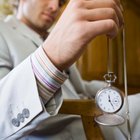
    • Mass-produced manual wind pocket watches have been in existence since the mid-19th century. The wristwatch appeared in the early 20th century. The automatic appeared around 1931, but wasn't used on a wide scale until the 1940s. The modern watch is either powered by an automatic mechanical movement or a battery-operated quartz movement. The quartz watch is electronic and needs no winding, according to Timeszone.com.

    Automatic Features

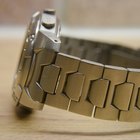
    • The automatic watch is powered by the perpetual motion of the wearer's wrist. The movement contains a half-moon disc that rotates with each movement of the arm to keep the watch wound. It is no more accurate than a manual wind watch. And like the manual wind version, the automatic is less accurate than the quartz watch. A good running automatic or manual wind watch can lose or gain up to eight seconds a day. The quartz watch rarely gains or loses time. When quartz watches flooded the market in the 1970s, the automatic almost ceased to exist, but made a tremendous comeback in the 1990s as the desired mechanical watch.

    Handwound Watches

    • Mass-produced handwound pocket and wrist-worn timepieces served the market for nearly 150 years before the advent of the quartz watch. Unlike the automatic, it never recovered from the buyers' conversion to quartz. Few manual wind mechanical watches are produced in the 21st century, but there is a huge market for vintage manual wind watches. Manual wind watches are less popular than automatics because they must be wound each day. The handwound also is perceived as archaic and labor intensive compared to its automatic and quartz competitors.

    Pros and Cons

    • Automatics are easier to care for if worn daily. A daily worn automatic will need no winding or special attention. If an automatic is not worn daily, then it can be wound like a manual watch or placed on an automatic winder machine that simulates wrist movement to keep the automatic wound. The handwound watch needs daily attention to wind it. But many wearers enjoy only manual wind watches because they are generally vintage timepieces with a history, feature interesting dials and allow the owner to interact with it. Vintage watch owners often treat and study the history of their watches much the same way as vintage car collectors care for their old cars

    Bottom Line

    • The attraction of mechanical watches is in the eye of the beholder. Owners recognize that it takes considerably more talent and precision workmanship to create an automatic and manual wind watch than a quartz version. Automatics are more accessible because they are still produced. Manual winds are just as accurate, but have a vintage pedigree that some owners find appealing

Related Searches:

References

Resources

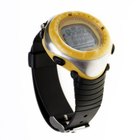
  • Photo Credit sport watches image by Andrejs Nikiforovs from Fotolia.com

Comments

You May Also Like

  • Automatic Vs. Hand-wound Watches

    Automatic and hand-wound watches are mechanical timepieces that use a balance wheel and hairspring to power the movement. The automatic watch is...

  • Pros & Cons of an Automatic Transmission Flush

    Pros & Cons of an Automatic Transmission Flush. Automatic transmission service entails removing the transmission fluid pan, discarding the old fluid and...

  • Automatic Vs. Hand Wind Watches

    Watches not only tell the time, but they also provide an aesthetic accessory to your attire. You might, however, decide that some...

  • Watches: Quartz Vs. Automatic

    Comments. You May Also Like. Automatic Vs. Handwound Watches. Automatic and hand-wound, or manual wind, mechanical wristwatches operate on the same principle...

  • Automatic Vs. Kinetic Watches

    All watches tell time, but some function in different ways. Automatic and kinetic watches represent two different eras of watch manufacturing and...

  • Digital Watches Vs. Wind Watches

    Digital and wind watches are vastly different timepieces operated by separate technology. A digital watch is powered by an electronic movement. Wind...

  • Pros & Cons of Automatic Windows Updates

    Pros & Cons of Automatic Windows Updates. Microsoft created the automatic Windows Update to save users from having to find and download...

  • What Makes an Automatic Watch Work?

    Comments. You May Also Like. Automatic Vs. Hand Wind Watches. Watches not only tell the time, but they also provide an aesthetic...

  • Handwashing vs. Hand Sanitizing

    Keeping your hands clean helps prevent the spread of colds, the flu and other infections. Using a hand sanitizer can be as...

  • How to Wind a Manual Watch

    Setting the time of a manual watch is a simple procedure. Manual, or mechanical, watches are powered by a mechanical movement that...

  • What Is Mechanical Watch Movement?

    A mechanical watch movement is the miniature spring-loaded engine that operates the timepiece. It keeps accurate time through the regulated release of...

  • How Does a Panerai Power Reserve Work?

    Though Italian designed, high-end Panerai watches share a link to the famous Swiss watchmakers of old through its founder, Giovanni Panerai. Serving...

  • Battery Vs. Self-Winding Watches

    Battery and self-winding watches are vastly different timepieces. The quartz crystal battery-powered watch is an electronic device. The self-winding watch is ...

  • What Is the Difference Between Quartz & Automatic Watches?

    Comments. You May Also Like. Difference Between Quartz & Mechanical Watches. Quartz and mechanical watches use vastly different technology to power movements.

  • Kinetic Watch Instructions

    First introduced in 1986 by the Seiko Watch Corporation, kinetic watches power themselves by converting kinetic movements into electrical energy. Kinetic watches...

  • How to Care for Automatic Watches

    Automatic watches are a step above wind-up watches, but a step below digital watches. Almost immediately after the first wind-up watches hit...

  • Manual Treadmill Vs. Motor Treadmill

    A good treadmill workout can help you lose weight, stay healthy and build stamina. Your choice of treadmill, whether manual or motorized,...

  • How to Wind an Automatic Watch

    An automatic watch means that it is self-winding. The springs in an automatic watch are set to move with the natural movement...

Related Ads

Featured