



Dictators, countries, schools and parents have banned numerous texts over the decades, many of which have now become famous, including "Lady Chatterley's Lover," "Harry Potter and the Philosopher's Stone" and "The Catcher in the Rye." Book banners often cite reasons of inappropriateness, obscenity and danger to the public or to the innocence of young readers. While censors of literature and other media may have good intentions, they often fail to recognize that censorship itself can be a dangerous practice.
Threat to the Democratic Nature of Education
The National Coalition Against Censorship (NCAC) argues that censorship threatens the democratic nature of the educational system in the United States. The Supreme Court agreed in 1967 when it ruled in favor of a New York teacher with suspected communist affiliation keeping his job by arguing "the classroom is peculiarly the marketplace of ideas." The goal of the educational system, according to the NCAC, is to produce thinking citizens, whose rights to the freedom to read under the First Amendment are endangered by the censorship of reading material, whether in print or on the Internet.
Missed Opportunity for Critical Thinking
Reading challenging materials teaches students critical thinking skills they need to flourish as American citizens. Without reading a wide variety of materials representing a range of beliefs and ideas, students will lose out on the opportunity to judge ideas that may oppose what they believe or have been taught to believe. Students will find these kinds of evaluative skills useful as adults in a democratic society where they will have to deal with controversial ideas in the media, at work, in the government and internationally.
Missed Opportunity to Learn From the Past
Some people believe in censoring classic books that use words that are now considered racial slurs, such as "The Adventures of Huckleberry Finn." Certainly some of the ideas about race in such books are outdated and even derogatory, from a contemporary perspective. However, a teacher can use instances such as these as history lessons, explaining to students how ideas about race have changed over the years.
Suppression of Ideas that Challenge the Status Quo
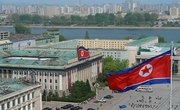
Many people know that the Nazis burned books that challenged their political philosophy. Book-burning or banning is common in many totalitarian governments, including Soviet Russia, North Korea and communist China. North Korea, the most censored country in the world according to the Committee to Protect Journalists, allows no independent media. In North Korea and other heavily censored countries, citizens have no access to information from outside their country and are forbidden to criticize the government. Many people in these censored countries live isolated, sheltered lives, ignorant of alternative ways of life and thinking.
Related Articles







References
- NCAC; Censoring Culture: Contemporary Threats to Free Expression; Atkins and Mintcheva; 2008
- NCAC: Public Education, Democracy, Free Speech: The Ideas That Define and Unite Us
- Boston College Keyishian v. Board of Regents of the University of the State of New York; January 23, 1967
- CPJ; 10 Most Censored Countries; May 2, 2006
Writer Bio
Nadine Smith has been writing since 2010. She teaches college writing and ESL courses and has several years experience tutoring all ages in English, ESL and literature. Nadine holds a Master of Arts in English language and literature from McMaster University in Ontario, Canada, where she led seminars as a teaching assistant.