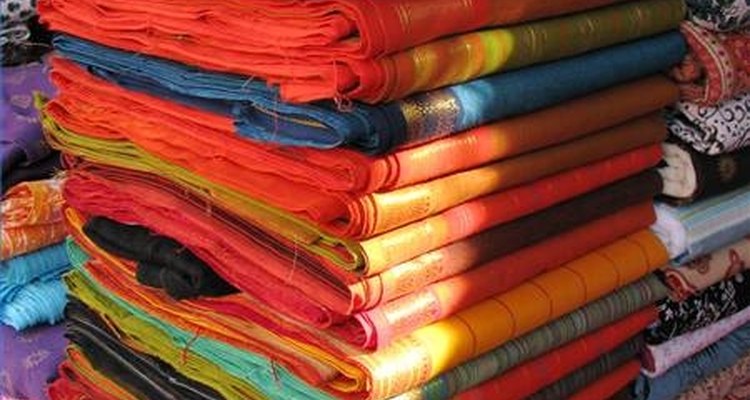
Cotton fabric has been used for clothing as far back as 3000 B.C. It remains a popular fabric today because it can be made into different weights and types of fabric: batiste, jersey, flannel, terry, corduroy, twill, denim and duck.
History
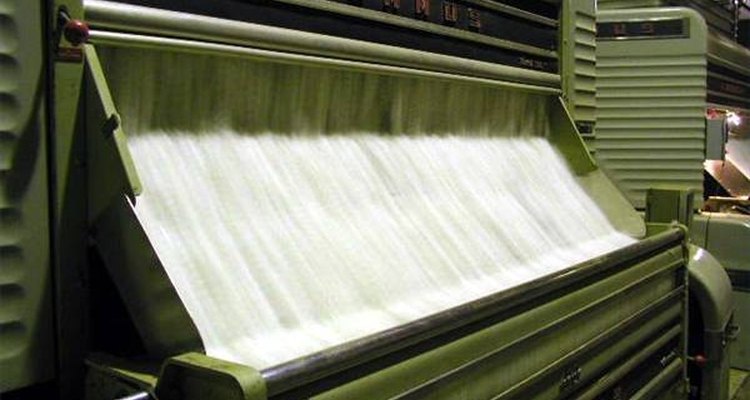
The processing of cotton was streamlined in 1793 with Eli Whitney's cotton gin. This machine separates the cotton from the seed. In 1884, the power loom improved the manufacture of cotton fabric.
Geography
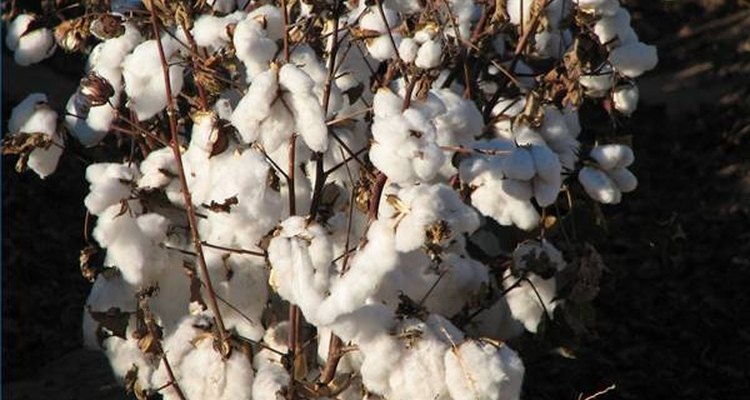
The cotton plant thrives in warm climates such as those in the southern United States, China, India, Brazil and Egypt.
Features
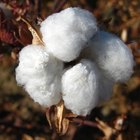
Cotton grows in a round boll around the seeds of the cotton plant. The plant is thorny, which made picking painful for the picker until machines for this were developed in the 1930s.
Types
Cotton is graded on three things: color or degree of whiteness, amount of foreign or plant matter in the cotton, and preparation of the fiber done by the gin.
Expert Insight
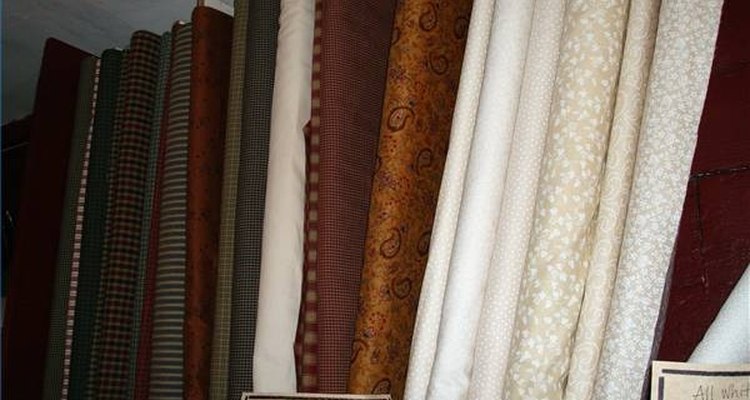
Staple is the length of the fiber in cottom. Egyptian cotton is known for its long staple and is used for finer types of fabrics. Extra-long staple cotton is also used for thread.
Related Articles
Types of Cotton Fabric
How Is Cotton Made?
Characteristics of Polyester & Cotton

How Much of the World's Clothing Is ...

How to Dehydrate Okra

Description and Characteristics of ...
Trade Names for Cotton
What Is Yellow Zucchini?
What Is a Synthetic Polyester Fabric?
What Is Arnel Vintage Material Fabric?

How Is Poly Cotton Made?
What Is the Difference Between Denim & ...
Define Cotton Silk Fabric
How Is Cotton Made Into Fabric?
Ring Spun Cotton vs. Combed Cotton
Why Cotton Is Used in Clothing

What Is Pinpoint Cotton?
List of Plants Used for Clothing
What Types of Fabrics Absorb Dye Best?
What Is the Difference Between Acrylic ...
References
Writer Bio
Margaret Montet has been a freelance writer for five years and a librarian for 20. She has master's degrees in library science and music theory. She writes extensively about America’s oldest seashore resort, Cape May, N.J. Montet has published articles in "Edible Jersey," "The Traveler," "Twin Capes Traveller," "Chesapeake Family" and "Go!" on topics including medieval art, murder mystery dinner parties, cranberries and quilting.
Photo Credits
McKay Savage, billums, Ailleen's pics, Svadfari