
Tax Deduction Vs. Exemption
There is a distinction between a tax deduction and an exemption, which tends to escape the average taxpayer. Understanding the difference will allow you to maximize the amount of earned income that will remain in your wallet. An exemption reduces your taxable earned income. Exemptions apply to people and your relationship with them. A tax deduction, meanwhile, applies to bills that you pay during the tax year.
-
Standard Deduction
-
The amount of the standard deduction changes annually as recognition by the Internal Revenue Service of fluctuations in cost of living. The deduction matches the taxpayer filing status, which is $5,700 for single filers and $11,400 for taxpayers who are married filing jointly for tax year 2009.
A list of standard deduction amounts appears in the left sidebar of Form 1040 and Form 1040A and on the front of Form 1040EZ. If you very few deductible expenses, a standard deduction may be the best choice. Standard deduction amounts could rise if you are blind or older--or both.
Itemized Deductions
-
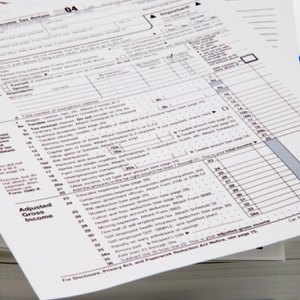
When deductible expenses exceed the amount of standard deduction for the filing status, you could benefit from itemizing your deductions. The deductions fall into two categories: those "above the line" and those that are "below the line" on your tax return. The "line" is a reference to the entry for adjusted gross income at the bottom of the front page.
Above-the-line deductions include items paid such as student loan interest, individual retirement account contributions and contributions to a health savings account. These deductions are unique in that the filer can claim them on any version of Form 1040.
Below-the-line tax deductions might not be useful. Benefits of the tax deductions become apparent when itemized deductions exceed the standard deduction for your filing status. Itemized deductions include medical, dental, state and local taxes; home mortgage points and interest; charitable contributions; and work and education expenses.
-
Exemptions
-
Exemptions are more personal. The exemptions lower tax liability by allowing the subtraction of an equal amount for each person you claim as a dependent--plus you and your spouse. The table of dependent exemptions with approved totals for the exemption amounts is available online.
Five Tests of Dependency
-
You may list a person as dependent if that person meets the five tests of dependency as they appear in IRS Publication 17. Dependents you claim can be a relative by blood or marriage. They do not need to live with you. Publication 17 lists people who are not relatives as well as someone who lives with you (except for temporary, short absences) as dependents.
The second test is the dependent's gross income, which cannot exceed $3650 (amount of exemption) for tax year 2009. This does not apply if the dependent is your child, under 19 or a full-time student between the ages of 19 and 24. The taxpayer must provide more than half of dependent's support.
Your dependent may file a "married filing joint" return if the sole purpose is to reclaim income taxes paid. This could occur when a tax filing is unnecessary because the dependent's income level is below filing levels. Finally, dependents must be U.S. citizens (or nationals) or reside in one sharing a border with the United States--that is, Mexico or Canada.
Difference or Likeness
-
While tax deductions and exemptions both change your tax liability, they are not equal. Exemptions occur "below the line," while preferred deductions occurring "above the line" are much more desirable. Informed taxpayers with proper documentation are able to file accurate and responsible tax returns, paying only their fair share of the tax burden.
-
References
- Photo Credit TAX TIME image by brelsbil from Fotolia.com