Endothermic animals are more commonly known as warm-blooded. The term "warm-blooded" is a bit of a misnomer because cold-blooded animals also have warm blood; however, they are “ectothermic.” The key difference lies in each group's ability, or lack of ability, to regulate their body temperature. Being endothermic offers several advantages, as well as disadvantages.
TL;DR (Too Long; Didn't Read)
Being endothermic allows us to live in cooler areas and regulate our body temperatures to fight off infection (think of the fever you get fighting off the flu). The downside, though, is that regulating body temperature is energetically costly, and warm-blooded animals need more food than cold-blooded ones.
Ability to Live in Cold Areas
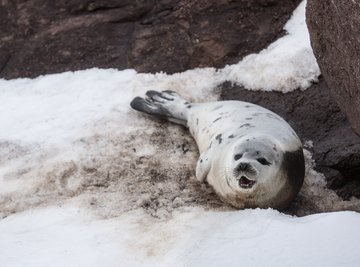
Most ectothermic reptiles are native to warm and tropical areas. The reason is simple: They regulate their body temperature based on the sun, limiting them primarily to areas that have a high amount of sunlight. They seek the sun to warm up and seek the shade when their bodies get too warm. Most mammals, on the other hand, internally regulate and maintain a constant temperature, allowing them to live in colder regions where the sun is less available to warm their bodies.
Internal Reproduction
Most cold-blooded animals don’t internally house their offspring but rather keep them in locally placed eggs. This can be especially detrimental if the environment is full of predators. Endotherms, on the other hand, maintain warmth inside their body, providing a nourishing environment and live births.
Natural Bacteria Protection
The human body’s natural antibodies and defenses are relatively automatic. When infected with a sickness or bacteria, humans' internal temperature naturally rises in an effort to kill off the germs. Ectotherms, such as lizards, don’t have this luxury and must instead bask in the sun -- assuming it’s available -- for longer periods of time. This makes ectothermic regulation slightly costlier in terms of risk as compared to endothermic regulation.
Energetically Costly
One huge downside to endothermic regulation is that it’s energetically costly. The bodies of mammals are constantly maintaining temperature through metabolic processes, so constant food intake is critical. Very large mammals, such as elephants and whales, spend the majority of their day eating, and the bulk of their caloric intake goes toward maintaining their body temperature.
About the Author
Steve Johnson is an avid and passionate writer with more than five years of experience. He's written for several industries, including health, dating and Internet marketing, as well as for various websites. He holds a bachelor's degree from the University of Texas.