DNA exists in the cells of all living things. These long chains of amino acids serve as the genetic blueprints for living organisms. DNA controls how they form before birth and which traits they pass on to the next generation. Recombinant DNA exists in a laboratory by combining genetic material from multiple sources. Recombinant DNA technology can create new kinds of living organisms or alter the genetic code of existing organisms. As with most technology, there are great benefits and notable downsides to the use of recombinant DNA technology.
TL;DR (Too Long; Didn't Read)
Recombinant DNA technology, also called "genetic engineering," has many benefits, such as the ability to improve health and improve the quality of food. But there are downsides as well, such as the potential for using personal genetic information without consent.
Pros of Recombinant DNA Technology
Recombinant DNA technology, sometimes referred to as "genetic engineering," can benefit people in several ways. For example, scientists made artificial human insulin with the help of recombinant DNA technology. Diabetic people cannot produce their own insulin, which they need in order to process sugar. Animal insulin is not a suitable replacement, since it causes severe allergic reactions in most people. Thus, scientists used recombinant DNA technology to isolate the gene for human insulin and insert it into plasmids (cellular structures that can replicate independently of chromosomes). These plasmids were then inserted into bacterial cells, which created insulin based on the human genetic code inside of them. The resulting insulin was safe for humans to use. Thus, people with diabetes went from having a life expectancy of around 4 years after diagnosis to having a normal human life expectancy.
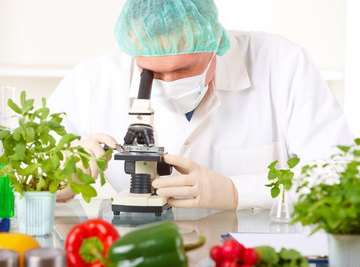
Recombinant DNA technology helped improve food production. Fruits and vegetables, which were prone to attacks from pests, now have genetic modifications to be more resistant. Some foods have modifications for longer shelf lives or higher nutritional content. These advancements greatly increased crop yields, which means that more food is available to the public at the end of each growing cycle.
Scientists have been working to improve vaccines and produce new ones using recombinant DNA technology. These "DNA vaccines," which utilize recombinant DNA, are in the testing stages. Most modern vaccines introduce a small "piece" of a disease into the body, so the body can develop ways to fight that particular disease. DNA vaccines would directly introduce the antigen itself and lead to more immediate and permanent immunity. Such vaccines could potentially protect people against diseases such as diabetes and even cancer.
Cons of Recombinant DNA Technology
Most of the downsides of recombinant DNA technology are ethical in nature. Some people feel that recombinant DNA technology goes against the laws of nature, or against their religious beliefs, due to how much control this technology gives humans over the most basic buildings blocks of life.
Other ethical concerns also exist. Some people worry that if companies can pay scientists to patent, buy and sell genetic material, then genetic material could become an expensive commodity. Such a system might lead to people having their genetic information stolen and used without permission. It may sound odd, but such cases have already happened. In 1951, a scientist used unique cells stolen from a woman named Henrietta Lacks to create an important cell line (the HeLa cell line) which is still used in medical research today. Her family did not know about her involuntary donation until after her death, and never received compensation, but others have profited from the use of HeLa cells.
Many people worry about the safety of modifying food and medicines using recombinant DNA technology. Although genetically modified foods seem safe in multiple studies, it is easy to see why such fears exist.
What might happen if a crop of tomatoes with modified jellyfish genes to make them more robust became common? What would happen to an unsuspecting person, who is allergic to jellyfish, after eating one of these tomatoes? Would the person have a reaction? Some people fear that such questions will not come up until it is too late.
Other people worry that humans may begin tampering too much with their own genetic material and create societal problems. What if people use recombinant DNA technology to live longer, become stronger or handpick certain traits for their offspring? Will societal division swell between genetically modified people and "normal" people? These are questions that scientists and the public will likely continue to consider as humanity moves toward a future where manipulating DNA is easier than ever before.
References
- Greens.org: Ethical Dangers of Genetic Engineering; Ron Epstein; 1999
- Human Genome Project: Genetically Modified Foods and Organisms
- DNA Diagnostics Center: Creating Solutions for Health and Nutrition
- SpringerLink: A Diabetic Life Before and After the Insulin Era
- Vaccines.gov: Vaccine Types
- World Health Organization: Biologicals
- Washington Post: Henrietta Lacks's Family Wants Compensation for Her Cells
About the Author
Maria Cook is a freelance and fiction writer from Indianapolis, Indiana. She holds an MFA in Creative Writing from Butler University in Indianapolis. She has written about science as it relates to eco-friendly practices, conservation and the environment for Green Matters.