Home Sweet Home
Hacks, Tips & Tricks
Squeaky Clean
DIY Decor
Carpentry & Remodeling
Maintenance & Repair
Green Thumb
All Home Sweet Home
Chow Down
Main Dishes
Sweet Treats
Snacks
Copycat Recipes
Drinks & Cocktails
Sides & Appetizers
Veggie Faves
Food Hacks
All Chow Down
Get Crafty
Sew Simple
Fun Crafts
Art Projects
All Get Crafty
Let’s Celebrate
Valentine's Day
St. Patrick's Day
Easter
Mother's Day
Father's Day
4th of July
Back to School
Halloween
Thanksgiving
Christmas
New Year
Weddings
Baby Showers
Birthdays
Parties & Events
Gifts
All Let’s Celebrate
JOIN OUR NEWSLETTER
JOIN OUR NEWSLETTER
Home
Chow Down
Food Hacks
Food Hacks
By
Bianca Fernandez
Sourdough Discard Waffles and Pancakes
Chow Down
By
Fred Decker
Avocado Tips & Tricks, From Freshness to Flavor
Chow Down
By
Fred Decker
A Practical Pomegranate Guide With Expert Tips
Chow Down
By
Kirsten Nunez
Rock Candy, Color-Changing Lemonade & More Fun Science Projects
Chow Down
By
Sophie Boudreau
Easy School Lunch Ideas Packed With Fun & Flavor
Chow Down
By
Anna Buckley
5 Unique Watermelon Recipes From TikTok Foodies
Chow Down
By
Fred Decker
Lively Sourdough Starters You Can Buy Online
Chow Down
By
Fred Decker
Pasta 101: Solutions to Your Most Pressing Pasta Problems
Chow Down
By
Fred Decker
An Expert Guide to Safely Cutting Fresh Fruits & Veggies
Chow Down
By
Fred Decker
Make Amazing Smoothies, Milkshakes, Dips and More in These Trusty Blenders
Chow Down
By
Fred Decker
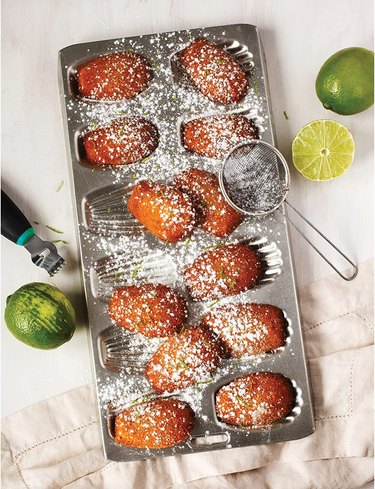
Specialty Baking Pans You'll Want to Add to Your Collection
Chow Down
By
Fred Decker
Home Brewing Kits for Aspiring Craft Brewmasters
Chow Down
By
Eric Mohrman
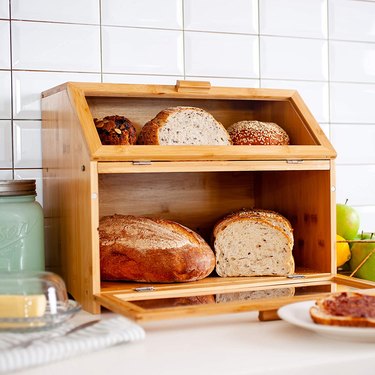
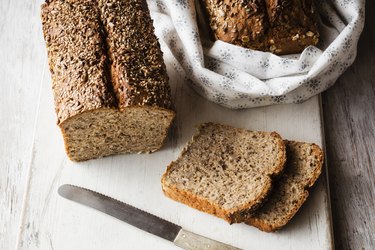
Bread Boxes That Will Keep Your Baked Goods Fresh for Longer
Chow Down
By
Fred Decker
These Cheese Boards Will Make Your Charcuterie Spreads Pop
Chow Down
By
Fred Decker
Stay Fresh: An Expert Guide to Fruit Ripeness
Chow Down
By
Fred Decker
Protect Your Countertops (And Look Good Doing It) With These Trivets
Chow Down
By
Fred Decker
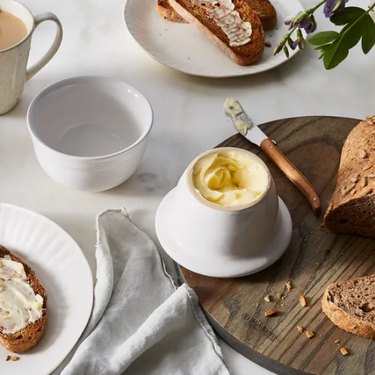
Have Spreadable Butter at the Ready With These Butter Keepers
Chow Down
By
Anna Buckley
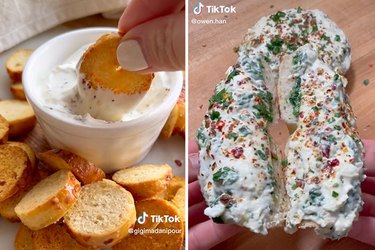
Easy Bagel Chips, Tasty Dips & Other TikTok Bagel Hacks
Chow Down
By
Spencer Hall
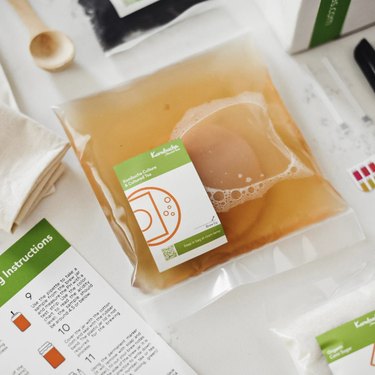
Make Your Own Kombucha at Home (and Save Money) Using These Kombucha Starter Kits
Chow Down
By
Eric Mohrman
Quality Drink Pitchers for Serving Summertime Sips
Chow Down
By
Fred Decker
My Bread Maker Has Been Churning Out Delicious Loaves for 15-Plus Years
Chow Down
By
Eric Mohrman
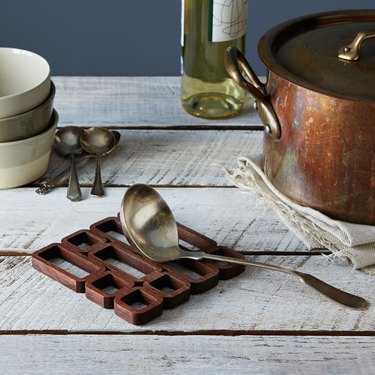
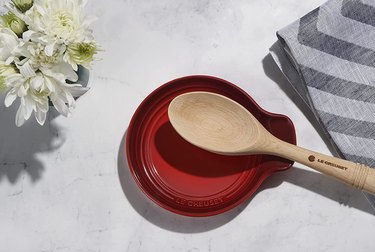
Pretty and Practical Spoon Rests to Complement Your Kitchen
Chow Down
By
Eric Mohrman
Rustle Up Some Grub Using These Handy Camping Cookware Sets
Chow Down
By
Jill Layton
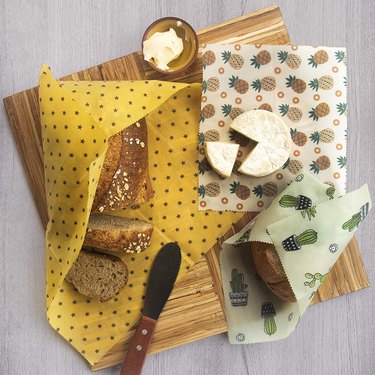
Create Less Waste With These Sustainable Kitchen Swaps
Chow Down
By
Megan McCarty
TikTok Is Obsessed With Aesthetic Ice Cubes—Make Your Own With These Trays and Molds
Chow Down
By
Eric Mohrman
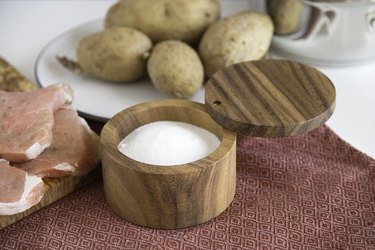
It's Time to Ditch Your Salt Shaker for a Salt Cellar
Chow Down
By
Spencer Hall
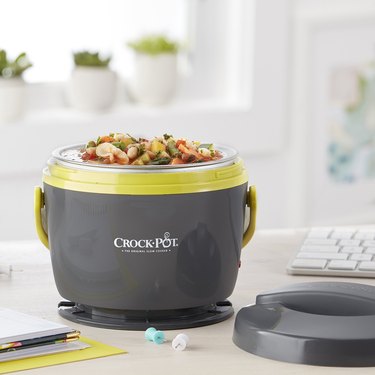
No Microwave? No Problem! These Electric Lunch Boxes Warm Up Your Food
Chow Down
By
Kathryn Walsh
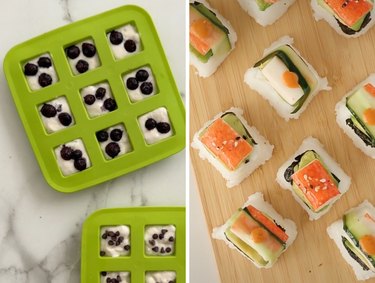
Sushi, Cheesecake & Other Unexpected Recipes You Can Make in an Ice Cube Tray
Chow Down
By
Eric Mohrman
10 Well-Curated Subscription Boxes for Foodies
Chow Down
By
Eric Mohrman
Brew Better Tasting Tea With This Space-Saving Smart Infuser
Chow Down
By
Fred Decker
Essential Tools for the Perfect Baked Ham
Chow Down
By
Eric Mohrman
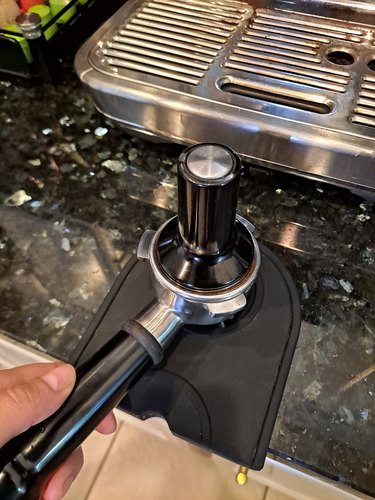
If You Own an Espresso Machine, You Need This $10 Tamper Mat
Chow Down
By
Kathryn Walsh
Easy Egg-Free Recipes From Social Media Foodies
Chow Down
By
Fred Decker
Low on Eggs? Consider These 10 Egg Substitutions
Chow Down
By
Fred Decker
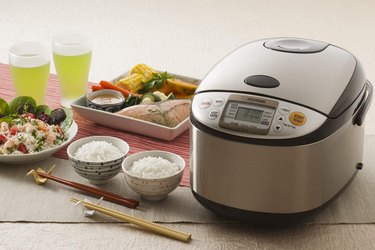
This Chef-Reviewed Rice Cooker Turns Out Perfect Grains Every Time
Chow Down
By
Anna Buckley
"Waffley" Wonderful Ways to Use a Waffle Iron (Thanks, TikTok!)
Chow Down
1
2
3
4
5
>
Report an Issue
Contact*:
Severity*:
High
Normal
Low
Description*:
Screenshot loading...
Cancel
Submit