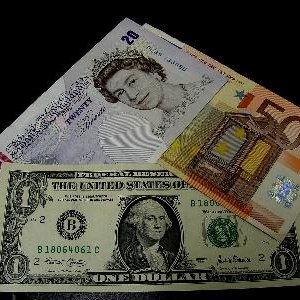


The foreign exchange (forex) market is the interbank market where institutions trade currencies. It is also accessible to retail investors through online dealers or brokers. The forex market has several pros and cons that investors and traders should be aware of. Knowing what’s involved with participating in the forex market will increase your chances of success.
Size
The foreign exchange market’s size gives it several advantages. The large number of participants provides liquidity, meaning currencies are easily bought or sold, and orders are typically filled right away. The size of the market also prevents any single entity from exercising too much control over the market. Large participants, such as central banks, may influence the market, but only for a short amount of time.
Accessibility
The forex market is open 24 hours a day, five days a week. Some brokers are even open on weekends. This allows for flexibility to trade when you want. Brokers require low opening deposits, offer low transaction costs and typically charge only the bid-ask spread per trade, which is the difference between the buying and selling price. Traders can also use leverage to trade a larger amount of money than they have in their account.
Trading Styles
The forex market accommodates different trading styles. Investors can buy long or sell short in the foreign exchange market without restrictions. Investors can participate in the forex market using futures, exchange-traded funds or options, or directly through a broker in the spot market. This caters to different investment objectives.
Loose Regulations
The forex market is an over-the-counter market with no central exchange. It is less regulated than other markets. Traders typically place trades directly with their broker, who takes the other side of the trade. The lack of a central exchange results in a lack of information on certain market statistics, such as trading volume, and creates a greater risk of mispricing.
Broker Risk
The loose regulation of online brokers increases the potential for fraud. Traders must research a broker carefully before opening an account. Funds deposited with a forex broker are typically not protected if the broker goes bankrupt. Any outages in a broker’s trading system could leave a trader unable to manage open trades.
Risk of Loss
There is the potential to lose all of your money. Using leverage to trade more money than is in your account magnifies the potential loss if the market moves against you. You may be responsible for losses greater than the funds in your account. Because currency prices are influenced by many factors, the amount of fundamental information to analyze is daunting.
References
- National Futures Association: Trading Forex -- What Investors Need to Know (PDF)
- Baby Pips: Advantages of Forex
- Swiss National Bank. "Press Release: Swiss National Bank Discontinues Minimum Exchange Rate and Lowers Interest Rate to –0.75%." Accessed April 23, 2020.
- Bank for International Settlements. "The Sterling 'Flash Event' of 7 October 2016." Accessed April 23, 2020.