Benefits of Phytosterols & Phytostanols

Benefits of Phytosterols & Phytostanols thumbnail
Two glasses of sterol-fortified juice daily can help reduce cholesterol.

Phytosterols and phytostanols, two similar compounds that occur naturally in plants, effectively lower cholesterol, specifically LDL cholesterol. According to the National Heart, Lung and Blood Institute, these beneficial compounds can reduce the risk for cardiovascular disease (CVD), a leading cause of death in the United States. Advancements in food technology make it easy to consume adequate phytosterols on a daily basis. Food manufacturers add these functional ingredients to a variety of everyday foods and beverages.

  1. Lower Cholesterol

    • Despite not knowing the exact mechanism of action, the National Cholesterol Education Program (NCEP) and the U.S. Food and Drug Administration support the evidence and claim that plant sterols lower cholesterol. Sterols block intestinal absorption of cholesterol-raising fats from food and from cholesterol made in the liver. A study from the Laboratory for Atherosclerosis and Metabolic Research at the University of California Davis, published in the "American Journal of Clinical Nutrition" (Oct. 2006), found that individuals with high cholesterol reduced total cholesterol by 5 percent, and LDL, or "bad" cholesterol, by 9.4 percent after just eight weeks of drinking a sterol-fortified orange juice beverage daily. Sterols do not effect HDL, or "good", cholesterol.

    Reduce Inflammation

    • Inflammation plays a role in the development of heart disease, specifically stroke and other cardiovascular diseases. C-reactive protein (CRP) in the blood reliably measures the degree of inflammation in the body: Elevated CRP translates into a greater risk for cardiovascular disease. Consumption of phytosterols daily for eight weeks can significantly reduce CRP and inflammation according to the U.C. Davis study.

    Fortified Foods

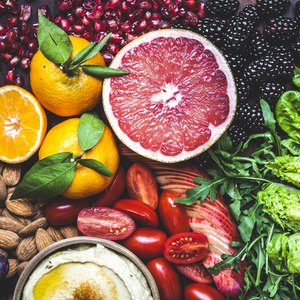
    • Food manufacturing companies first fortified margarine-type spreads with sterols in the year 2000, and the consumer market for these health-promoting foods continues to grow. Manufacturers fortify a variety of products including orange juice, yogurt, cheese, bread and milk. In lesser amounts, stanols and sterols exist naturally in fruits, vegetables, nuts and oils. Although these foods contain vital nutrients for a healthy diet, they do not provide enough sterols to meet the recommended dose to reduce cholesterol. For recommendations on the types and amounts of these foods to include in your diet, see the USDA's nutrition website MyPyramid.gov.

    Expert Insight

    • MayoClinic.com recommends eating at least 2 grams per day of plant sterols or stanols to achieve the beneficial effects on cholesterol. The amount of sterols in two 8-ounce glasses of fortified juice equals the 2-gram recommendation. Another way to reach the daily 2-gram dose includes using an alternative to butter fortified with sterols. This will not only help you reach your daily goal, but will also cut down on your intake of saturated fat.

    Considerations

    • The essential fat-soluble vitamins require fat for proper and complete absorption by the body. The reduced absorption of cholesterol resulting from sterol fortification theoretically may negatively impact the availability of these vitamins. The U.C. Davis study, however, found no adverse effects on absorption of the fat-soluble vitamins: vitamin E, beta- and alpha-carotene, lycopene and lutein. This leads the U.S. Food and Drug Administration and the National Institutes of Health to recommend consuming foods and beverages fortified with stanols as a safe and effective way to lower cholesterol.

Related Searches:

References

Resources

  • Photo Credit backlit orange juice image by sumos from Fotolia.com

You May Also Like

  • Benefit of Phytosterols & Phytostanols

    Phytosterols are naturally occurring chemicals found in all plant foods. Phytostanols are a subgroup of phytosterols. The difference between the two lies...

  • What Foods Are High in Plant Sterols?

    Plant sterols, also known as phytosterols, are healthy plant fats found naturally in fruits, vegetables, nuts and seeds. Manufacturers have received permission...

  • What Are the Benefits of Phytosterols?

    Phytosterols are plant fat. They are the naturally occurring compounds within plants that act as a catalyst for certain plant cell functions....

  • Lowering Triglycerides With Plant Sterols

    Lowering your triglycerides is an essential part of lowering your overall blood fat levels. Triglycerides, a type of fat, are similar to...

  • Foods Fortified With Plant Sterols or Stanols

    Foods Fortified With Plant Sterols or Stanols. Plant sterols are naturally occurring plant cells that help stop the absorption of bad cholesterol...

  • Sources of Plant Stanols & Sterols

    Sources of Plant Stanols & Sterols. Sterol and stanol esters are called phytosterols. Phytosterols occur naturally in plants and help block absorption...

  • Plant Sterols & Stanols in Cereals

    Plant sterols and stanols, also called phytosterols and phytostanols, are a group of compounds naturally occurring in the membranes of most plant...

  • The Best Ways to Cook Eggs for Nutritional Value

    Eggs can be part of a nutritious breakfast, provided they are cooked in a low fat method. Unfortunately, high fat foods, such...

  • Benefits of Phytosterol

    Phytosterols are plant-based compounds similar in structure to cholesterol. Many Americans do not get enough phytosterols because a typical Western diet is...

  • Sources of Plant Sterols

    Sources of Plant Sterols. Plant sterols are components of plant membranes found naturally in nuts, legumes, fruits, vegetables and grains. Sterols have...

  • What Are Phytosterols?

    Phytosterols, also known as plant sterols, are a class of compounds found in all plants. These compounds are structurally similar to cholesterol...

  • Emulsifier vs. Juicer

    According to the U.S. Department of Agriculture, adults need between 2 1/2 to 6 1/2 cups of vegetables and fruit daily. Regularly...

  • Daily Requirements for Fruit & Vegetable Products

    For our bodies to work in the proper way, we need to consume the right amount of fruits and vegetables. The United...

  • Plant Oils Containing Sterols

    Plant Oils Containing Sterols. Plant oils containing sterols (phytosterols) are the oils in vegetables, nuts and legumes. In people, phytosterols are necessary...

  • Sources of Phytosterols

    Phytosterols, also called plant sterols, are compounds that are present in the cell membranes of plants. Similar to cholesterol in molecular structure,...

  • Mangosteen Juice Benefits

    The mangosteen is a tropical fruit that is not related to the mango, contrary to its name. When consumers buy juice from...

  • List of Iron-Fortified Foods

    List of Iron-Fortified Foods. Iron-fortified foods have added amounts of the essential mineral iron. To combat iron deficiencies in diets around the...

Related Ads

Featured